The Physics of Degradation: How Coastal Elements Threaten Bulk Inventory
High-humidity and coastal environments present a harsh combination of salt fog, ambient moisture, and UV radiation. For international outdoor furniture brands and distributors, these elements accelerate product degradation, leading to premature structural failures and a surge in retail returns if inventory lacks precise engineering and proper maintenance.
In marine atmospheres, high concentrations of airborne sodium chloride deposits form an electrolytic film on metal surfaces. This accelerates galvanic and atmospheric corrosion, converting solid metal into iron oxide or aluminum oxide. Concurrently, ambient relative humidity exceeding 70% creates a breeding ground for mildew on synthetic textiles, weakening the tensile strength of the fibers over time. Understanding the exact mechanical and chemical impact on different materials is essential for maintaining product longevity and protecting retail brand reputation.
Structural Integrity Challenges of Steel vs. Aluminum
When analyzing frame longevity in coastal deployments, material composition dictates the failure mechanism. Standard carbon steel lacks inherent corrosion resistance; once its protective surface layer is compromised, oxidation propagates rapidly beneath the surface, leading to structural failure.
In contrast, structural aluminum alloys, such as 6076 or 7075 aluminum alloy, form a natural, microscopic aluminum oxide layer that resists further atmospheric penetration. However, raw aluminum remains vulnerable to pitting corrosion when exposed to continuous salt spray without specific architectural coatings.
Textile Degradation and Fabric Weakening
The combination of ambient moisture and solar radiation triggers photo-oxidation in low-grade fabrics. Polyurethane (PU) coatings applied to the underside of 600D Oxford fabric can undergo hydrolysis under sustained humidity, causing the waterproof barrier to peel and lose elasticity. Without antimicrobial additives, moisture trapped within the weave promotes mold spore colonization, which destroys the aesthetic value and degrades the physical load capacity of the textile.
Polymer Embrittlement in Joint Assemblies
Plastic components, primarily structural joints constructed from Nylon 66 (PA66) or high-density polyethylene (HDPE), absorb microscopic amounts of moisture in high-humidity zones. While minor moisture absorption can occasionally increase flexibility, continuous exposure to coastal UV rays breaks down the polymer chains, leading to embrittlement, stress cracking, and eventual catastrophic failure at primary pivot points.
Maintenance Protocols for Coastal Seating Categories
Seating solutions designed for marine applications require rigorous maintenance protocols due to their direct exposure to high-salinity sand and shifting moisture levels.
Deep Cleaning Protocols for Beach Chairs and Fishing Stools

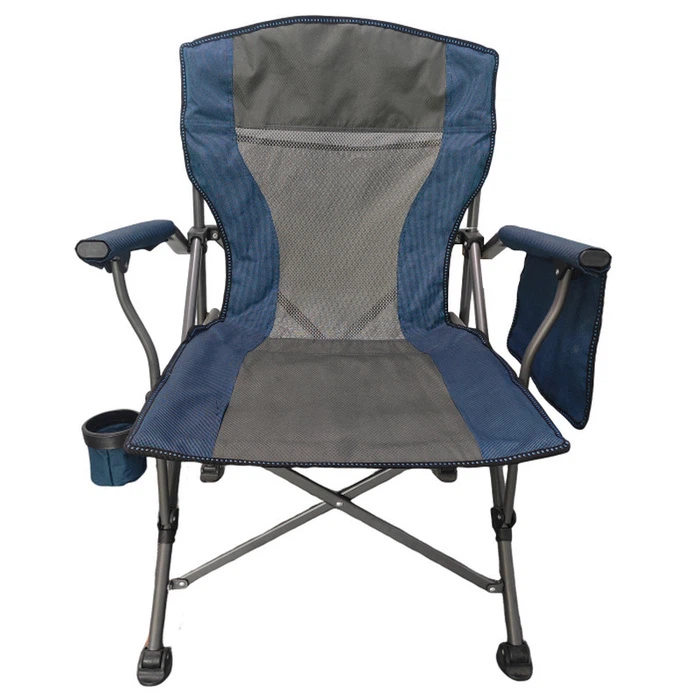
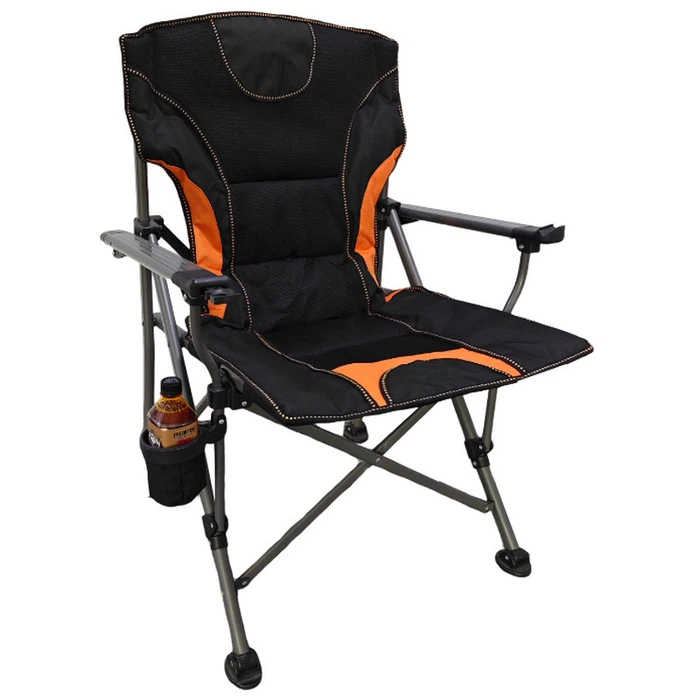
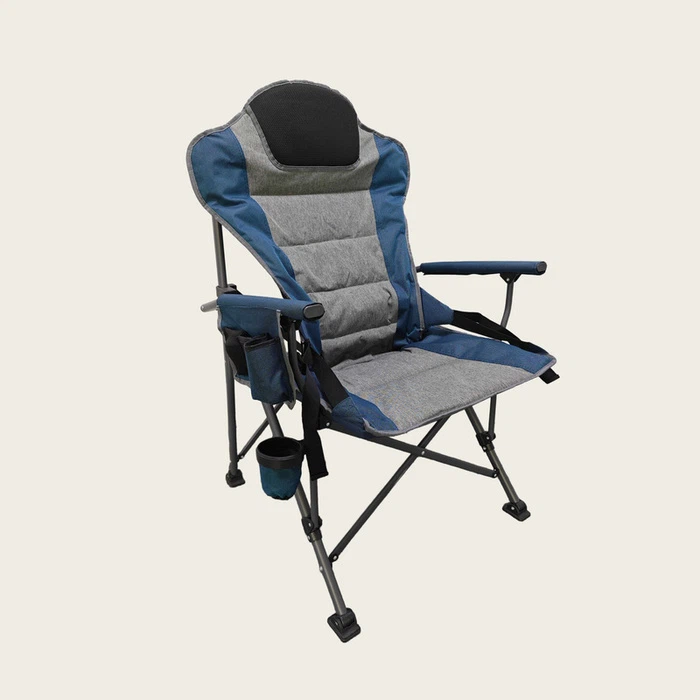
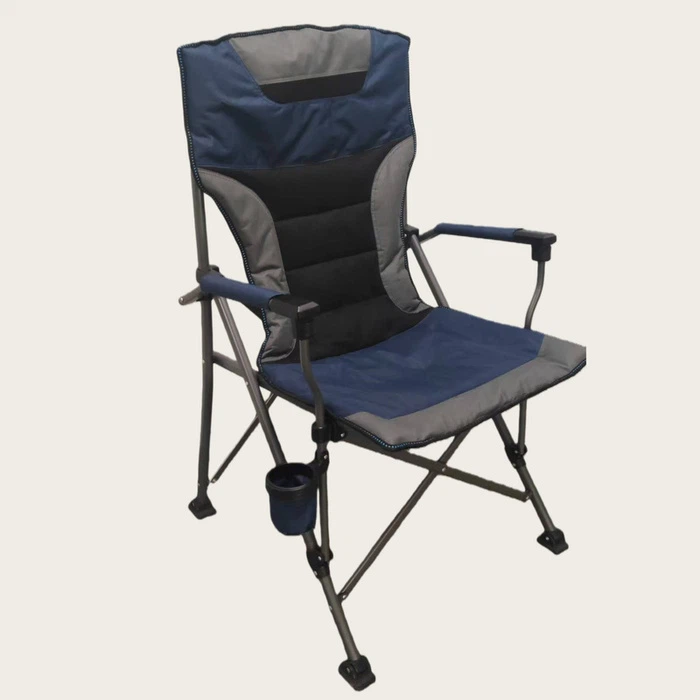
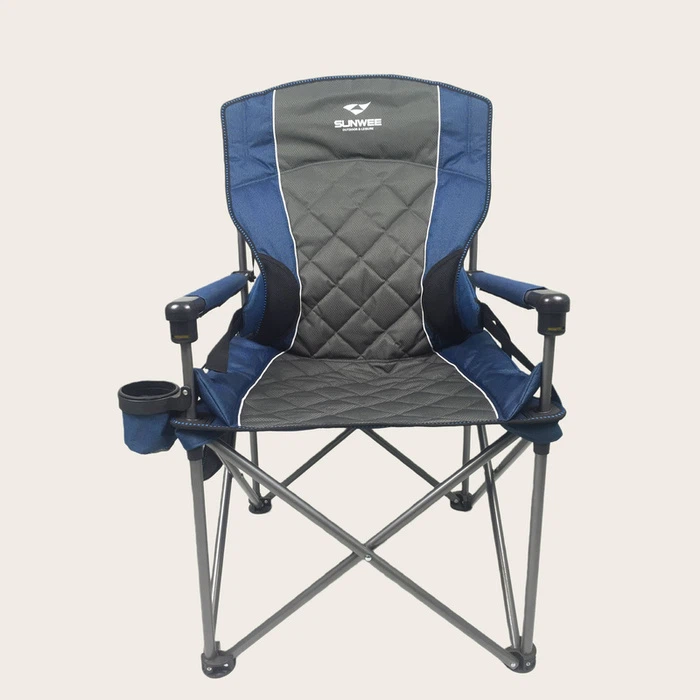
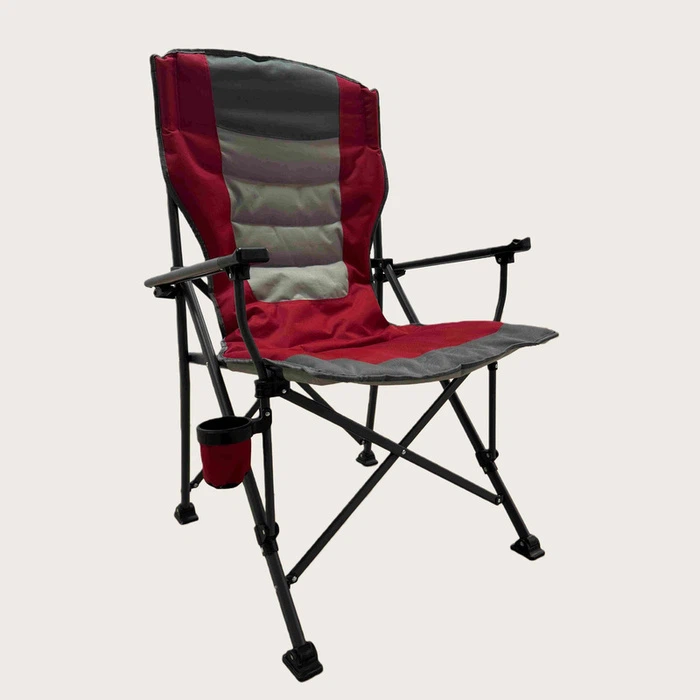
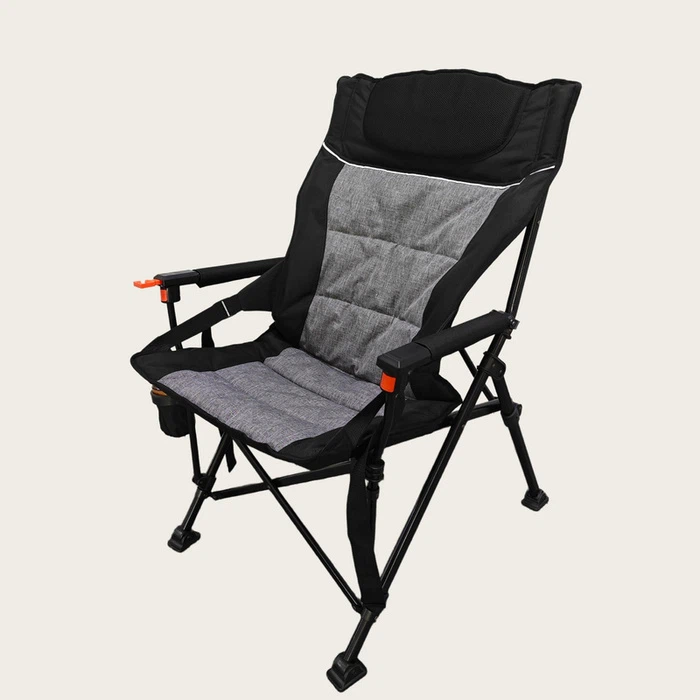
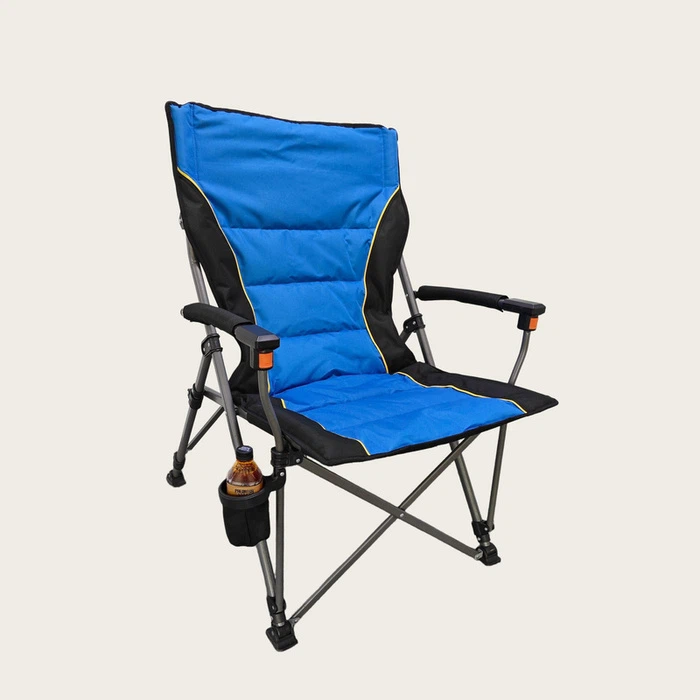
To prevent structural seizing and fabric deterioration, beach chairs and heavy-duty fishing stools require a systematic post-exposure cleaning regimen to eliminate microscopic salt crystals and abrasive quartz sand particles.
Dry Particulate Removal: Use a stiff-bristled nylon brush to clear all sand deposits from the interlocking joints, rivets, and fabric seams. Sand acting as an abrasive will quickly wear down protective powder coatings during folding operations.
Salinity Neutralization: Thoroughly rinse the entire frame and fabric assembly with low-pressure fresh water. High-pressure washing must be avoided, as it forces moisture past protective rubber gaskets and deep into internal tube cavities.
Chemical Detergent Application: Clean contaminated fabric sections with a 3% solution of mild non-ionic surfactant mixed in lukewarm water. Apply via a soft microfiber cloth to avoid stripping the durable water repellent (DWR) finish.
Air Drying Parameters: Elevate the furniture items in an inverted position within a well-ventilated, shaded zone until completely dry. Never compress or store the frames while damp.
Preventing Corrosion on Powder-Coated Steel Frames
For procurement teams choosing steel frames due to cost-efficiency and high weight capacities, maintaining coating integrity is the primary defense against structural degradation.
Implementing Anti-Scratched Maintenance
The protective barrier on steel frames typically consists of an electrostatically applied thermosetting polyester powder coating. If this layer is scratched or gouged during logistics or field deployment, the underlying raw steel is immediately exposed to atmospheric oxygen and moisture.
To mitigate this risk, warehouses and rental fleet operators must inspect frames for micro-abrasions after every deployment cycle. Microscopic fractures should be treated promptly with a specialized zinc-rich touch-up primer followed by an exterior-grade acrylic topcoat to seal the breach and arrest sub-surface rust migration.
|
Frame Material & Treatment |
Salt Spray Test Rating (ASTM B117) |
Optimal Environment |
Primary Maintenance Vulnerability |
|
Standard Powder-Coated Steel |
240 Hours |
Inland / Low Humidity |
Scratch-induced sub-film rust propagation |
|
Dual-Layer E-Coated Steel |
500 Hours |
Coastal / Humid |
Deep mechanical gouges past the E-coat layer |
|
Anodized 7075 Aluminum |
1000+ Hours |
Marine / Extreme Salinity |
Pitting corrosion from prolonged salt-crust accumulation |
Moisture Management During Folding Table Storage
Large surfaces like those on a folding table present distinct risks in high-humidity storage. Trapped moisture can rapidly destroy both structural rigidity and functional mechanisms.
Drying Protocols for Roll-Up Tops and Carry Bags

Before entering mid-to-long-term warehouse storage, camping tables with aluminum roll-up tops or engineered composite slats must undergo strict moisture elimination procedures.
- Sub-Slat Inspection: Moisture frequently accumulates via capillary action within the hollow channels of extruded aluminum table slats. Each slat assembly must be unrolled and dried with industrial air movers.
- Elastic Shock-Cord Preservation: Internal elastic structural cords used in roll-up designs lose tensile memory if stored wet. Ensure cords are fully relaxed and moisture-free to prevent internal rubber rot.
- Carry Bag Dehumidification: Heavy-duty storage bags made from PVC-backed materials trap humidity internally. Bags must be turned inside out and dried to a moisture content level below 12% before accepting the dried furniture components.
Retailer Framework: Deploying Coastal Care Manuals
To minimize downstream consumer complaints and protect brand equity, international outdoor retailers should integrate localized care instructions directly into their product delivery systems.
Structured Consumer Guidelines for Coastal Distribution
Retailers can reduce return rates by printing explicit care requirements on product hangtags and inner packaging materials. These inserts should clearly detail the risks of leaving equipment outdoors overnight in coastal zones, where dew points accelerate salt deposition.
Providing practical instructions on basic maintenance-such as a simple freshwater rinse after beach use-helps set clear expectations for product longevity and shifts operational responsibility back to standard consumer care protocols.
Our internal Quality Control teams at Sunwee consistently document that clear consumer communication regarding environmental limitations reduces unjustified warranty claims by up to 34%.
Mitigating After-Sales Claims via Manufacturing Upgrades
For large-scale importers, structural longevity starts at the factory level. Selecting the correct technical specifications during the product engineering stage minimizes future warranty claims.
Strategic OEM Upgrades for High-Humidity Operations

When utilizing our comprehensive OEM & ODM Service, distributors can request specific hardware enhancements tailored for high-salinity zones:
Fastener Upgrades: Replace zinc-plated carbon steel rivets and bolts with SUS304 or SUS316 stainless steel fasteners to prevent galvanic corrosion at critical pivot joints.
Drainage Channels: Incorporate dedicated laser-cut weep holes at the lowest radii of tubular metal frames, allowing internally condensed moisture to escape freely rather than pooling inside the tubes.
Advanced Coatings: Request a dual-layer coating process consisting of an electrophoretic prime coat (E-coat) followed by a high-durability polyester powder topcoat, effectively doubling the frame's salt-spray lifetime.
Trait-Based Dynamic FAQ
Q: What specific wall thickness does Sunwee use on steel frames to resist rust failure in coastal areas?
A: Our heavy-duty steel frames utilize cold-rolled steel tubing with a minimum wall thickness of 1.2mm, combined with an internal anti-oxidation wash and a external minimum 80-micron polyester powder coating to prevent localized rust perforation.
Q: What is the exact waterproof and mildew rating of the 600D Oxford fabric used under humid conditions?
A: Our premium 600D Oxford fabric undergoes a specialized polyurethane (PU) coating process yielding a hydrostatic head rating of ≥2000mm. It is treated with an antimicrobial solution during yarn spinning, achieving a Class 1 rating against mold growth under continuous humidity.
Q: How do Sunwee table hinges prevent binding caused by salt-air crystallization?
A: Our premium camping tables incorporate self-lubricating nylon washers between metal-to-metal hinge contact points. This structural tolerance prevents salt crust accumulation from binding moving parts, maintaining fluid folding action even after extended marine deployment.