Technical Barriers to Entry: Navigating EU Compliance for Outdoor Furniture

European importers face tightening regulatory frameworks regarding consumer goods. When sourcing outdoor gear, understanding the difference between standard manufacturing and specialized compliance separates profitable enterprises from those facing costly customs seizures. For global procurement directors, choosing an EU compliant camping furniture supplier is not a matter of brand preference-it is a mandatory risk-mitigation strategy.
Fujian Sunwee Outdoor Co., Ltd. has manufactured heavy-duty outdoor gear since 1997. Operating a 30,000-square-meter facility with certified ISO9001 and BSCI protocols, we build structural components and source textiles that satisfy stringent European testing parameters. Navigating these requirements means evaluating more than just the initial production costs; smart procurement teams know Why European Importers Cannot Solely Rely on FOB Prices because post-import non-compliance fines, custom clearance delays, and product recalls drastically alter the total cost of ownership
Deciphering the Regulatory Framework: GPSR, Materials, and Certifications
The Impact of General Product Safety Regulation (GPSR)
Entering the European market requires adherence to the General Product Safety Regulation (GPSR). This framework shifts accountability onto both the manufacturer and the importer. It demands clear documentation regarding GPSR Requirements for Consumer Product Safety, Risk Assessment, Responsible Persons, and Traceability. Every product batch must be traceable back to its raw material source to verify structural integrity and chemical safety.
Material Testing and Chemical Restrictions
To pass European customs, materials must clear rigorous chemical screenings. Cheap outdoor furniture often utilizes recycled plastics or unverified fabric coatings containing banned levels of phthalates, heavy metals, or hazardous fire retardants.
Our engineering team works exclusively with verified raw materials, providing transparent access to Testing Documentation for Fabrics, Coatings, and Plastic Components. For the European market, we implement specific material compositions:
- Textiles: High-density 600D Oxford fabric featuring Polyurethane (PU) backing instead of hazardous PVC coatings, fulfilling REACH regulations.
- Structural Tubing: Premium 7075 aluminum alloy or high-tensile steel treated with specialized powder-coated rust-resistant finish that contains zero volatile organic compounds (VOCs).
- Plastic Joints: Virgin Nylon (PA66) instead of brittle recycled polypropylene (PP), ensuring structural performance down to -20°C.
Factory Audits and Verification Documents
Third-party verification acts as the foundational proof of compliance. Importers must rely on established manufacturing standards to clear risk assessments. The strategic value of utilizing The Role of BSCI, ISO, SGS, and TÜV in Building Buyer Trust remains a critical differentiator during customs audits and large-scale retail tender submissions. Sunwee maintains valid, yearly renewed BSCI audit reports and structural certifications via TÜV and SGS.
Structural Engineering and Testing for EU-Compliant Camping Chairs
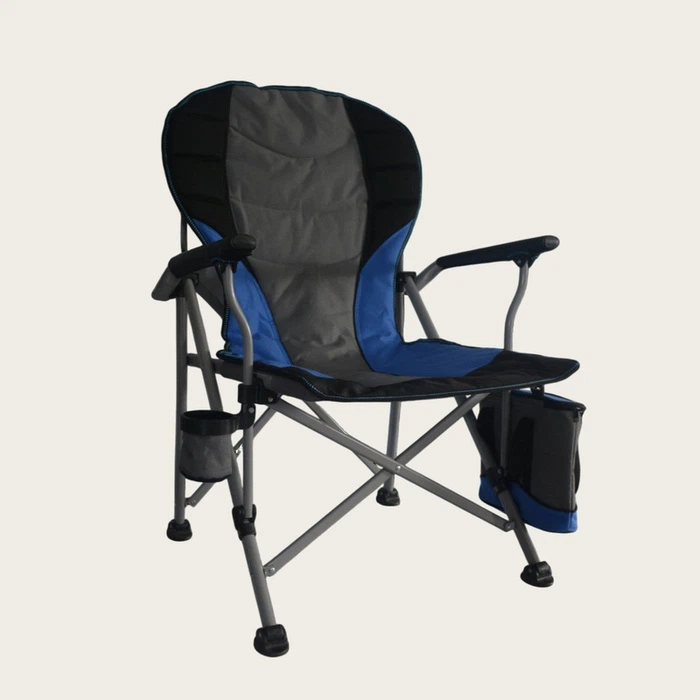
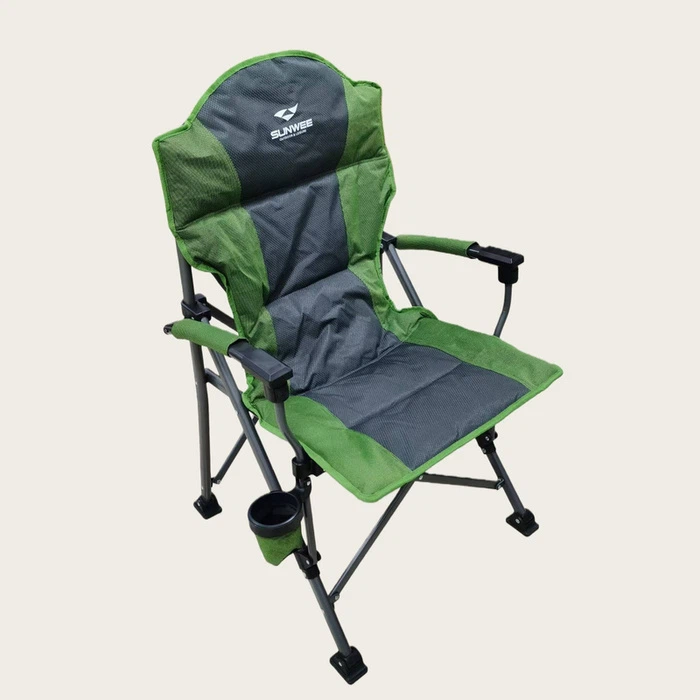
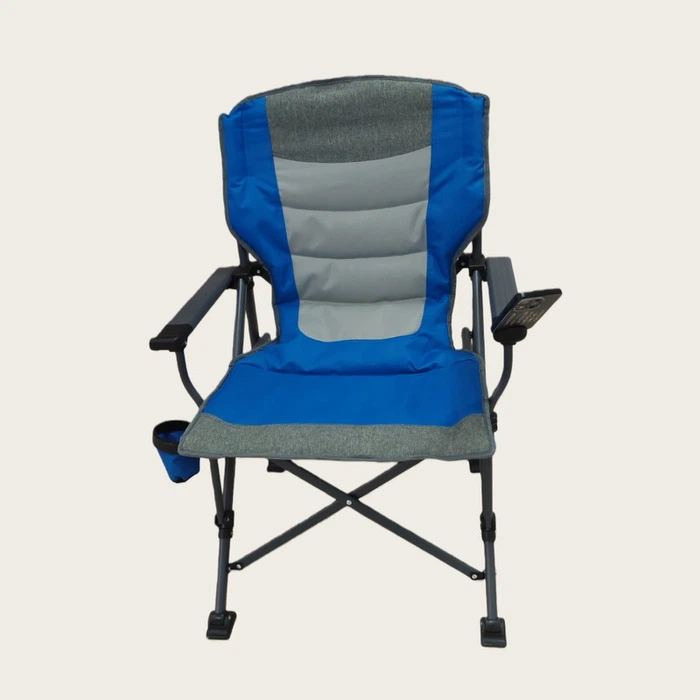
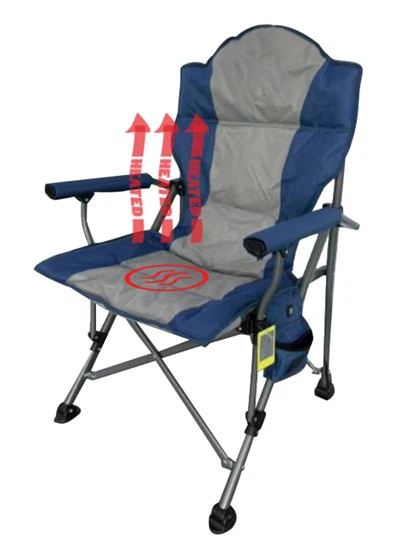
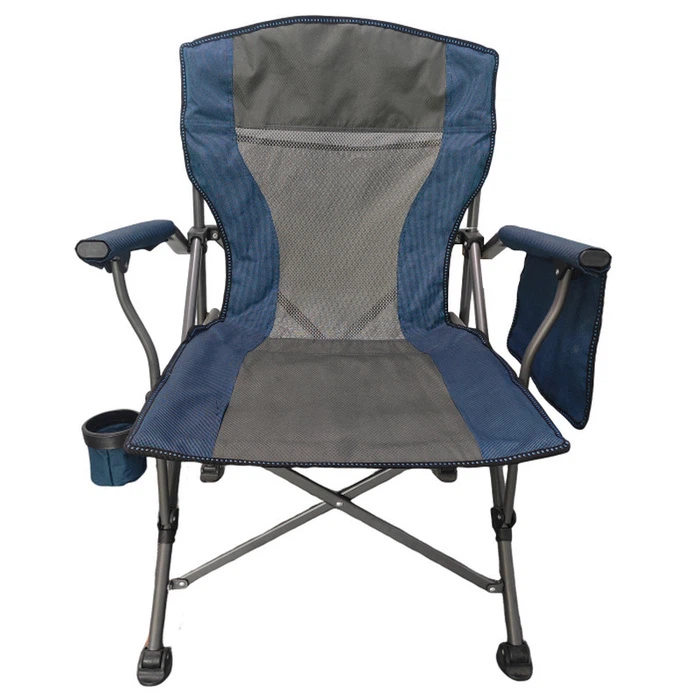
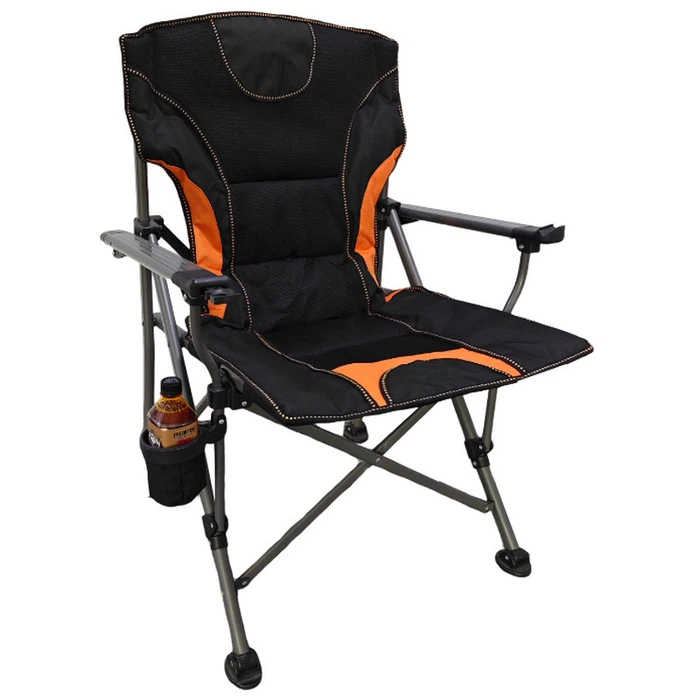
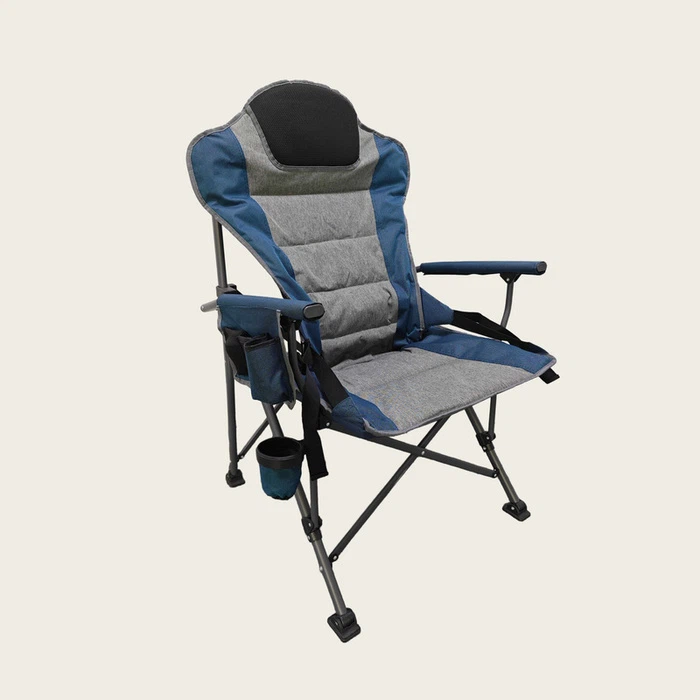
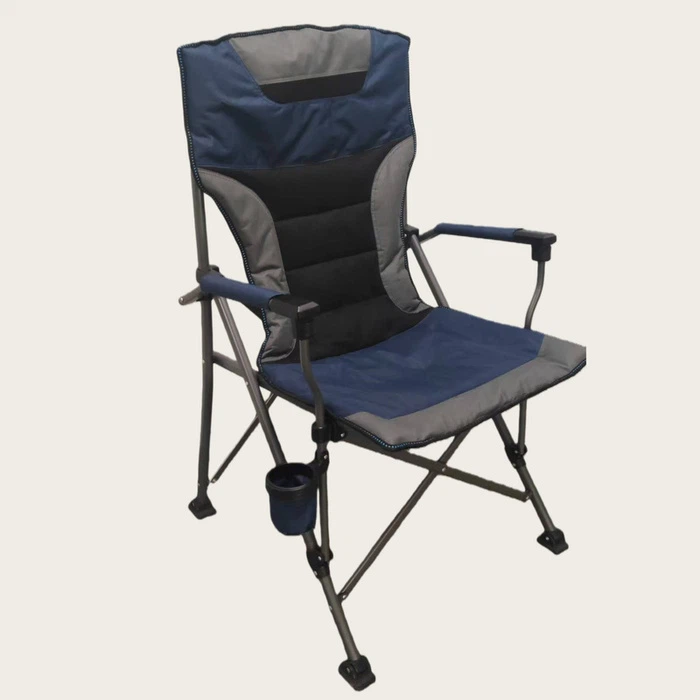
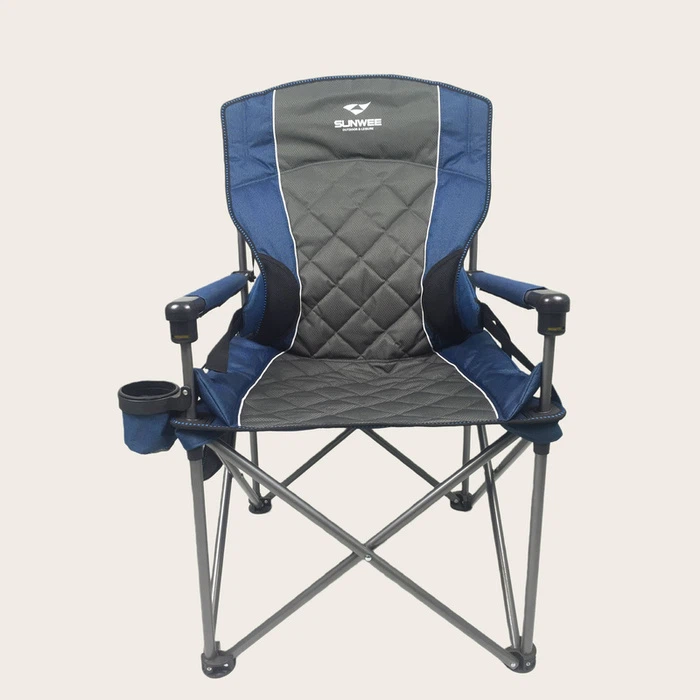
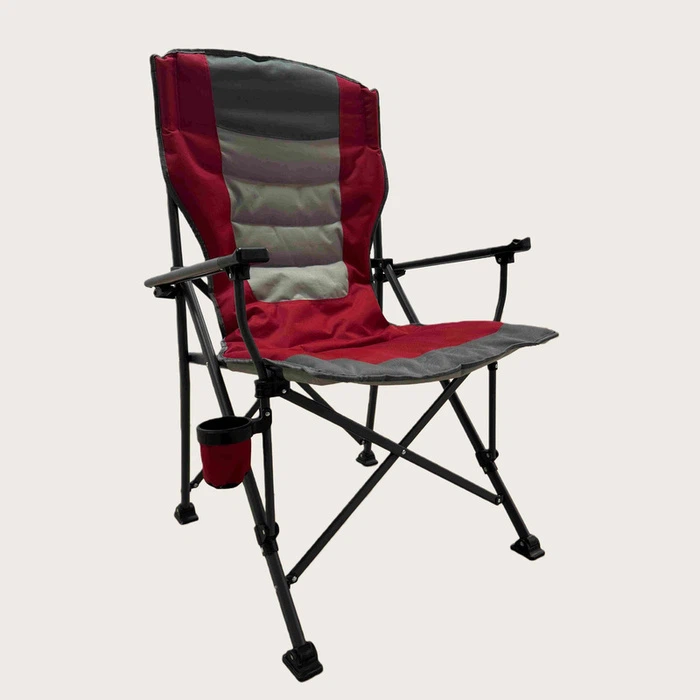
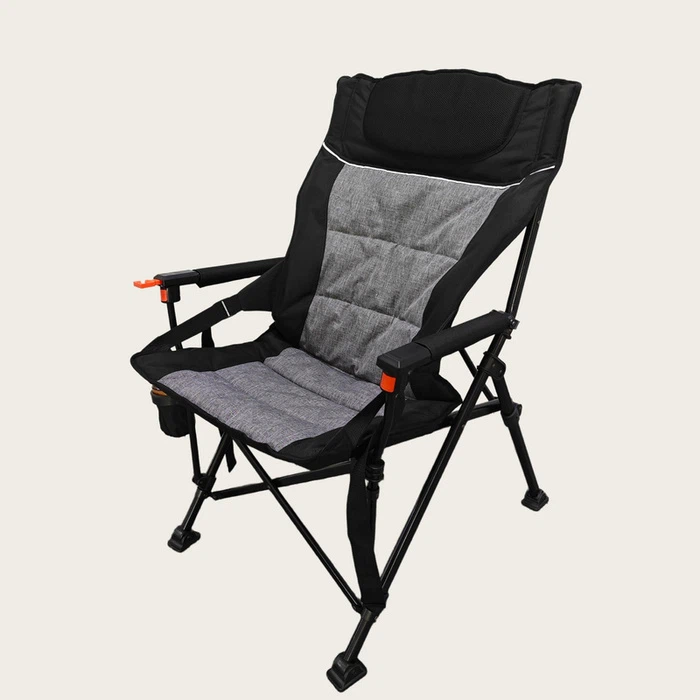
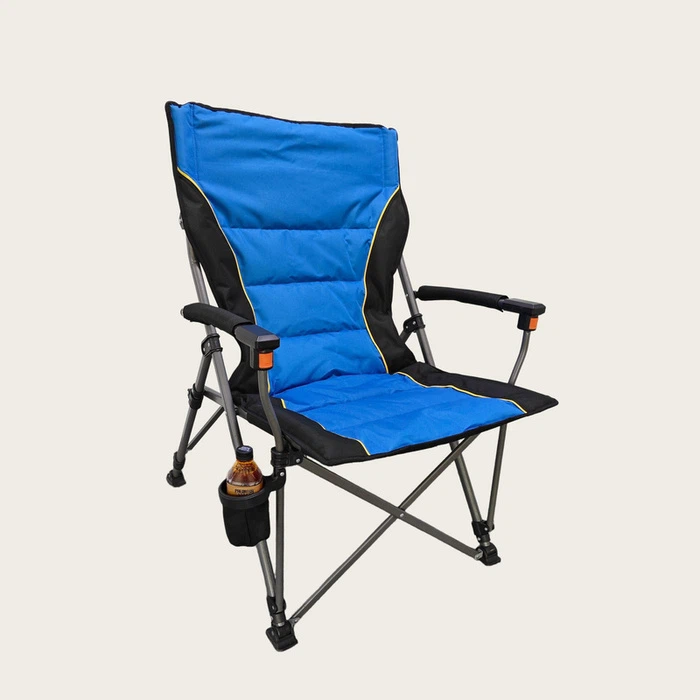
A compliant camping chair supplier for EU importers must design products that withstand specific mechanical stress tests outlined under EN 581-1 and EN 581-2. These standards govern general safety requirements, mechanical safety, and stability for outdoor seating.
Load Capacity and Stress Distribution
Standard retail camping chairs often fail under uneven load distributions. Our European-spec camping chairs utilize an X-frame structural footprint with reinforced cross-braces. By selecting high-tensile 7075 aluminum alloy frames or engineered 22mm diameter steel tubing with a 1.2mm wall thickness, these frames reliably manage a weight capacity of 300lbs (136kg) under dynamic testing conditions.
|
Structural Component |
Standard Market Specification |
Sunwee EU-Compliant Specification |
Testing Protocol / Compliance |
|
Tubing Material |
Recycled Steel (0.8mm wall) |
7075 Aluminum / Virgin Steel (1.2mm wall) |
EN 581-2 Mechanical Safety |
|
Fabric Grade |
400D Polyester with PVC coating |
600D Oxford fabric with eco-friendly PU layer |
REACH Annex XVII (Phthalates) |
|
Connector Joints |
Recycled PP Plastic |
Virgin PA66 Nylon Engineering Plastic |
Low-temperature Impact Test |
|
Surface Finish |
Basic liquid paint |
Powder-coated rust-resistant finish |
72-Hour Salt Spray Testing |
|
Static Load Rating |
200 lbs (90 kg) |
300 lbs (136 kg) |
EN 581 Seating Static Load Test |
Ergonomic Performance and Safety Cleanliness
To satisfy European safety criteria, our product engineering emphasizes an ergonomic design that prevents finger-entrapment or shearing hazards during setup and breakdown. Frame clearance gaps are precision-engineered to remain outside the critical 5mm to 12mm hazard zone defined by EU safety boards.
Compliance Requirements for Folding Camping Tables
Much like seating, folding camping tables are subject to the EN 581-1 and EN 581-3 structural standards. These regulations dictate that tables must resist tipping when vertical loads are applied to the outer perimeter, and must remain rigid under full operational capacity.
Deflection and Stability Controls
A compliant camping furniture manufacturer Europe distributors can rely on must account for surface stability. Our tables utilize an interlocking roll-top aluminum slat design or high-density blow-molded tops with a perimeter locking frame. When a downward force of 30kg is applied to the outermost edge of our aluminum roll-top tables, deflection remains well under the maximum permissible limits mandated by European retail standards.
Specialized Traceability Labeling
Compliance goes beyond material strength; it involves explicit product identification. Physical shipments arriving at European ports must feature correct packaging, warning assets, and product identifying markers. Importers must confirm their manufacturer properly applies Product Labels, Instruction Manuals, Warnings, and Batch Numbers to ensure the merchandise can be tracked or recalled under GPSR guidelines if necessary.
Tailored OEM & ODM Capabilities for European Brands
As an established source factory, Sunwee provides fully integrated OEM and ODM pathways optimized for the specific requirements of European private labels. Our Senior Product Engineers convert your technical conceptualizations into scalable, fully compliant production runs.
- Custom Tooling & CNC Prototyping: We build specialized molds in-house, optimizing wall thickness and bracing geometry to guarantee your proprietary designs clear TÜV/SGS structural testing on the first pass.
- Tech Pack Optimization: Our engineers review your initial material specifications, suggesting high-performance alternatives (such as replacing non-compliant PVC backings with advanced PU alternatives) without losing the target visual layout.
- Logistics & Loading Efficiency: We optimize packaging layouts to improve container utilization. By minimizing individual carton CBM (Cubic Meters), we reduce total ocean freight costs per unit, balancing overall procurement expenses.
FAQ
Q: What specific mechanical test does Sunwee use to verify the EN 581 weight capacity rating for camping chairs?
A: We subject our chairs to an internal fatigue test rig that applies a 1,300 Newton (approx. 300 lbs) static downward force to the seat center for 50,000 continuous cycles, paired with a 400 Newton backrest durability test to meet EN 581-2 standards.
Q: How does your factory guarantee that the powder-coated finish prevents rust under humid European coastal conditions?
A: Our steel and aluminum components undergo a multi-stage chemical pre-treatment before a specialized thermoplastic powder coating is electrostatically applied. Samples from every batch undergo a 72-hour salt spray test to ensure zero corrosion formation.
Q: Do the plastic hinge components on Sunwee tables hold up against cold-weather embrittlement during late-season camping?
A: Yes. We formulate our joint brackets using impact-modified Virgin PA66 Nylon. Unlike cheaper recycled PP plastics that fracture in cold environments, our components are lab-tested to maintain elasticity and structural rating down to -20°C.