Technical Structural Differences Between Standard and Heavy-Duty Camping Chairs
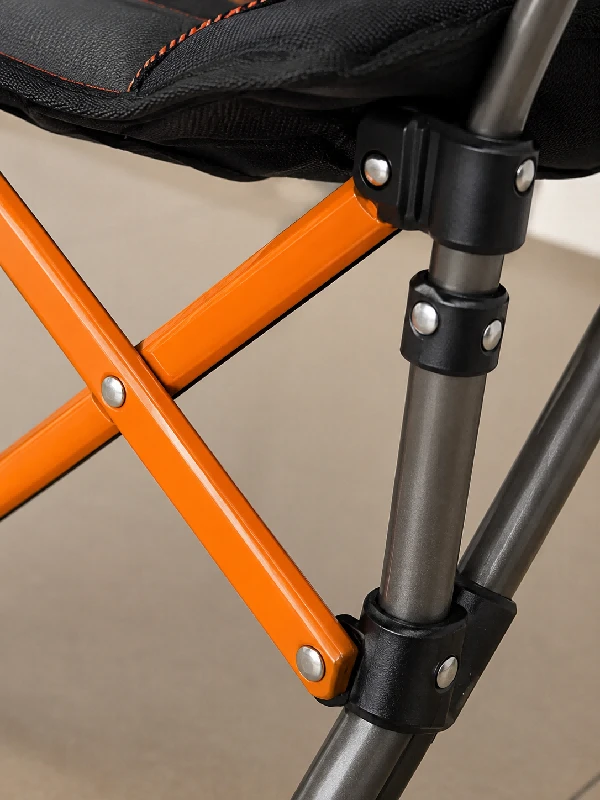
For global outdoor furniture retailers, bulk buyers, and procurement officers, selecting the right product tier directly affects both brand reputation and profit margins. Understanding the mechanical and structural distinctions between standard leisure models and high-weight-capacity options is essential when managing a commercial inventory.
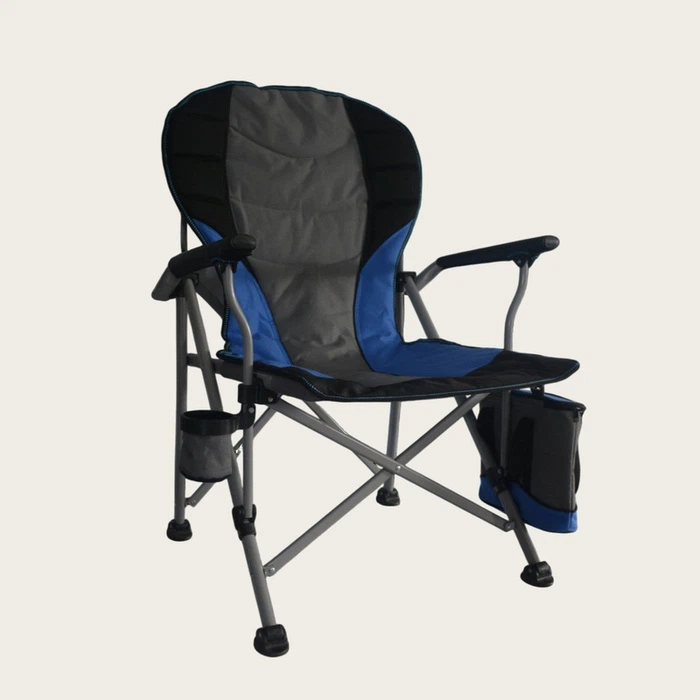
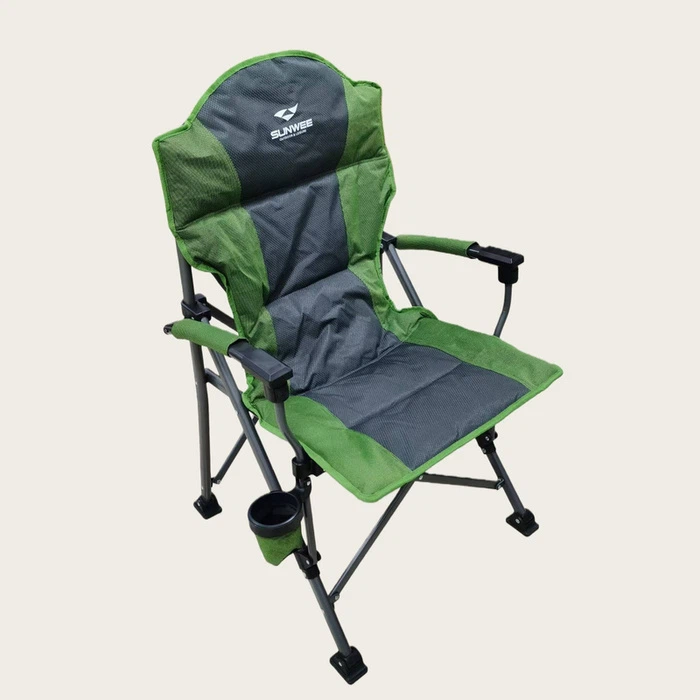
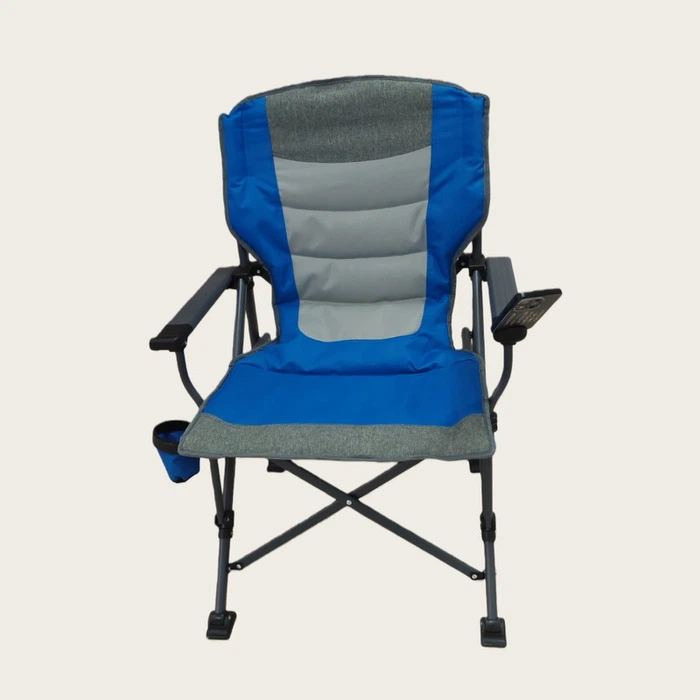
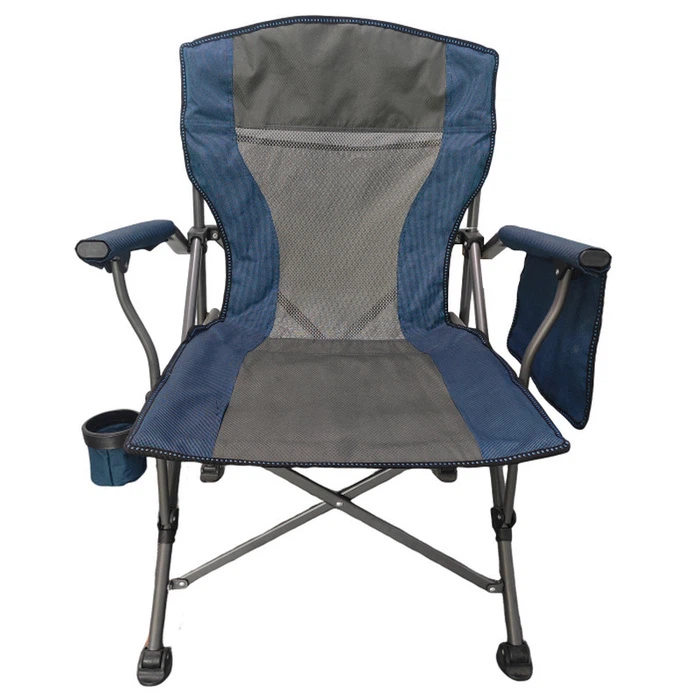
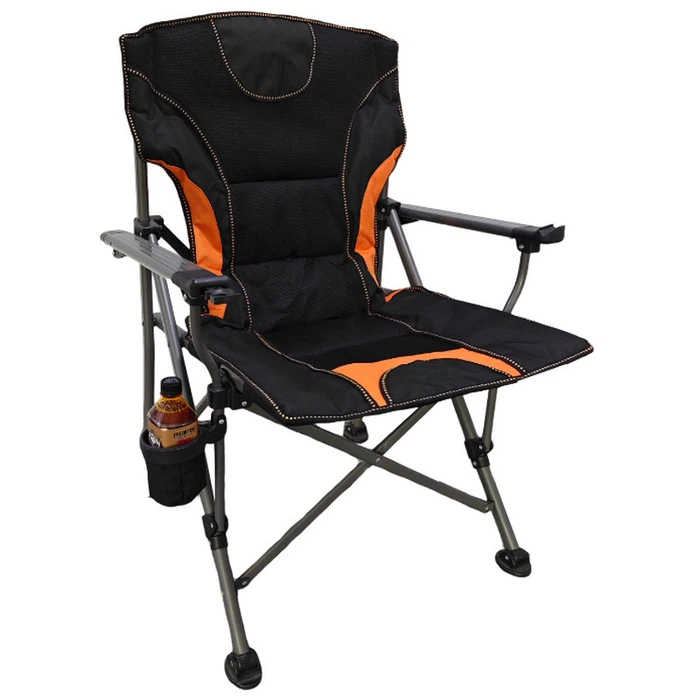
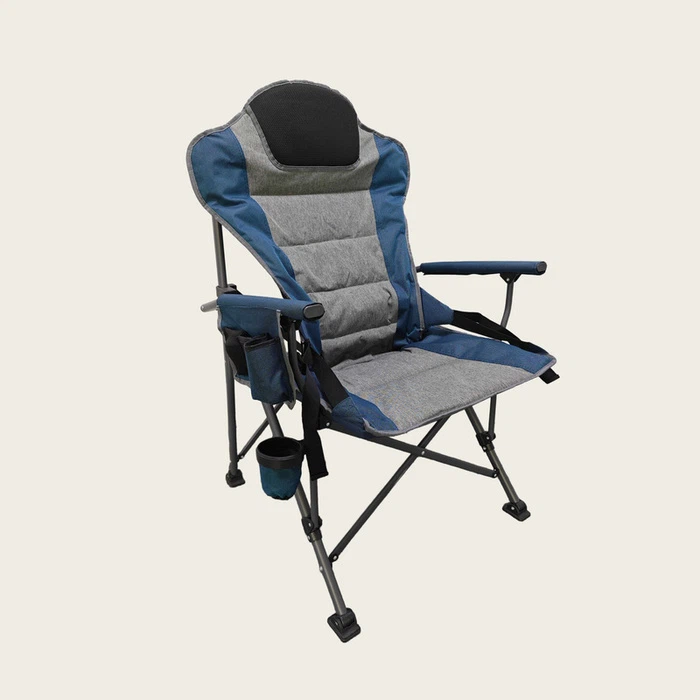
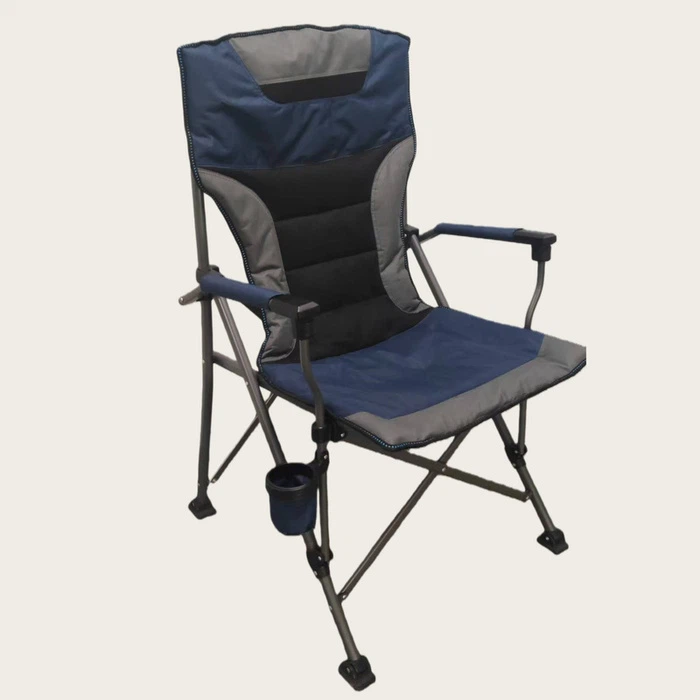
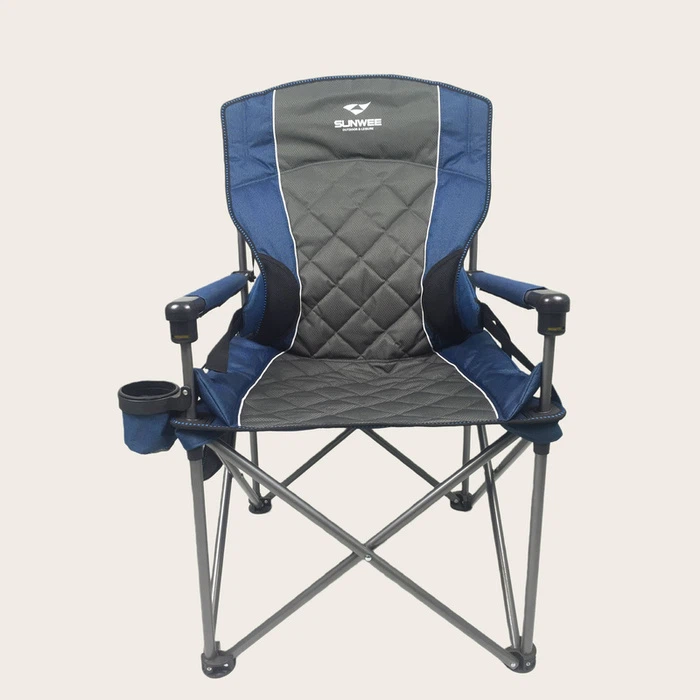
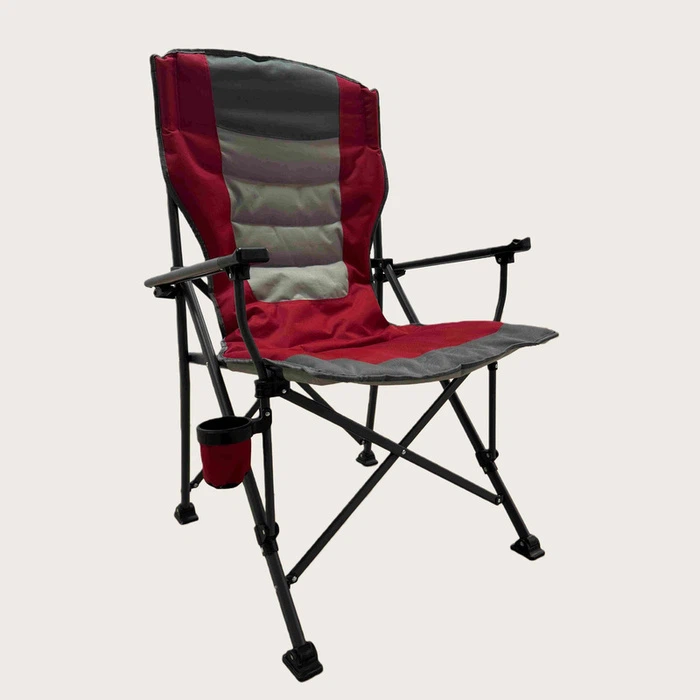
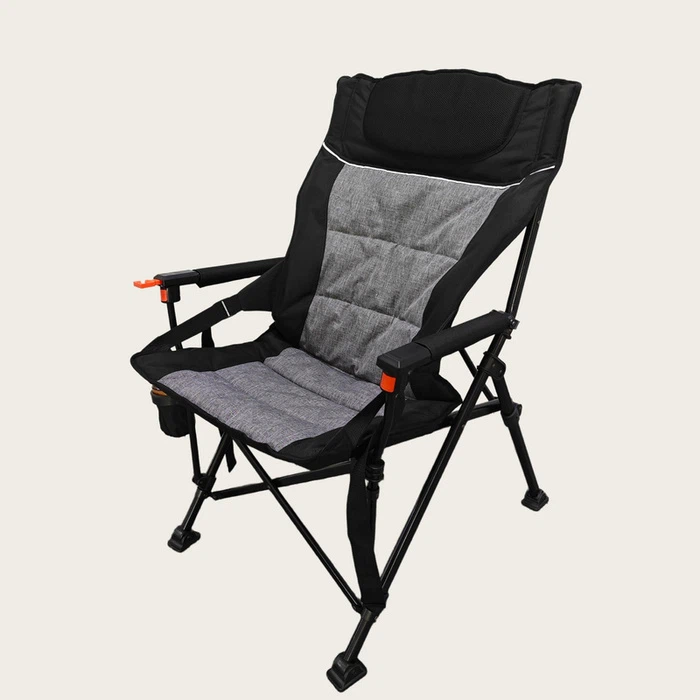
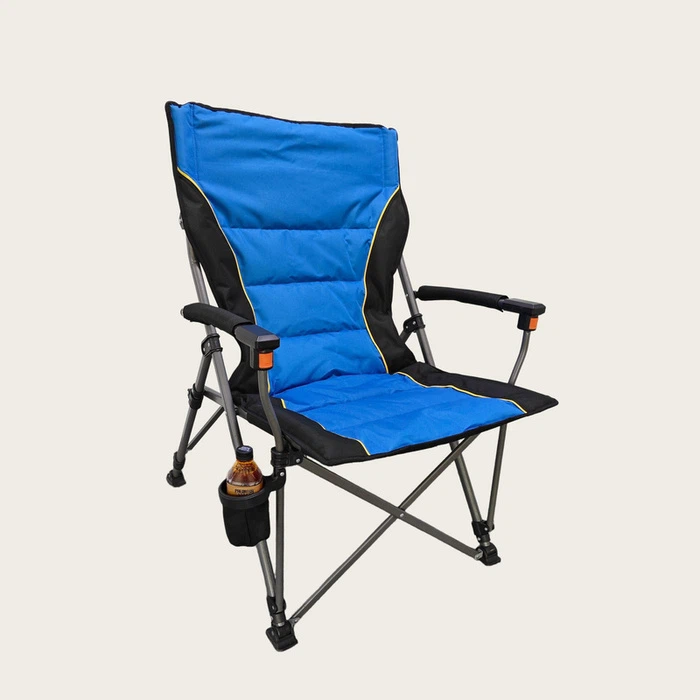
Standard options typically cater to casual users, prioritising lightweight portability and price-point efficiency for volume distribution. Conversely, a engineering-focused heavy duty camping chair manufacturer constructs seating to withstand repeated mechanical stress, high load capacities, and harsh environmental exposure. The primary differences lie in frame geometry, joint reinforcement, and material cross-sections. Standard frames often utilize basic scissor-style hinges, whereas heavy-duty variations incorporate cross-braced stabilizer bars and reinforced anchoring feet to distribute downward force evenly across uneven terrain.
Metallurgy and Material Engineering: Wall Thickness, Diameters, and Fabric Denier
The structural integrity of commercial outdoor seating depends entirely on the technical specifications of the raw materials used during manufacturing. A standard camping chair supplier frequently utilizes thin-walled steel tubing to control production costs and finished weight, which restricts long-term durability.
Tubing Geometry and Alloy Specs
Load capacity is dictated by tube diameter and wall thickness. Standard chairs generally feature steel or basic aluminium tubing with a diameter of 13mm to 16mm and a wall thickness of 0.6mm to 0.8mm. Professional-grade heavy-duty models utilize premium steel or 7075 aluminium alloy with tube diameters ranging from 19mm to 22mm and a minimum wall thickness of 1.0mm to 1.2mm. This increase in wall thickness prevents structural buckling under high-impact loading.
Bracket and Bracket Rivet Engineering
Hardware connections represent the most common point of mechanical failure. High-weight-capacity seating replaces molded plastic brackets with heavy-duty PA66 nylon or powder-coated steel brackets. Rivets are upgraded from standard 4mm hollow aluminum to solid 6mm high-tensile steel rivets that are hydraulically pressed to eliminate structural shifting.
Textile Tensile Strength
Fabric durability is measured by Denier count and backing material. Standard chairs often feature 300D or 400D polyester with a thin PVC backing, which is susceptible to stretching and seam tearing over time. Industrial-grade seating utilizes 600D to 1200D double-layered Oxford fabric reinforced with a heavy-duty PVC or PU coating for water resistance. Critical stress regions around the corner pockets feature triple-layer webbing reinforcement and double-stitched heavy-duty nylon threads.
|
Engineering Parameter |
Standard Camping Chair |
Heavy-Duty Camping Chair |
|
Tubing Diameter |
13mm – 16mm |
19mm – 22mm / Custom Oval Tubing |
|
Wall Thickness |
0.6mm – 0.8mm |
1.0mm – 1.2mm / 1.5mm at stress points |
|
Frame Material |
Low-carbon Steel / Standard Aluminum |
High-tensile Carbon Steel / 7075 Aluminum |
|
Fabric Specification |
300D – 400D Single Polyester |
600D – 1200D Double Oxford Fabric |
|
Joint Hardware |
Standard PP Plastic Components |
PA66 Reinforced Nylon / Stamped Steel Brackets |
|
Weight Capacity |
90kg – 110kg (200lbs – 240lbs) |
150kg – 225kg (330lbs – 500lbs) |
Regional Target Markets for Heavy-Duty Camping Chairs
Demographic variations, regional body types, and distinct consumer habits dictate product demand across international markets. Identifying these variables allows procurement teams to optimize inventory distribution.
The North American Market
In the United States and Canada, consumer preferences lean heavily toward oversized, high-capacity equipment. End-users frequently demand extended utility during tailgating, overlanding, and multi-day hunting trips. Sourcing from an established camping chair factory China that delivers certified 400lb to 500lb capacity ratings ensures compliance with regional expectations for product longevity and safety.
The Australian and Oceanian Market
The Australian outback presents harsh environmental challenges, including intense UV exposure, corrosive coastal air, and rugged terrain. The regional market demands heavy-duty build specifications. To succeed in this market, products require UV-stabilized fabric coatings and heavy-duty, corrosion-resistant finishes like powder-coated matte coatings over steel frames to prevent rust.
The Middle Eastern Market
The Middle Eastern outdoor leisure sector focuses significantly on extended family desert camps and luxury setups. Products must withstand fine sand ingress into folding joints while supporting heavy usage. Heavy-duty structures with wide, articulating sand feet are critical for preventing the chair from sinking into soft terrain.
Distribution Channels and Retail Strategies for Standard Camping Chairs
While heavy-duty models offer higher margins, standard seating lines remain a foundational driver of consistent high-volume turnover across major commercial sales channels.
- Supermarket Chains and Mass-Market Retailers: Hypermarkets utilize standard folding models as high-volume seasonal entry-point items. Low packaging volume (CBM) and high container loading capacity allow for aggressive promotional pricing.
- Corporate Gifting and Promotional Branding: Standard models serve as ideal substrates for large-scale corporate printing and promotional campaigns. Brands leverage the accessible price point for high-volume custom logo implementation.
- Festival and Entry-Level Retail Lines: Casual event attendees and festival goers prioritize low initial cost and lightweight portability over decades of product life, making standard models the preferred option for these consumer segments.
To maintain brand integrity across all product tiers, our factory applies strict quality control protocols to both standard and premium product lines.
Retail Architecture: Structuring Your Outdoor Seating Price Bands
A optimized product portfolio should implement a tiered pricing strategy that captures multiple consumer segments while maximizing individual order profitability.
Entry Tier (Volume Drivers)
Utilize standard Classic Armchair options featuring 16mm steel frames and 600D single-layer fabric. These models generate high floor traffic, serve as promotional hooks, and fill entry-level market demands with competitive price points.
Mid-Tier (Performance and Value)
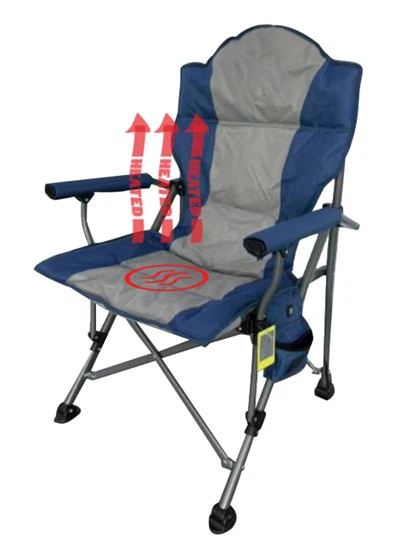
Incorporate upgraded variants featuring ergonomic structural additions, integrated mesh cup holders, cooler bags, and padded seating zones. These models bridge the gap for frequent campers who require enhanced comfort without industrial-grade load ratings.
Premium Tier (High-Capacity Professional Equipment)
Position oversized, extreme-capacity Heavy Duty Armchair models at the top of your product lineup. These items command high retail margins and target dedicated outdoor enthusiasts, professional outfitters, and commercial rental firms who demand certified durability.
RFQ Checklist: Technical Parameters for B2B Procurement Officers
When submitting a Request for Quotation (RFQ) to a camping chair wholesale manufacturer, using precise engineering parameters prevents communication errors and ensures accurate pricing structures. Use the following specifications in your next RFQ:
- Tubing Spec: Specify exact outer diameter (e.g., 22mm) and precise wall thickness (e.g., 1.2mm). Do not use general terms like "heavy duty steel".
- Fabric Weight & Weave: Define fabric denier, layering (e.g., double-layer 600D), and specific backing requirements (e.g., PVC coating, 150g/m²).
- Coating Thickness: Define corrosion resistance standards, such as electrostatically applied, scratch-resistant powder coating with specified salt-spray test hours.
- Hardware and Fasteners: Request solid carbon steel rivets instead of semi-tubular variants, along with virgin PA66 nylon connectors.
- Certifications Required: Request verified copies of ISO9001, BSCI audit logs, TUV, and SGS mechanical safety test documentation before confirming bulk production.
Product-Specific FAQ
Q: What specific engineering modifications give Sunwee heavy-duty chairs a certified 200kg load rating?
A: Our high-capacity models feature reinforced 22mm diameter steel tubing with a 1.2mm wall thickness. The internal cross-bracing uses solid 6mm steel rivets at key pivot points, combined with molded PA66 nylon bracket inserts that eliminate structural shifting under high vertical loads.
Q: How does your factory prevent fabric tearing and seam failure at the upper frame attachment corners?
A: We use a triple-layer fabric reinforcement method. The corner pockets are lined with heavy-duty polypropylene structural webbing, stitched using double-needle nylon thread, and capped with molded rubber inserts to distribute frame pressure evenly across the fabric matrix.
Q: What rust-prevention coatings are applied to ensure frame longevity in coastal environments?
A: All steel frames undergo a multi-stage pre-treatment process, including shot-blasting rust removal and a chemical phosphate wash. We then apply an electrostatic powder coating cured at 180°C, delivering verified corrosion resistance under standard salt-spray testing.