The True Cost of Poor Camping Furniture Packaging in Global Supply Chains
Shipping damage represents a hidden profit drain for volume importers, outdoor brand owners, and global procurement managers. In high-volume distribution, the financial impact extends far beyond the cost of a single broken item. It encompasses reverse logistics costs, administrative overhead from processing retail claims, and irreparable damage to brand reputation among major retailers like Costco, Decathlon, or Target.
For international buyers working with a camping furniture supplier, transit risks are magnified during long ocean freight transits, multi-port handling, and domestic last-mile delivery. Selecting rugged camping furniture packaging designed specifically to withstand the rigors of heavy-duty transit is the most effective safeguard against these operational losses. Implementing structural packaging standards at the factory level ensures that heavy bulk items arrive floor-ready, maintaining thin margins and securing your supply chain efficiency.

4 Common Shipping Damages in Outdoor Furniture Logistics
Heavy-duty steel or aluminum camping equipment is vulnerable to specific mechanical stresses during container loading, maritime transit, and rough handling at distribution centers. Understanding these mechanical failures allows procurement teams to specify the correct protective materials in their manufacturing agreements.
1. Master Carton Crushing and Rupture
Standard shipping containers experience intense vertical pressure during ocean freight, especially when multi-layered pallets shift under high humidity. Substandard exterior boxes collapse, causing the product weight to tear through the corners, exposing the interior merchandise to dust, moisture, and pilferage.
2. Metal Frame Abrasions and Paint Chipping
When camping chair packaging lacks adequate internal separation, metal frames rub against each other during transit vibration. This constant friction scratches protective powder-coated rust-resistant finishes, exposing underlying steel to atmospheric moisture, which leads to rust before the product even reaches the retail shelf.
3. Carry Bag Punctures and Fabric Tearing
Many outdoor chairs include a fabric carry bag made from 600D Oxford fabric. Without internal bracing, sharp metal pivot points, rivet heads, or molded feet can punch directly through the carry bag during drop shocks or structural shifting inside the carton.
4. Molded Plastic Component Fracture
Brackets, cup holders, and feet made from injection-molded plastics become brittle under extreme temperature fluctuations inside shipping containers. Excessive external pressure easily snaps these structural components, rendering the entire product unsellable.
Engineering the Ideal Outer Carton and Internal Protection
Preventing transit degradation requires a multi-layered material strategy. A professional camping furniture supplier must look past aesthetic retail printing and prioritize structural integrity, utilizing high-performance corrugated paperboards and specific internal buffering materials.
|
Packaging Layer |
Standard Specification |
Premium Heavy-Duty Specification |
Primary Protection Target |
|
Master Carton (Outer) |
Single-wall (3-ply) Corrugated |
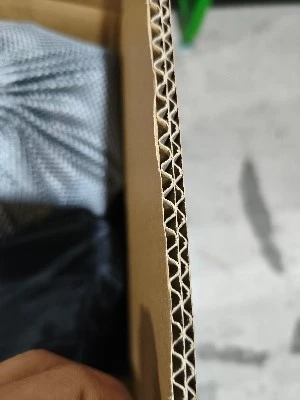
Double-wall (5-ply) BC-Flute Kraft paperboard |
Crushing resistance, puncture prevention, burst mitigation |
|
Inner Retail Box (Optional) |
300g Clay Coated Newsback (CCNB) |
E-Flute corrugated white card |
Point-of-purchase branding, structural rigidity |
|
Internal Isolation |
Standard thin PE bags |
Expanded Polyethylene (EPE foam sheets or molded caps) |
Eliminates metal-to-metal friction, absorbs corner impact shocks |
|
Component Shielding |
Loose packing |
Heavy-duty cardboard dividers & bubble wrap caps |
Protects plastic joints, rivet heads, and fabric carry bags |
Retailer Compliance: Barcoding, Labeling, and Palletization
Global retailers impose strict warehousing and inbound logistics mandates. Failure to comply with these formatting rules results in immediate financial penalties (chargebacks) or total shipment rejection at the warehouse gate.
Barcode Verifiability and Placement
All barcodes (UPC, EAN, or ITF-14 case codes) must be printed with crisp contrast to prevent scanning failures during automated sorting. They must be placed on a flat surface away from box seams, staples, or tape lines to avoid physical distortion.
Mandatory Carton Markings
The exterior master carton must display clear, legible shipping marks. This includes the country of origin, net weight, gross weight, carton dimensions, case count, and relevant international handling icons (e.g., "This Side Up," "Keep Dry," "Fragile").
Palletization and Container Optimization
To maximize loading capacity and reduce cubic meter (CBM) waste, cartons must be precisely arranged on heat-treated ISPM-15 compliant pallets. Heavy items like camping tables form the foundation layer, while lighter items like cots sit on top. The entire unit must be securely wrapped with heavy-gauge stretch film and reinforced with plastic corner protectors.
Pre-Shipment Validation: Essential Laboratory Packaging Tests
Before signing off on mass production and container loading, professional quality assurance teams rely on standardized mechanical tests to simulate the physical stresses of global transit.
- ISTA 1A/2A Drop Testing: The fully loaded master carton undergoes a series of 10 drops from specified heights onto its corners, edges, and faces to guarantee the product survives warehouse handling and delivery drops.
- Edge Crush Test (ECT) & Bursting Test (Mullen): ECT measures the top-to-bottom compression strength of the corrugated board, ensuring stacks will not collapse inside the container. The Mullen test measures the pressure required to rupture the face of the cardboard.
- Vibration and Compression Simulation: Replicates the continuous low-frequency vibrations experienced during ocean shipping and long-haul trucking, exposing any potential friction points or structural loosening.

Custom Packaging Solutions for Private Label Brands
For premium brands looking to differentiate themselves, packaging serves as the initial physical touchpoint for the consumer. Sunwee provides end-to-end support for custom packaging concepts, aligning structural durability with premium aesthetics.
Our engineering team works directly with your design assets to develop space-optimized retail boxes, customized color sleeves, and eco-friendly internal pulp trays. Whether you require minimalist kraft designs for sustainability initiatives or ultra-durable mail-order boxes engineered specifically for e-commerce direct-to-consumer fulfillment, our production lines adapt to your exact dimensional constraints and performance requirements. This close collaboration guarantees that your bespoke packaging looks exceptional on retail shelves while remaining tough enough to withstand global supply chain touchpoints.
To see our full range of certified manufacturing and shipping capabilities, review our advanced OEM & ODM Service parameters and explore our comprehensive approach to Quality Control across all product categories. If you are ready to update your product lineup with durable inventory, view our latest commercial designs for Camping Chairs and heavy-duty Camping Tables.
Frequently Asked Questions
Q: What specific ECT rating do you use for bulk camping chair packaging?
A: For our standard export shipments of heavy-duty chairs, we use a minimum 42 ECT (Edge Crush Test) double-wall corrugated carton. For extra-heavy models or oversized items weighing over 250 lbs, we upgrade the outer box to a 48 ECT or 51 ECT specification to ensure complete crushing protection during container stacking.
Q: How do you prevent internal rivet heads from piercing the outer fabric carry bags?
A: We place custom-molded EPE foam caps or thick corrugated pulp dividers directly over the vulnerable metal pivot points and plastic feet before sliding the product into its protective sleeve. This completely isolates the high-friction areas from the outer fabric bag, eliminating punctures during transit vibration.
Q: Do your standard export cartons meet the high humidity challenges of ocean shipping?
A: Yes. Our export boxes use moisture-resistant adhesives and high-kraft-content outer liners. This composition prevents the corrugated fibers from absorbing moisture and losing their vertical structural strength, even when exposed to high-humidity environments inside marine containers for extended periods.