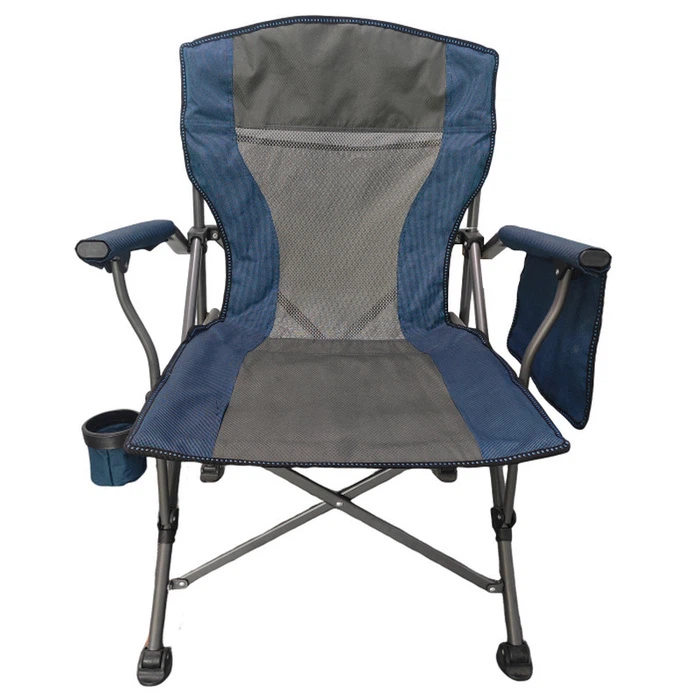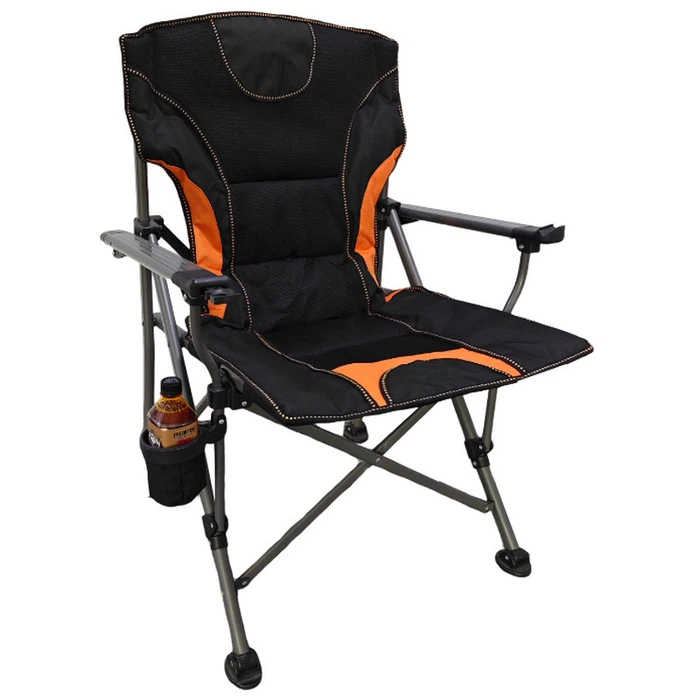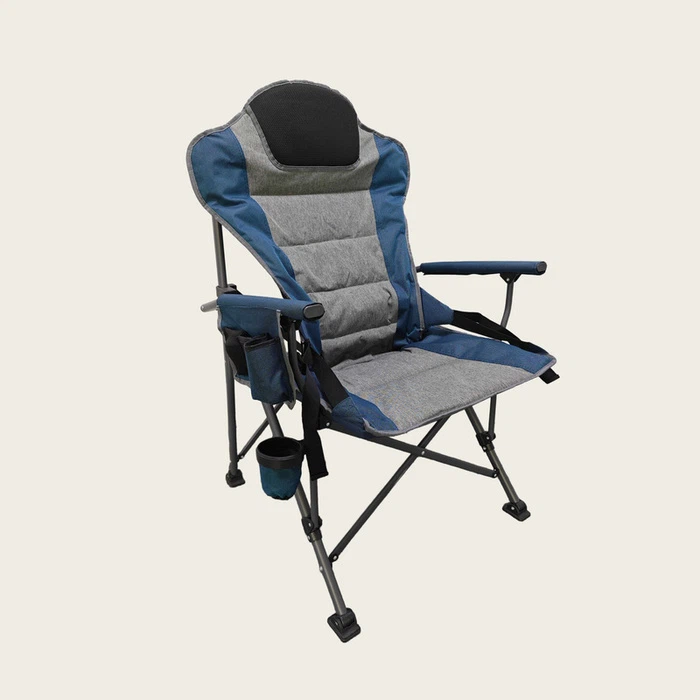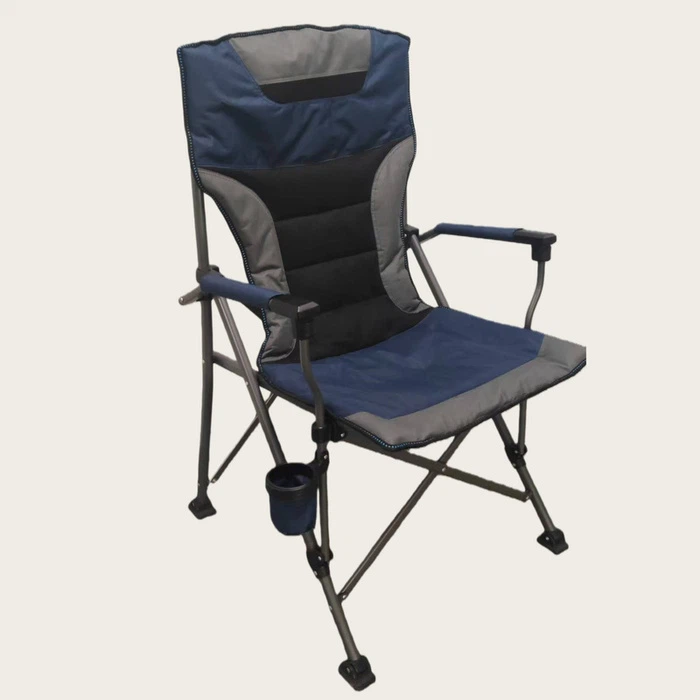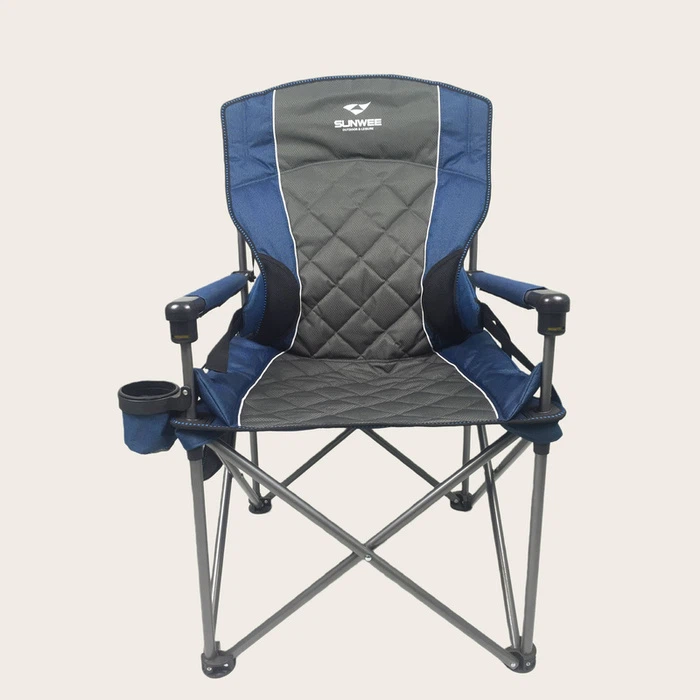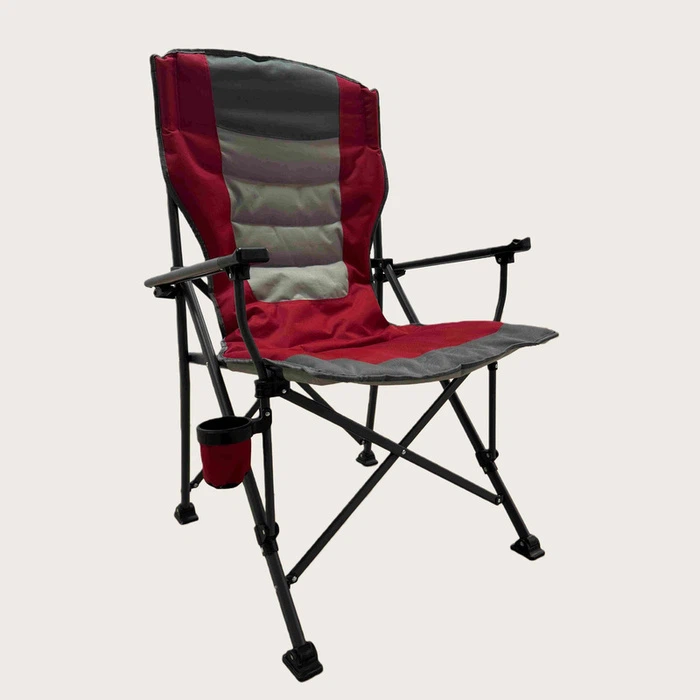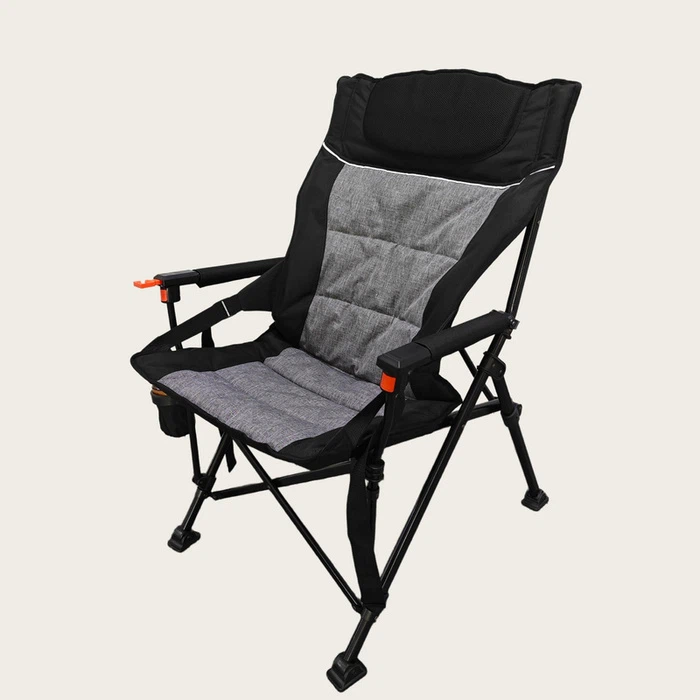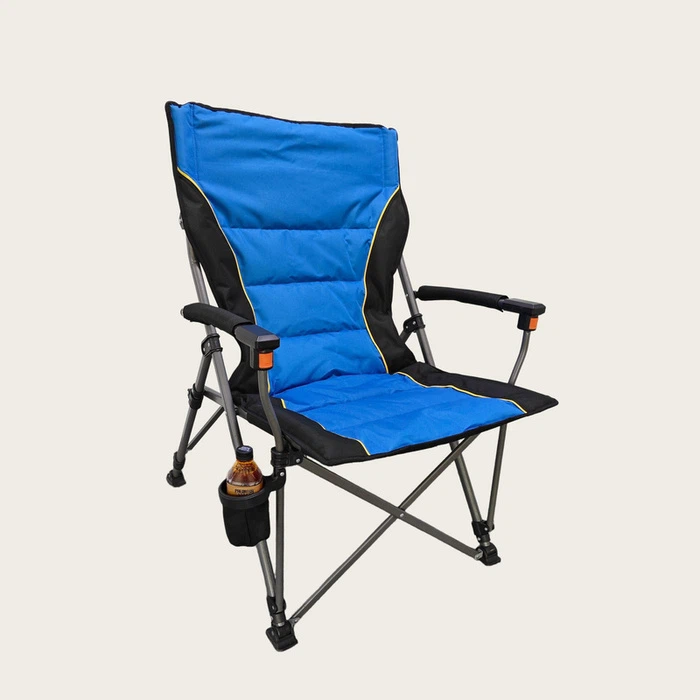
Why Returns on Folding Camping Chairs Aren't Always a Manufacturing Problem
When a batch of folding camping chairs comes back from retail channels, the first assumption is usually a factory defect. In practice, a significant portion of returns trace back to how the end user understands - or misunderstands - the product. Misaligned tension mechanisms, overstressed joints from improper unfolding, and fabric staining from lack of pre-use guidance all show up as "defects" in return data, even though the root cause sits outside the production line.
Sunwee has shipped folding outdoor seating to distributors in over 40 countries since 1997. Across those years, one pattern holds: the clearer the user instruction, the lower the return rate. This article breaks down the most common return triggers, how to design effective care labels and instruction sheets, and what packaging and testing protocols help protect the product from factory floor to consumer hands.
Common Return Reasons: What Actually Comes Back
Return data from outdoor furniture retailers consistently clusters around five failure modes:
Fabric soiling and staining. Consumers often deploy folding camping chairs directly on grass, sand, or wet surfaces without understanding that 600D polyester with PVC coating requires periodic cleaning. Dark stains from mud or organic matter get flagged as "fabric defect" rather than normal use.
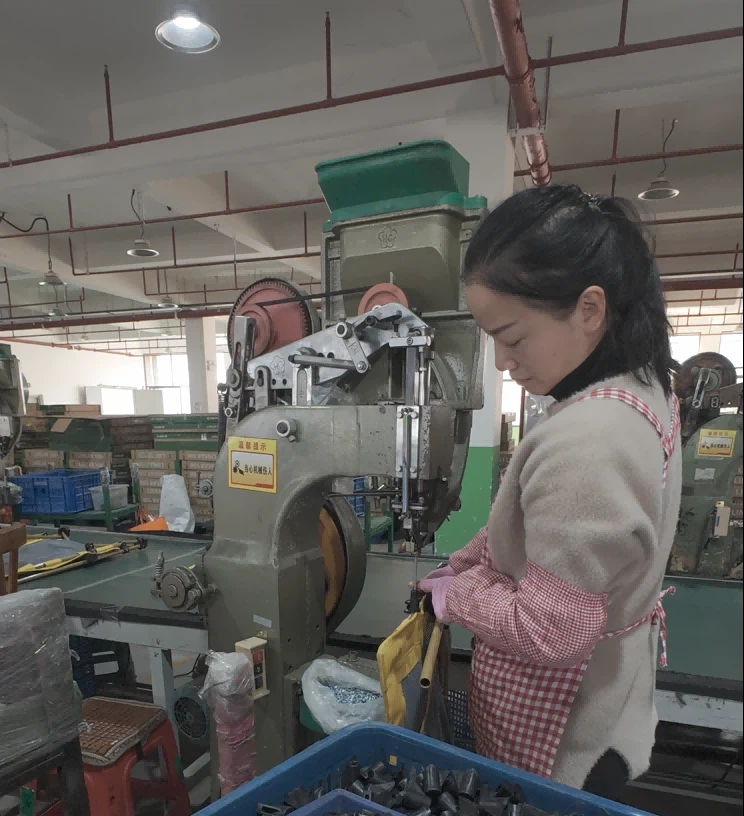
Rivet and joint loosening. The scissor-fold mechanism on most camping chairs relies on riveted steel or aluminum joints. When users force the chair open instead of following the intended unfolding sequence, stress concentrates on individual rivets. Over time, this causes micro-movement that reads as "loose hardware" in consumer complaints.
Steel tube scratching and abrasion. Powder-coated steel frames are durable, but the coating can wear at contact points where tubes rub against each other during folding. Without proper storage guidance - particularly around keeping the chair dry and clean before folding - moisture trapped inside the folded unit accelerates surface wear.
Carry bag damage. The PE bag or Oxford pouch that ships with most folding camping chairs gets used as primary storage. When consumers stuff a damp or sandy chair back into the bag without shaking it off first, the fabric abrades the bag material from the inside. Torn carry bags frequently trigger returns even when the chair itself is fully functional.
Frame misalignment after repeated use. Chairs that aren't fully locked into the open position before weight is applied can develop slight frame distortion. This shows up as "wobbling" or "unstable" in return descriptions.
Designing Care Labels and Instruction Sheets That Actually Get Read
Most consumers don't read instruction manuals. The ones who do need information presented in under 30 seconds of reading time. Here's what works:
Care label content (attach to chair fabric or frame):
| Information | Recommended Text |
|---|---|
| Weight limit | Maximum load: 300 lbs (136 kg) |
| Cleaning | Wipe fabric with damp cloth. Allow to dry completely before folding |
| Storage | Store in dry, ventilated area. Do not fold while damp |
| Frame care | Check rivets and joints periodically. Contact retailer if loosening occurs |
| Safety warning | Ensure chair is fully locked open before sitting. Keep fingers clear of folding mechanism |
Instruction sheet design principles:
- Lead with visuals. A three-panel diagram showing unfold → lock → sit takes less cognitive load than a paragraph of text
- Use icon-based warnings. A water droplet with a cross means "keep dry" across all languages
- Include a QR code linking to a 60-second setup video. Mobile-first consumers will scan before they read
- Print on waterproof stock. If the instruction sheet disintegrates after one rain exposure, it's failed its purpose
Packaging Protection and Carton Drop Testing
The packaging that protects a folding camping chair during ocean freight needs to survive one more drop test - the one that happens when the consumer opens the box at home and the chair tumbles onto concrete.
Recommended packaging specs for folding camping chairs:
| Component | Specification | Function |
|---|---|---|
| Inner wrap | PE bag or shrink film | Moisture barrier during ocean transit |
| Corner protection | 5mm EVA foam pads | Impact absorption at frame contact points |
| Carton | 5-ply corrugated cardboard, E-flute | Structural integrity during stacking |
| Label | Printed carton with handling icons | Storage and orientation guidance |
Drop testing protocol:
Sunwee's quality control team conducts ISTA 1A-standard drop tests on finished cartons before every production run. The protocol drops cartons from 76 cm onto concrete, testing six faces, three edges, and one corner. Chairs that show frame deformation, fabric tears, or rivet displacement after testing trigger a packaging revision before mass production proceeds.
For retailers concerned about last-mile delivery damage, we offer upgraded packaging with reinforced corner guards and double-wall cartons for an incremental cost of approximately 8-12% per unit.
After-Sales Instruction Template for Retailers
Retailers who include a printed insert with every folding camping chair sale see measurably lower return rates. Here's a template you can adapt:
YOUR CAMPING CHAIR - QUICK START GUIDE
Before First Use:
Remove chair from carry bag
Hold armrests and gently pull chair open
Listen for click - this means frame is locked
Test stability with light pressure before full weight
Care Tips:
Wipe fabric clean after each use
Let chair dry completely before folding
Store in cool, dry place
Check joints every few months
This insert fits on a single A5 card and costs approximately $0.03-0.05 per unit to print in bulk. The return rate reduction typically justifies the cost within the first quarter.
Custom Instruction Materials for Bulk Buyers
For wholesale buyers ordering folding camping chairs in quantities of 500 units or more, Sunwee offers custom instruction materials as part of the production package:
- Branded care labels with your company logo and color scheme
- Custom instruction cards printed in your target market language(s)
- QR-linked video content hosted on your brand channel
- Multi-language packaging inserts for export markets
These materials are produced in-house at our Fujian facility alongside the chairs themselves, ensuring consistent quality and eliminating separate supplier coordination.
FAQ
Q: How often should retailers recommend customers check the rivet joints on folding camping chairs?
A: We recommend checking rivet joints every 3-4 months for regular users, or before each season of use for occasional campers. The scissor-fold mechanism on steel-frame chairs naturally develops micro-movement over hundreds of fold cycles. Tightening isn't typically possible on riveted joints - replacement of the affected joint or chair is the standard protocol if loosening becomes noticeable.
Q: Can the PE carry bag that ships with folding camping chairs be upgraded to a more durable option?
A: Yes. The standard PE bag is included for basic protection during transit and storage. For retail customers who want something more durable, we offer 600D Oxford pouches with zipper closure and carry handle. The upgrade adds approximately $0.80-1.20 per unit depending on order quantity and is available for all folding camping chair models in our catalog.
Q: What's the typical return rate for folding camping chairs from a quality perspective?
A: Across our production history, the manufacturing defect rate for folding camping chairs runs below 1.5% when measured against total units shipped. The majority of consumer returns - typically 60-70% of total returns - relate to user error, missing instructions, or packaging damage rather than actual production defects. Clear care instructions and proper packaging reduce this gap significantly.