Technical Evaluation Criteria Before Placing a Bulk Camping Furniture Order
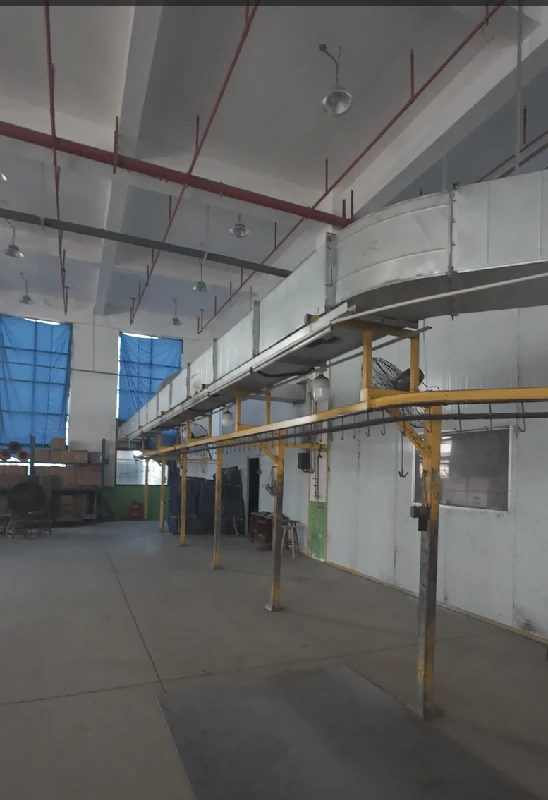
International volume buyers, importers, and outdoor brands require consistency, compliance, and structural integrity when executing a camping furniture sourcing strategy. Managing an outdoor supply chain involves navigating technical specifications, regulatory alignment, and factory capacity. Relying on superficial product descriptions often results in structural failures, shipping delays, or customs clearance rejections.
To mitigate procurement risks, severe supply chain disruptions, and quality inflation, global purchasing directors must establish a standardized technical verification protocol. This operational checklist serves as a blueprint for evaluating a potential camping furniture supplier, tracking physical product metrics, and ensuring factory-level compliance before capital allocation.
Complete Product Line Engineering and Portfolio Optimization
A reliable camping furniture manufacturer China must possess the technical capability to produce a diversified, cohesive product catalog. Segmenting your procurement across multiple unverified workshops increases logistics overhead and complicates quality control.
Fujian Sunwee Outdoor Co., Ltd. engineering capabilities cover six core product categories designed for high-volume commercial distribution:
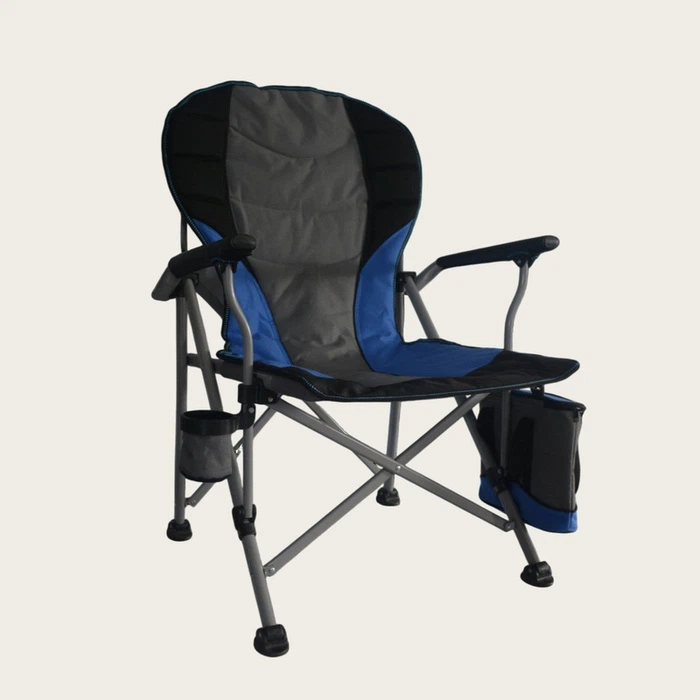
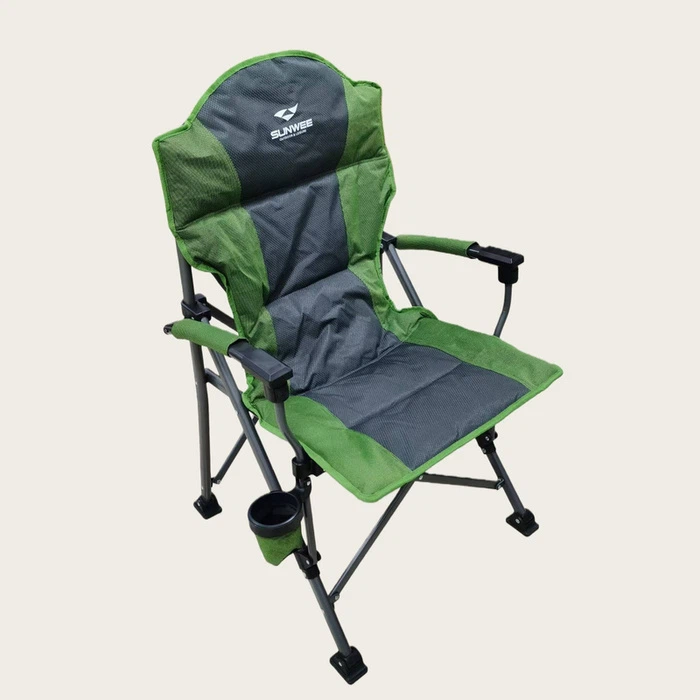
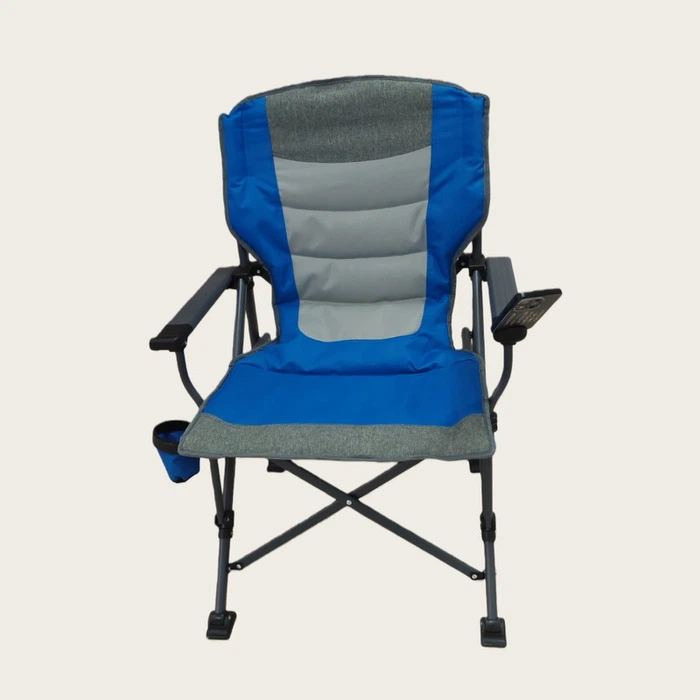
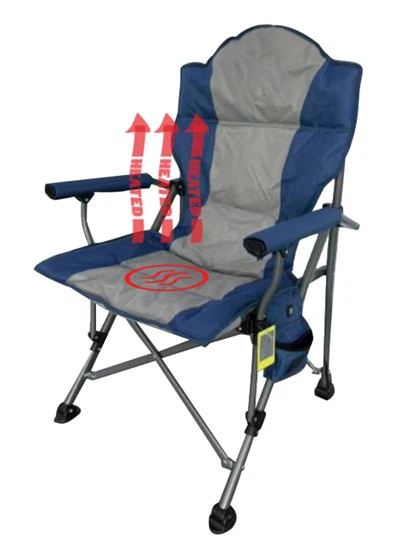
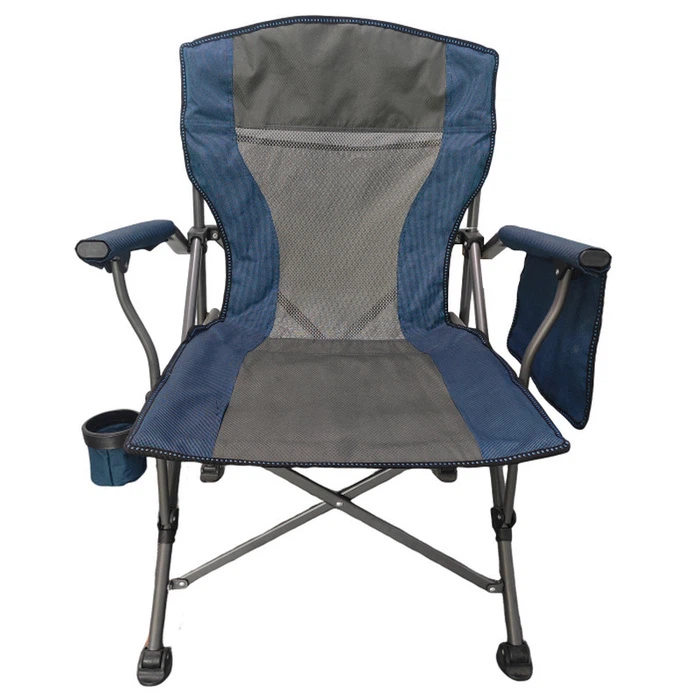
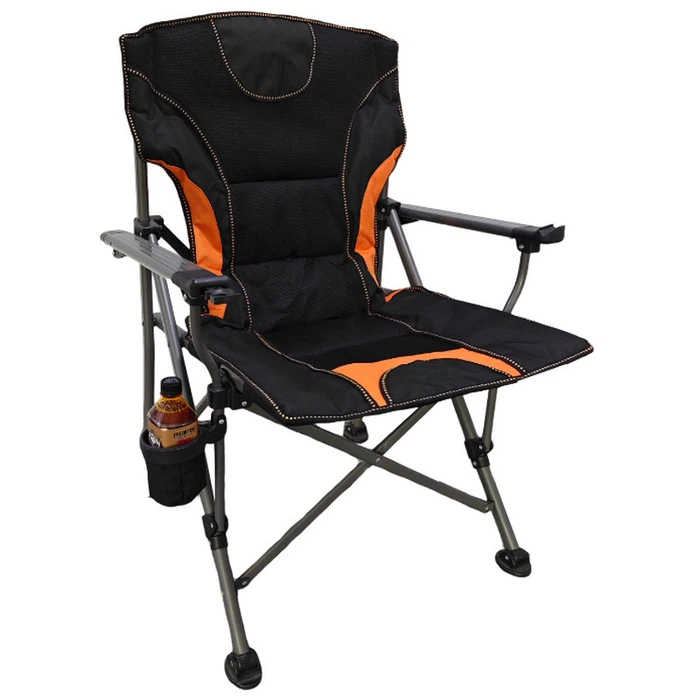
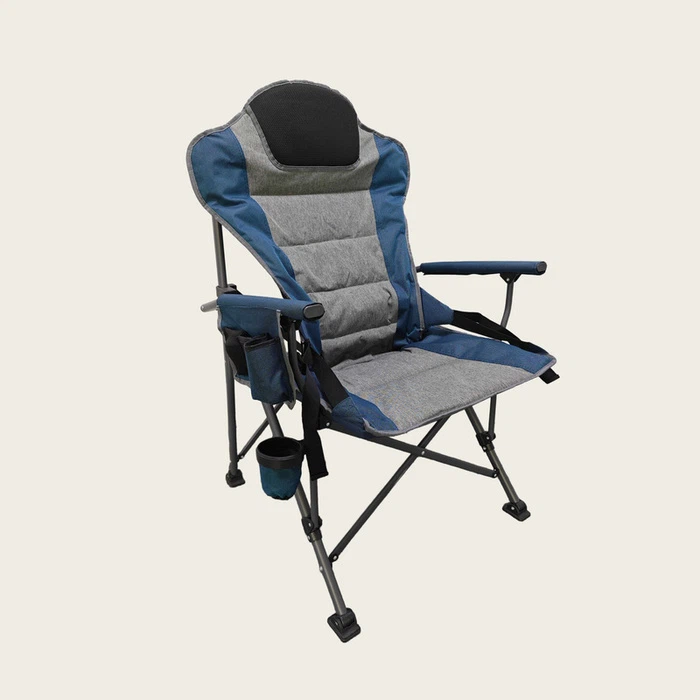
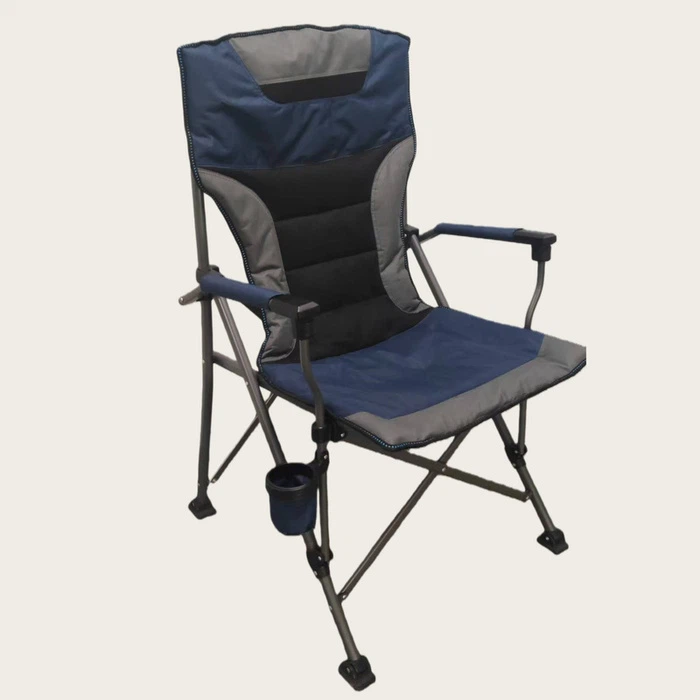
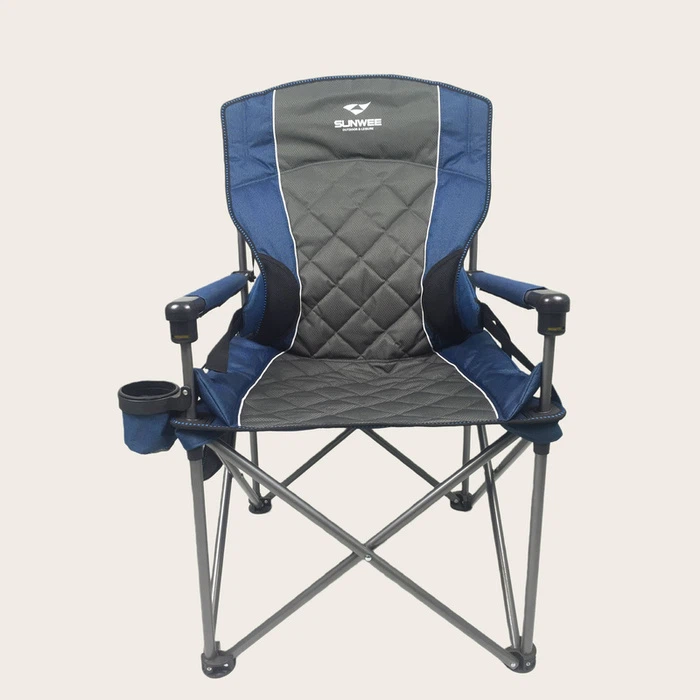
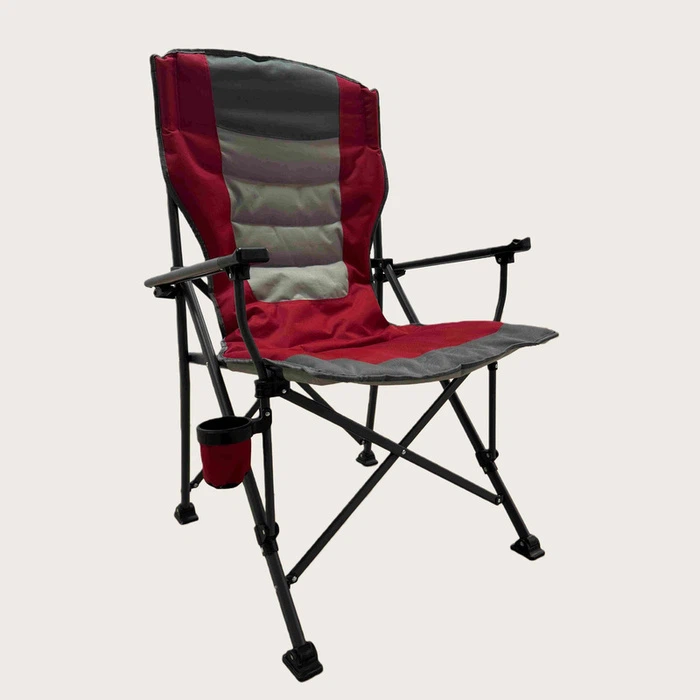
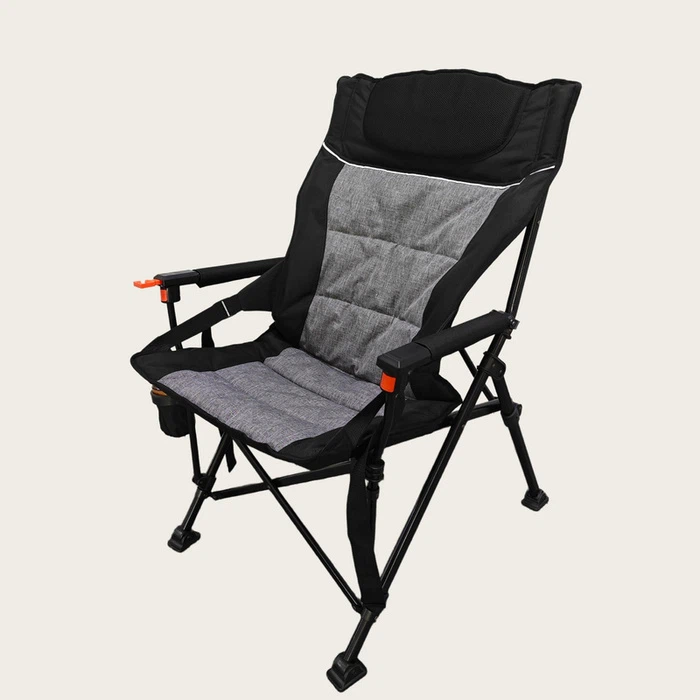
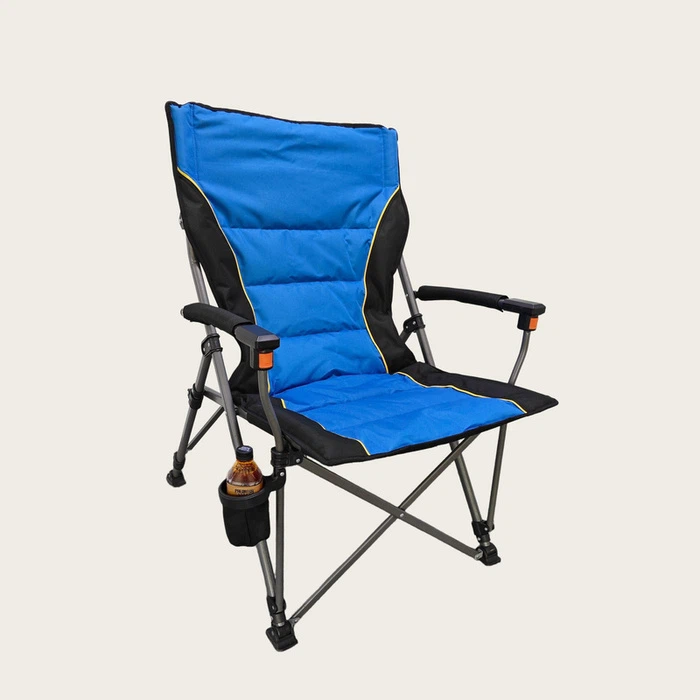
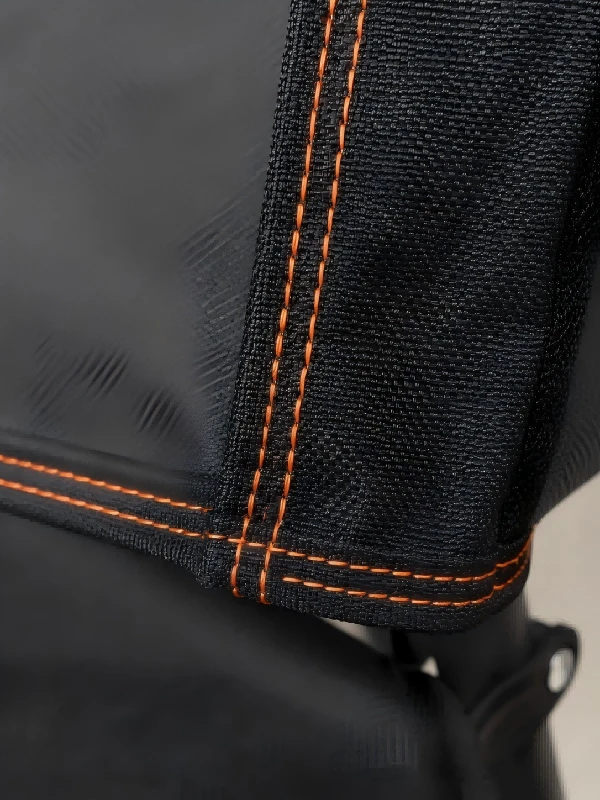
- Camping Chairs: Engineered with reinforced steel or aircraft-grade 7075 aluminum tubing, incorporating double-stitched 600D Oxford fabric, mesh ventilation panels, and integrated cup holders or side organizers.
- Other Camp Furniture: A versatile expansion portfolio including heavy-duty stools, multi-tier camping cupboards with aluminum shelving, rigid gear organizers, and specialized cooler stands featuring cross-braced stability bars.
- Camping Tables: Roll-up aluminum slat structures, blow-molded high-density polyethylene (HDPE) platforms, and MDF folding picnic tables with heat-resistant laminate surfaces.
- Camping Cots: High-tension military-style folding beds utilizing heavy-gauge steel legs, self-locking joints, and ripstop fabrics rated for continuous heavy loads.
Hardcore Material Specifications, Weight Tolerances, and Logistic Metrics
Material composition dictates both product lifespan and your retail warranty return rate. When reviewing technical data sheets from a wholesale camping furniture vendor, focus on quantifiable engineering metrics.
1. Frame Metallurgy and Surface Finishing
Steel Tubing: Industrial-grade Q195 or Q235 steel. Wall thickness must measure between 0.8mm and 1.2mm to balance structural rigidity with total item weight. All frames must undergo a powder-coated rust-resistant finish to prevent oxidation during maritime transport and coastal outdoor usage.
Aluminum Alloys: Premium models utilize 6063 or 7075 aluminum alloy tubing. This provides superior tensile strength-to-weight ratios, essential for premium backpacking and lightweight trekking product lines.
2. Fabric Density and Tensile Resistance
600D Oxford Fabric: The industry baseline for heavy-duty applications. Look for high-density weaves treated with a polyurethane (PU) backing to guarantee water repellency and tear resistance.
Textilene and Engineered Mesh: Utilized in high-temperature or humid environments to facilitate airflow. Must be UV-stabilized to prevent premature color fading and polymer degradation.
3. Engineering Performance Matrix
The following structural comparison details the specific differences between standard steel frameworks and lightweight aluminum alternatives across core sourcing metrics, packaging volume (CBM), Minimum Order Quantity (MOQ), and factory lead times:
|
Technical Attribute |
Heavy-Duty Steel Framework |
Premium Aluminum Alloy (6063/7075) |
|
Average Tubing Wall Thickness |
1.0mm – 1.2mm |
1.2mm – 1.5mm |
|
Corrosion Resistance Coating |
Electrostatic Powder Coating |
Anodized Finish / Powder Coating |
|
Weight Capacity / Load Limit |
300 lbs – 400 lbs (136 kg – 181 kg) |
250 lbs – 330 lbs (113 kg – 150 kg) |
|
Average Unit Weight (Chair) |
3.5 kg – 5.2 kg |
1.8 kg – 2.8 kg |
|
Typical Packaging Volume (CBM) |
0.025 CBM per folded unit |
0.012 CBM (Ultra-compact roll-up) |
|
Standard Factory MOQ |
1,000 units per SKU |
500 units per SKU |
|
Mass Production Lead Time |
30 – 35 Days |
40 – 45 Days |
|
Container Loading Capacity (40'HQ) |
Approx. 2,500 – 2,800 units |
Approx. 5,000 – 5,500 units |
Regulatory Compliance, Testing Standards, and Factory Audits
Importing outdoor gear into North American and European markets requires strict adherence to international safety and ethical manufacturing benchmarks. A legitimate manufacturing partner must provide unedited, third-party laboratory verification documents.
Factory Audits: Your selected supplier must operate a BSCI audited facility (Business Social Compliance Initiative) and hold valid ISO9001 quality management certification. These frameworks guarantee ethical labor practices, safe working conditions, and consistent production-line tracking.
Product Safety and Structural Integrity: Request verified laboratory test reports from recognized entities such as TUV and SGS. High-priority protocols include EN 581-1 (General safety requirements for outdoor seating and tables) and EN 581-2 (Mechanical safety and test methods for seating).
Chemical and Environmental Compliance: Ensure all raw polymer components and textile coatings comply with REACH regulations (Europe) or Prop 65 requirements (California, USA), confirming the complete absence of heavy metals, restricted phthalates, and harmful fire-retardant chemicals.

Standard Operating Procedures for Sampling, Quality Control, and Logistics
Transitioning from an initial RFQ (Request for Quote) to final maritime port delivery requires a clear, binding Standard Operating Procedure (SOP).
Step 1: Pre-Production Sampling and Tech Pack Verification
Before executing bulk deposit payments, the factory must output physical counter-samples according to your specific tech pack. This includes custom branding placement, Pantone color matching for textiles, and precise frame dimensions.
Step 2: In-Line and Pre-Shipment Inspection (QC)
Our corporate Quality Control framework demands a systematic approach. Importers should deploy internal QC agents or commission third-party inspectors (such as AsiaInspection or SGS) to perform a random AQL 2.5/4.0 sampling review. Key verification points include:
- Rivet torque and hinge deployment smoothness.
- Seam stitch count per inch and fabric tension consistency.
- Salt-spray testing results for powder-coated components.
- Drop-testing packed export cartons to ensure outer structural survivability.
Step 3: Payment Structures and Shipping Execution
Commercial Terms: Standard international B2B transactions operate on an FOB (Free on Board) or CIF (Cost, Insurance, and Freight) basis, utilizing Xiamen Port or Shanghai Port as primary shipping gateways.
Payment Terms: Typically structured as a 30% T/T (Telegraphic Transfer) deposit upon contract signing, with the remaining 70% balance payable against the presentation of the clean Bill of Lading (B/L) copy.
Downloadable Sourcing Checklist for Bulk Buyers
To streamline your upcoming procurement cycle, integrate these six criteria into your supplier vetting workflow:
- Frame Wall Thickness Checked: Verified via digital calipers to match contract specifications (Minimum 0.8mm-1.2mm).
- Textile Density Confirmed: Inspected for authentic 600D Oxford weave with functional PU water-resistant undercoating.
- Audit Documents Authenticated: Active BSCI DBID number and ISO9001 registration validated through official databases.
- Third-Party Structural Test Reports: Current SGS or TUV certificates confirming compliance with EN 581 mechanical safety criteria.
- Logistics and CBM Calculation: Total carton dimensions calculated to optimize container loading capacity and minimize dead space in 40'HQ shipping containers.
- Custom Branding and Packaging Compliance: Retail barcode placement, warning labels, and OEM outer carton drop-test parameters fully verified.
Dynamic Technical FAQ
Q: What specific anti-corrosion treatment is applied to Sunwee steel-frame camping chairs to prevent rust in coastal retail markets?
A: All Sunwee steel frameworks undergo a specialized three-stage treatment process: mechanical shot-blasting to remove surface impurities, an zinc-phosphate pre-treatment layer, and a final high-durability electrostatic powder-coated rust-resistant finish baked at 200°C. This specific process prevents moisture penetration and rust formation during maritime transit and humid outdoor exposure.
Q: Why does Sunwee specify a double-stitch configuration with 600D Oxford fabric instead of using standard single-stitched 420D nylon polyester?
A: Our structural testing proves that 600D Oxford fabric delivers double the tensile strength and tear resistance of 420D materials. By implementing a computerized double-stitch pattern with high-tensile bonded nylon thread at critical structural stress points, we prevent seam slippage and fabric tearing, maintaining a certified weight capacity 300lbs over extended product cycles.
Q: What is the maximum loading capacity deviation allowed during your internal pre-shipment quality control inspections?
A: Our factory enforces a zero-tolerance policy for structural failures. Every batch must pass an internal structural static load test where selected sample units are loaded to 1.5 times their rated commercial capacity for 24 hours. Any permanent deformation, cracking of plastic connectors, or rivet failure triggers an immediate rejection of the entire production block.
Request our 2026 Sunwee Outdoor Furniture Catalog and the latest BSCI & SGS audit reports
Founded in 1997, Fujian Sunwee Outdoor Co., Ltd. operates a specialized, high-capacity production facility dedicated to the manufacturing and engineering of premium outdoor gear. Learn more about our manufacturing capacity on our official Company Profile page, or discover our rigorous production line protocols. For tailored pricing matrices, custom OEM layout parameters, or to book a live virtual facility tour, please navigate directly to our Contact Us portal.