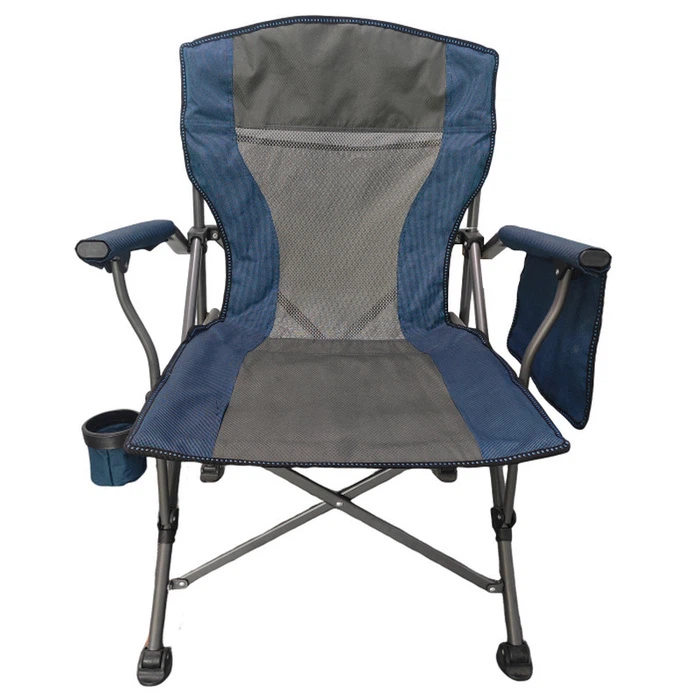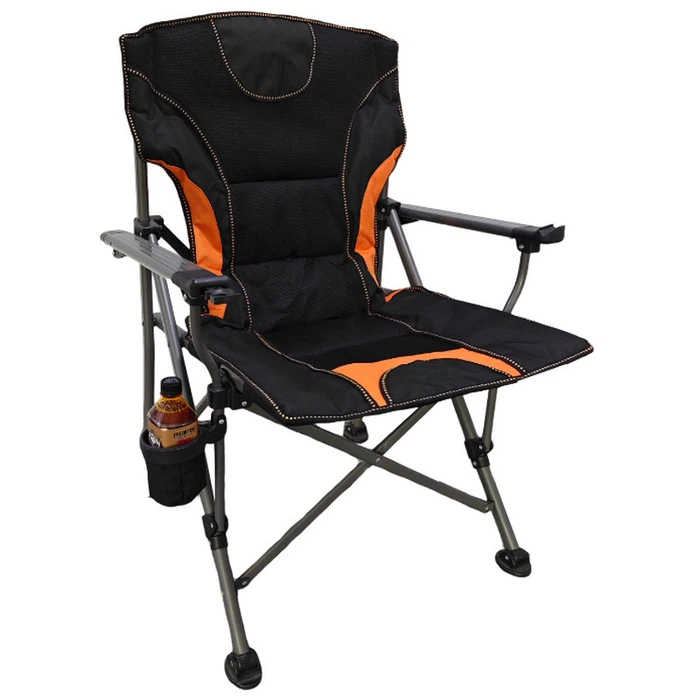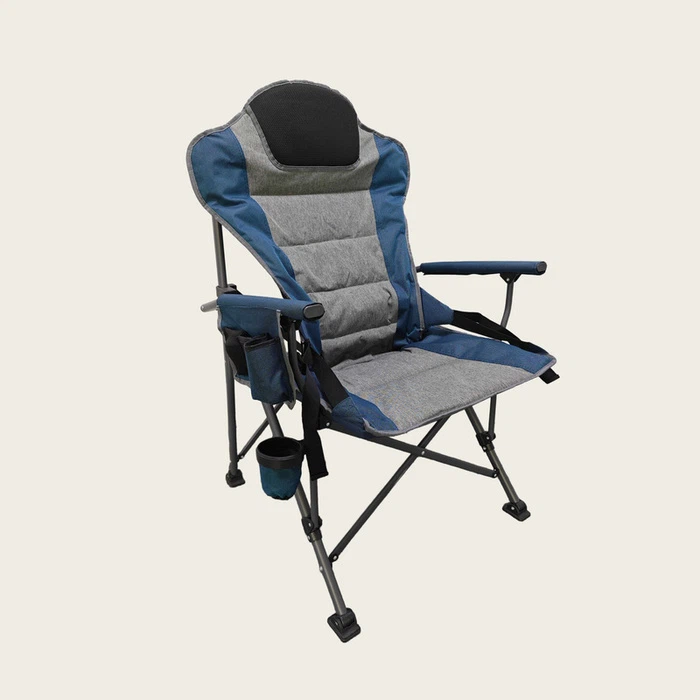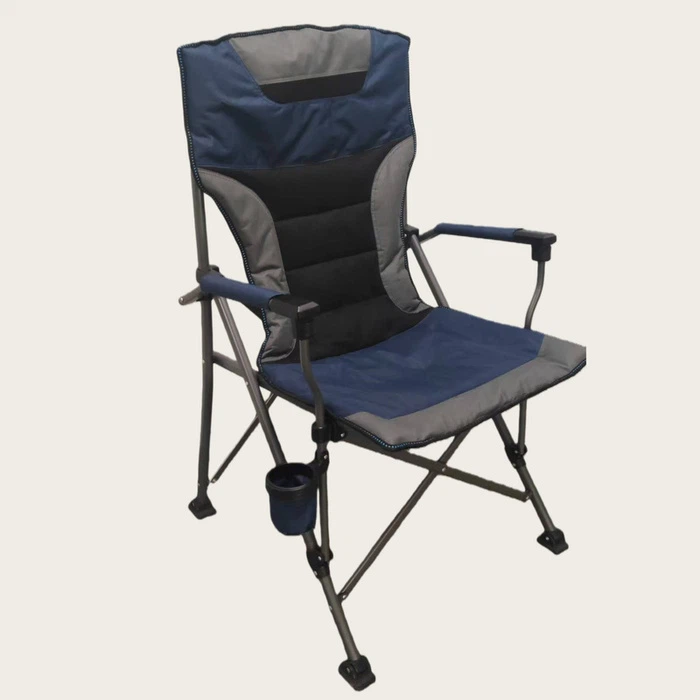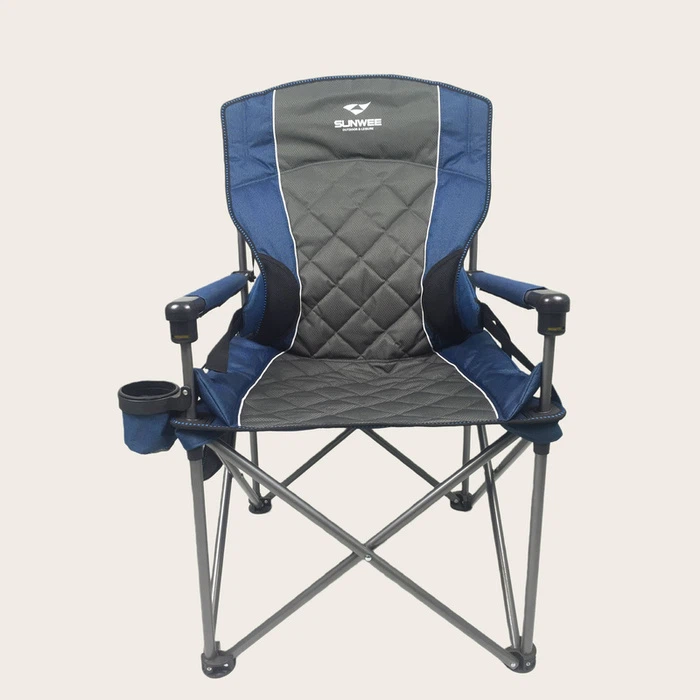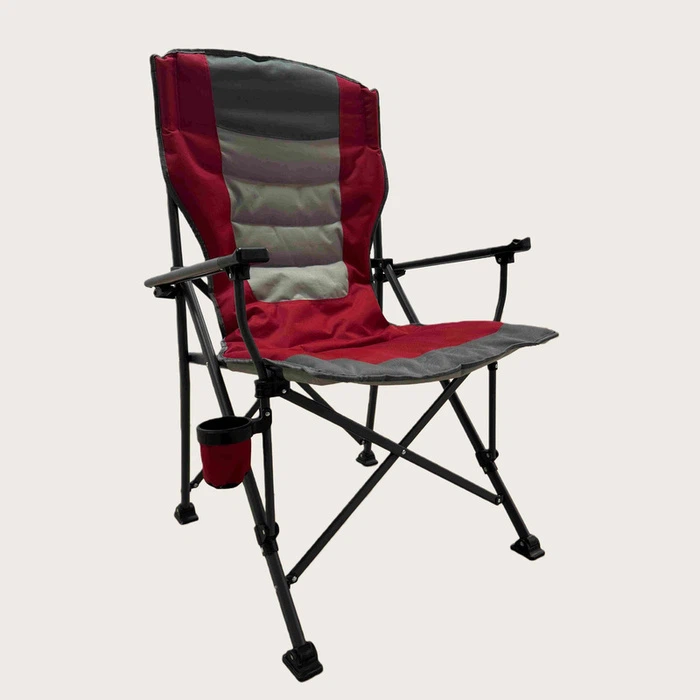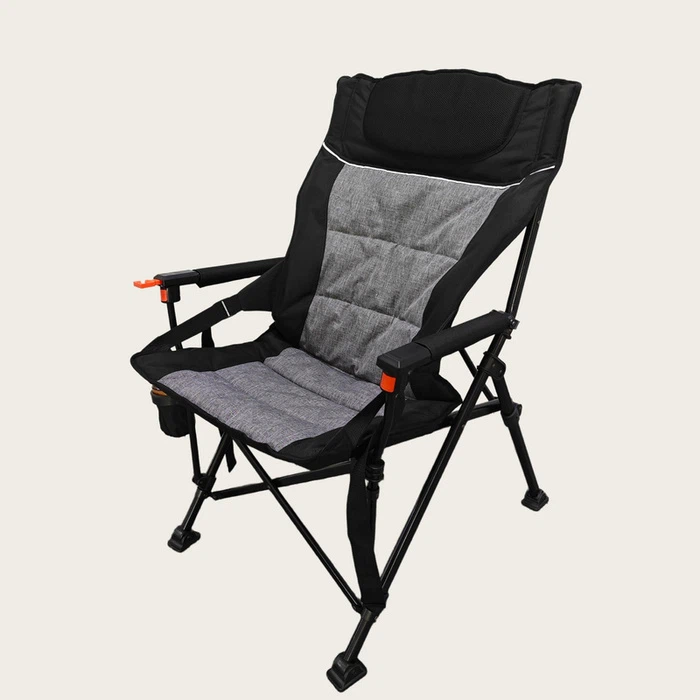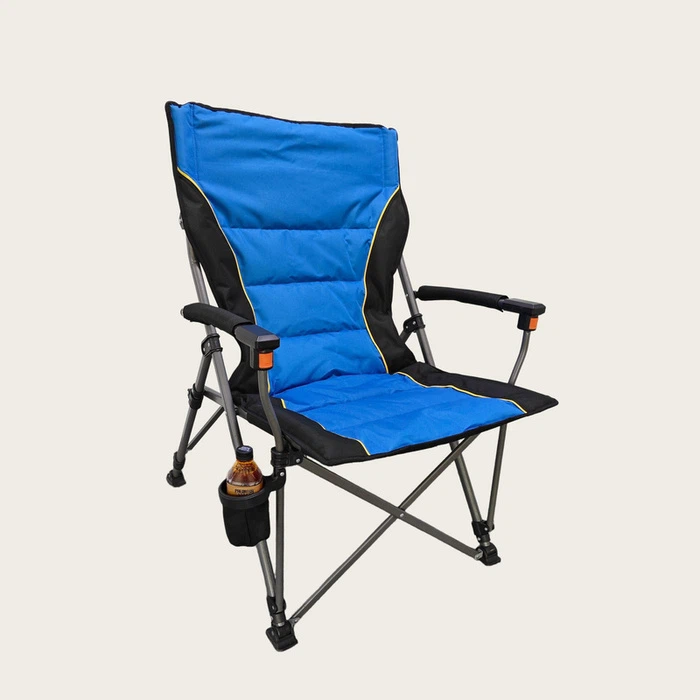
5 Common Quality Complaints in Camping Furniture and Their Root Causes
For global outdoor brand managers and corporate procurement officers, product defect claims do more than eat into profit margins-they damage brand reputation. In bulk production, minor manufacturing oversights lead to catastrophic field failures. Understanding the mechanical and material root causes of these frequent issues is the first step toward effective risk mitigation.
1. Fabric Tearing at Stress Points
The most prevalent camping chair quality problems occur where the seat fabric connects to the structural frame. High-stress corners bear the concentrated weight of the end-user. If the fabric density is insufficient or lacks reinforced backing, fibers separate under static load.
2. Frame Deformation and Bending

Tube wall thinning is a common cost-cutting tactic that compromises structural integrity. Under standard usage, steel or aluminum tubes with inadequate wall thickness buckle. This issue is exacerbated when cross-bracing rivets create stress-concentration points in low-grade metals.
3. Structural Rivet Failure and Loosening
Rivets serve as the primary pivot joints in folding mechanisms. Loose rivets cause structural wobbling, while over-tightened rivets shear off due to excessive friction and material fatigue during repeated folding cycles.
4. Missing or Broken Foot Caps
Plastic feet distribute weight and prevent the frame from sinking into soft ground. Cheap recycled plastics become brittle under UV exposure, leading to cracking. Poorly fitted caps detach during transport or field use, exposing raw metal edges.
5. Carry Bag Structural Failures
Procurement teams often overlook the carry bag, yet it is the consumer's first touchpoint. Low-density fabrics and single-stitch seams on handles frequently rip under the weight of the enclosed furniture, leading to immediate retail returns.
Raw Material Inspection: Eliminating Risks Before Production
Defect prevention begins long before components reach the assembly line. A rigorous camping furniture quality control system mandates strict incoming material inspection (IQC) protocols based on verifiable technical metrics.
Fabric Tensile Strength Verification
Standard material specifications must be verified via laboratory testing. For heavy-duty seating, 600D Oxford fabric with a Polyurethane (PU) coating is standard. IQC teams utilize tensile testing machines to verify that the fabric meets minimum breaking strength thresholds in both warp and weft directions before cutting.
Geometric Tube Testing
Factory engineers must verify both alloy composition and geometric tolerances. Structural integrity requires strict adherence to wall thickness specifications (e.g., thickness >= 1.2mm for heavy-duty steel frames). Hardness testing ensures aluminum alloys, such as 7075 aluminum alloy, have undergone correct heat treatment to prevent field bending.
In-Process Inspection: Sewing, Coating, and Assembly Checkpoints
Maintaining consistency across a production run of 10,000+ units requires strategically placed in-process quality control (IPQC) gates.
Technical Sewing Specifications
To prevent fabric tearing, stress points require double-stitched seams with high-tensile nylon thread. Structural corners must feature reinforced webbing patches. Inspectors check stitch density, ensuring a mandatory 7 to 9 stitches per inch to prevent seam slippage.
Powder-Coating Quality Control

For steel-frame items, rust prevention is critical for product longevity. The metal undergoes a multi-stage chemical pre-treatment to remove oils and scale before receiving a powder-coated rust-resistant finish. IPQC technicians perform cross-hatch adhesion tests and salt-spray testing to verify coat adhesion and corrosion resistance.
Assembly Line Pivot Verification
During final assembly, pneumatic riveting machines must be calibrated to exact torque specifications. Operators check every joint for smooth articulation without excessive clearance. Every batch undergoes a sample setup test to guarantee the folding mechanism functions without binding.
Packaging and Logistics Damage Prevention
A product that leaves the assembly line flawless can still arrive damaged due to poor packaging engineering. Shipping compression and container humidity are major catalysts for defects.
- Corrugated Box Strength: Shipping cartons must utilize double-wall corrugated fiberboard (5-ply) with high bursting test ratings to withstand vertical stacking pressure in maritime containers.
- Anti-Friction Internal Packaging: High-density polyethylene (HDPE) polybags must enclose each unit to prevent metal-on-metal friction and paint scratching during transit.
- Humidity Mitigation: To prevent mold growth on fabrics and oxidation on hardware during long sea transits, industrial-grade silica gel desiccants are placed inside every individual carry bag.
|
Component Spec |
Standard Commercial Grade |
Sunwee Heavy-Duty Export Grade |
Impact on Product Lifespan |
|
Seat Fabric |
300D–400D Polyester |
600D Oxford Fabric (PU Coated) |
Prevents tearing under high static loads |
|
Frame Material |
0.8mm Wall Steel Pipe |
Wall thickness >= 1.2mm Steel / 7075 Aluminum |
Eliminates frame bending and buckling |
|
Hardware / Rivets |
Carbon Steel Rivets |
Solid Steel Rivets |
Prevents joint shearing and looseness |
|
Plastic Components |
Recycled PP Plastic |
100% Virgin Nylon / PP |
Eliminates cracking from UV exposure |
|
Carton Specification |
Single-Wall (3-ply) |
Double-Wall (5-ply) Corrugated |
Eliminates transit crushing claims |
Final Pre-Shipment Inspection and AQL Standards
Before any bulk shipment leaves a camping chair factory QC gate, it must pass final random inspection (FRI) governed by international sampling standards.
Acceptable Quality Limit (AQL) Framework
Most top-tier global retailers mandate an AQL 1.5 or 2.5 for Major defects (e.g., structural failure, incorrect dimensions) and AQL 4.0 for Minor defects (e.g., loose threads, minor cosmetic scuffs). If the defect count in the random sample pool exceeds these thresholds, the entire production lot is rejected for 100% sorting.
Mandatory Pre-Shipment Physical Tests
An experienced outdoor furniture inspection program includes destructive and functional testing on finished samples:
- Static Load Testing: Chairs are loaded with up to 300–400 lbs for 24 hours to check for frame deformation or seam stretching.
- Impact Drop Testing: A specified weight is dropped onto the seat from a set height to simulate real-world impacts.
- Carton Drop Test: Adhering to ISTA 1A standards, packed cartons are dropped from specific angles and heights to ensure the retail packaging protects the product completely.

A Buyer's Guide to Establishing a Pre-Order QC Checklist
To protect your supply chain, procurement teams should establish a definitive quality checklist before confirming an order. Ensure your manufacturing partner provides transparent documentation regarding raw material tracking and third-party certifications.
When evaluating factory capabilities, review the manufacturer's Quality Control infrastructure and their baseline Company Profile to ensure compliance with international standards. Always request valid copies of factory Certificates & Patents, such as ISO9001 and BSCI audit reports, to confirm the facility operates under strict global management standards.
For customized product ranges like heavy-duty Camping Chairs, technical specifications should be written directly into the purchase contract. If you need to align your custom engineering drawings with our factory execution standards, please visit our Contact Us page to consult directly with an engineering lead.
Dynamic FAQ: Engineering & Quality Control Insights
Q: How does your factory prevent the fabric from slipping or tearing at the corners of high-stress camping chairs?
A: We utilize 600D Oxford fabric reinforced with heavy-duty seat webbing patches at all connection points. These corners are secured using high-tensile nylon thread with computerized double-stitched seams, preventing fabric separation under static loads up to 300 lbs.
Q: What specific metallurgical testing do you perform to ensure aluminum tables and cots do not bend under rated loads?
A: Every batch of incoming raw tubing undergoes spectrometry testing to verify alloy composition (e.g., 7075 aluminum alloy). We also utilize digital Rockwell hardness testers and micro-calipers to guarantee wall thickness meets our mandatory standard of >= 1.2mm.
Q: How does your powder-coating process prevent steel frame rust when exposed to humid coastal outdoor environments?
A: Frames undergo a 4-stage automatic chemical pre-treatment to remove surface contaminants, followed by an electrostatic application of a powder-coated rust-resistant finish. We validate corrosion resistance via regular 24-hour salt-spray testing in our internal laboratory.