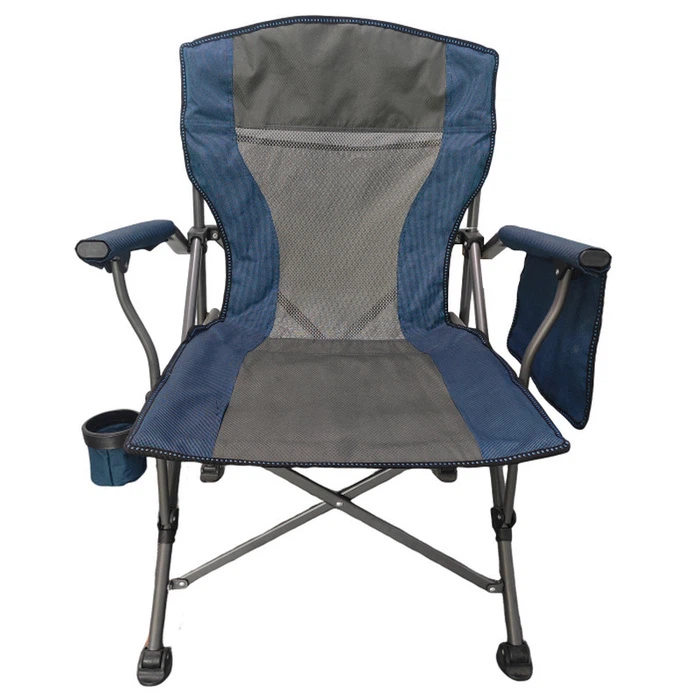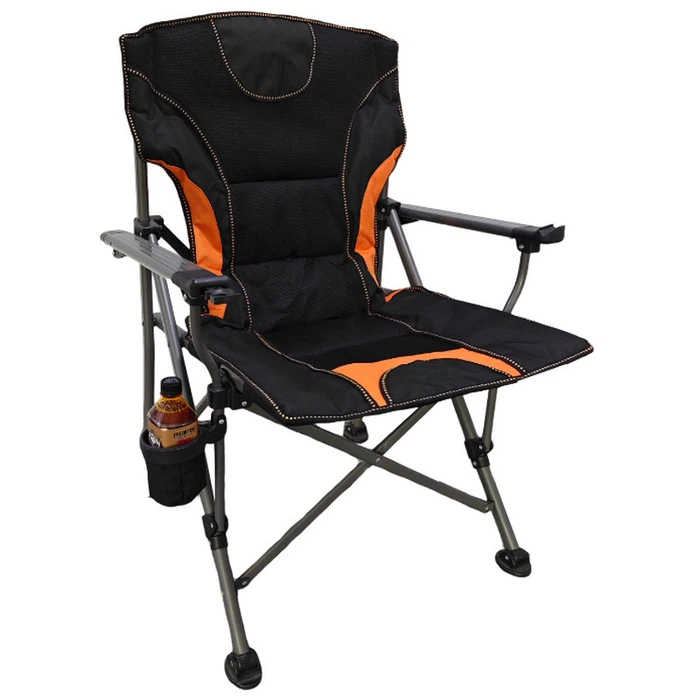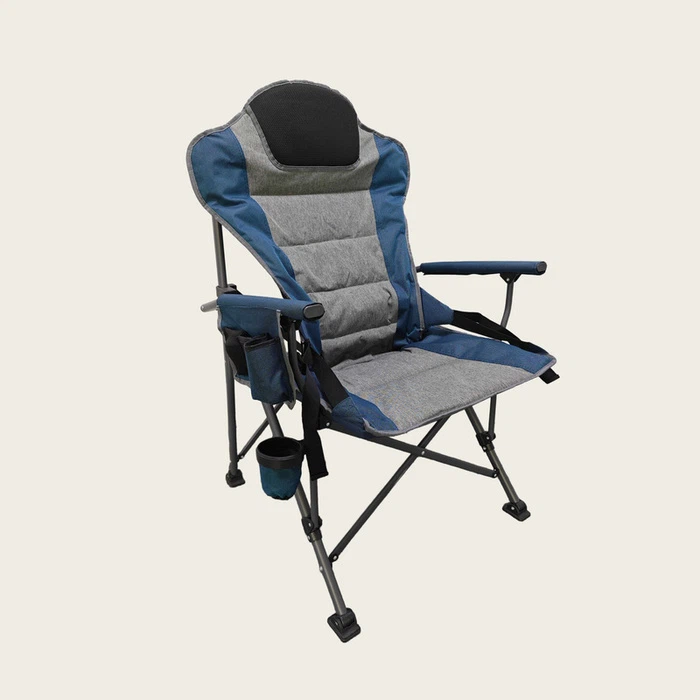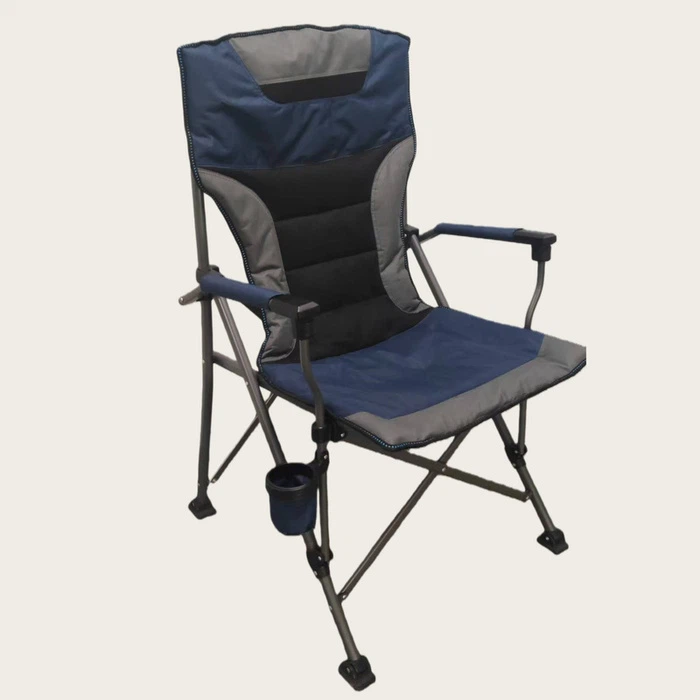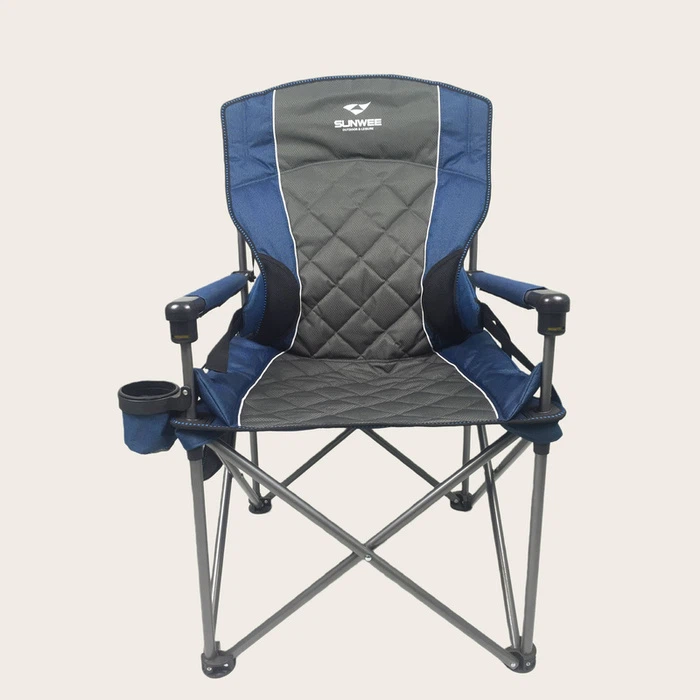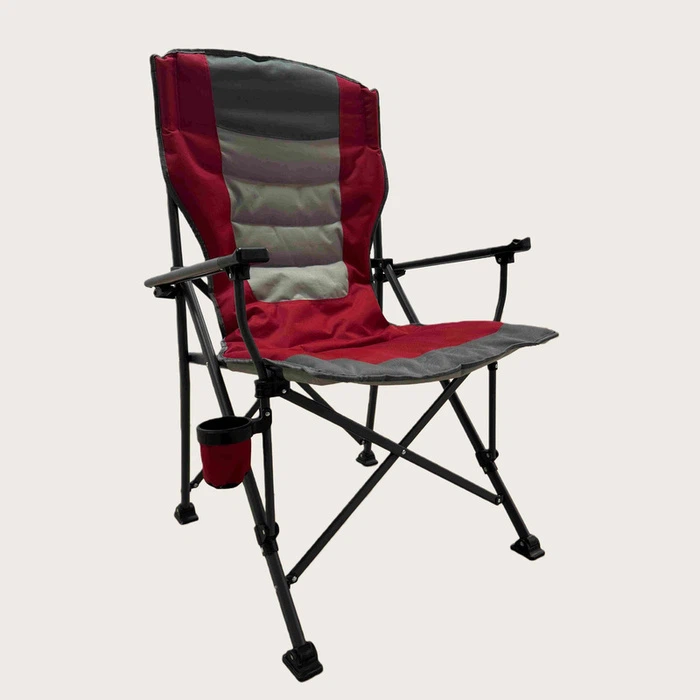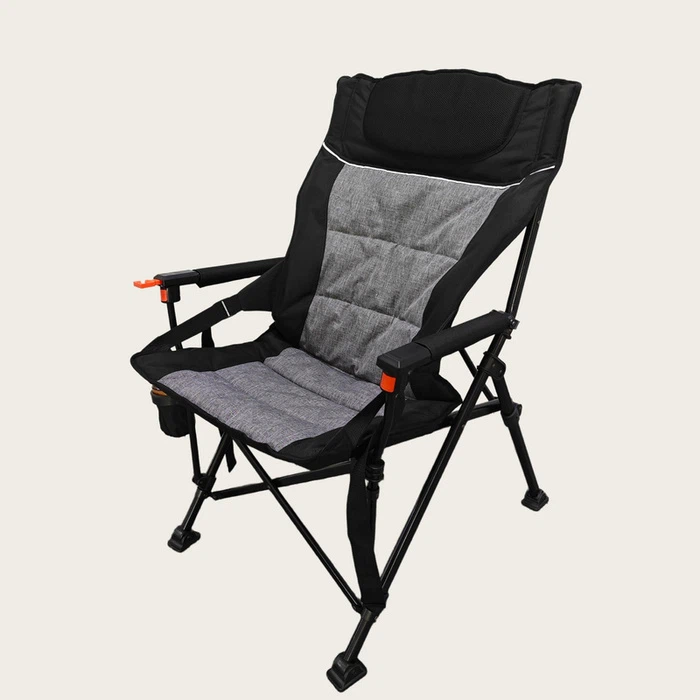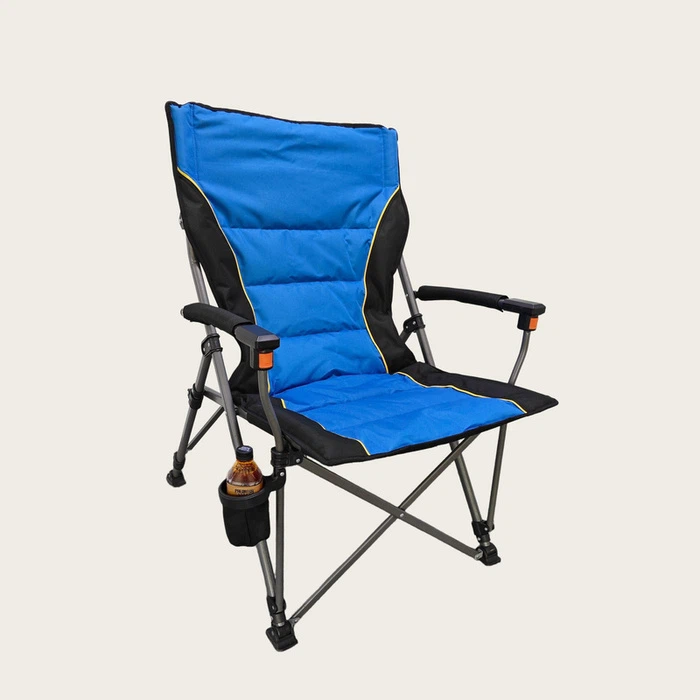
Why Fabric Tearing and Stitching Failure Occur in Camping Chairs

Fabric failure in camping chairs typically originates at the intersection of material weakness and structural stress points. The primary causes include:
- Inadequate stitch density: When stitch length exceeds 8–10 stitches per inch, the fabric layers have larger gaps between stitches, creating weak points where tearing can initiate under load. One documented failure analysis identified excessively wide stitch spacing as the direct cause of fabric separation in chairs marketed as "heavy duty".
- High-stress zone concentration: The areas where fabric attaches to the frame-particularly armrest connections and backrest seams-experience concentrated load during sitting, leaning, and exiting the chair. These zones require reinforced stitching or bartacks to distribute force.
- Fabric quality variance: While 600D Oxford fabric is industry-standard for outdoor furniture, not all 600D material performs equally. Surface treatment, coating uniformity, and fiber density affect tear resistance. Lower-grade material can fail within weeks under normal use.
- Environmental degradation: UV exposure weakens synthetic fibers over time. Even premium fabrics with UV inhibitors require proper construction to maintain integrity throughout the product lifecycle.
Material Selection - 600D Oxford Fabric, Coatings, and Stitching
600D Oxford Fabric remains the benchmark for camping chair seating due to its balance of strength, weight, and cost-effectiveness. However, material performance depends on multiple specification layers:
| Material Parameter | Specification | Impact on Durability |
|---|---|---|
| Fabric Denier | 600D Oxford | Minimum for tear resistance; 600D offers 2-3x tear strength of lower denier fabrics |
| Coating Type | PVC or PU backing | Prevents stitch elongation; PVC provides higher water resistance |
| UV Treatment | ≥1200 hours fade resistance | Prevents UV degradation that weakens fibers |
| Thread Type | Bonded polyester (size E/FF) | Higher abrasion resistance than standard thread |
| Stitch Density | 8-10 stitches per inch | Industry standard for outdoor furniture; lower density creates failure points |

Stitching quality is where premium manufacturers separate from low-cost suppliers. Defects that compromise structural integrity include:
- Missing backstitch at seam start/end
- Skipped or broken stitches (>2 consecutive)
- Loose thread tension causing "bird nesting"
- Insufficient bartack reinforcement at load points
The double-stitching method with overlapping seams provides redundancy-if one stitch line fails, the second line maintains structural integrity. This construction approach is standard for commercial-grade outdoor furniture.
High-Stress Zones - Where Camping Chair Fabric Fails Most Often
Understanding fabric failure patterns helps both manufacturers and buyers focus quality control on critical areas:
Zone 1: Armrest-to-Seat Connections
The fabric wraps around the frame at armrest attachment points. This 90-degree bend creates concentrated stress during entry and exit. Without reinforced stitching or protective webbing, this zone tears first.
Zone 2: Backrest Top Edge
When users lean back, the fabric pulls against the top frame bar. This tension, multiplied by the leverage of the user's weight, places maximum load on the seam connecting backrest fabric to the frame sleeve.
Zone 3: Seat Corners
The four corners where seat fabric meets the frame take dynamic loads during sitting and shifting. These require cross-box stitching or corner reinforcement patches to prevent stress concentration.
Zone 4: Belt/Suspension Attachment Points
For chairs with belt-style arm connections or suspension systems, the attachment points bear the full weight load. Poorly reinforced stitching here leads to progressive failure.

Production-Level Risk Reduction - Sewing Process Controls
Sunwee implements specific manufacturing controls to minimize fabric failure risk. All production occurs in-house across metal processing, powder coating, plastic injection, sewing, assembly, and packing-eliminating subcontractor variability.
Incoming Material Inspection
- Every roll of fabric undergoes 100% incoming inspection testing for:
- Tensile strength
- Tear strength (Elmendorf method)
- Color fastness (light and crocking)
- Water resistance
- Flame retardancy (where required)
In-Line Quality Interception
QC inspectors are deployed throughout the sewing line with a "stop-call" authority-production halts immediately when defects are detected. This minimizes finished product defects and ensures real-time correction.
100% Set-Up Check
Every completed chair undergoes individual setup inspection, not random sampling. For chairs, this includes confirming fabric tension, frame assembly, and folding function.
Dynamic Load Testing
Each new model undergoes actual weight and rigidity testing. Random units from production batches are pulled for load testing to verify the 300-400lb weight capacity specification.
Stitch Standard Compliance
Sunwee's sewing process follows ASTM D6193 stitching standards:
- Minimum 8 stitches per inch on all structural seams
- Backstitch at both ends of every load-bearing seam
- Bartack reinforcement at all corners and attachment points
- No raw edges in seams (full seam allowance containment)
Retailer Guidance - Educating End-Users to Prevent Failure
Even the best-constructed chairs fail prematurely under certain usage patterns. Retailers can reduce return rates by communicating practical guidelines to consumers:
Avoid Overloading
While chairs are rated for specific weight capacities (typically 300-400lbs), dynamic loads during sitting-especially dropping into the chair-can exceed static ratings. Communicate the rating clearly and explain that overloading stresses seams.
Stay Within Design Use
Camping chairs are designed for seated use only. Using them as steps, leaning aggressively backward, or sitting sideways on armrests introduces forces the frame and fabric weren't designed to handle.
Clean and Dry Before Storage
Damp fabric promotes thread degradation and mildew that weakens the material. Allow chairs to air dry before folding and storing.
Check Frame Connections
Loose rivets or frame joints create fabric pinch points. Periodic inspection and tightening maintain proper fabric alignment to the frame.
Rotate Seating Positions
Even distribution of weight across the seat surface reduces wear on specific seam locations-particularly relevant for chairs used daily in rental operations.
Tracking Return Data - What to Record and Why
Systematic documentation of returns provides actionable intelligence for quality improvement and supplier negotiation:
Return Reason Classification
Track failure modes with specific categories:
- Seam separation (unstitched)
- Fabric tear (material failure)
- Frame breakage
- Hardware failure (rivets, bolts)
- Coating/rust issues
Failure Location Documentation
Note where the failure occurred on the chair (e.g., left armrest connection, backrest top edge). Patterns across returns indicate design or process weaknesses requiring corrective action.
Usage Duration Tracking
Record approximate usage hours or days before failure. This data helps distinguish between material defects and wear-and-tear thresholds. One documented case identified stitching failure within 8 days of purchase-clearly indicating production defect.
Batch/Production Code Reference
Relate returns to specific production runs. This enables root cause analysis and targeted supplier corrective action requests.
Photograph Documentation
Maintain a visual library of failure modes. This aids supplier communication and serves as evidence for warranty claims.
Optimizing Loading Quantities - Container Efficiency
While not directly related to fabric quality, understanding container loading efficiency helps retailers plan inventory with the same discipline applied to quality management.
| Container Type | Estimated Loading Quantity (SW-D106FM) | CBM Per Unit (Folded) |
|---|---|---|
| 20GP | ~600 pcs | 0.0865 CBM per chair |
| 40HQ | ~1,450 pcs | 0.0865 CBM per chair |
Flat-fold design reduces CBM, allowing higher unit volume per container and lower per-unit freight costs. When combined with robust fabric quality, this design maximizes both margin and durability.
Certifications & Compliance
Sunwee's quality management framework is verified through third-party certifications:
| Certification | Scope | Relevance to Fabric Quality |
|---|---|---|
| ISO9001 | Quality management systems | Covers incoming material inspection and process controls |
| BSCI | Social compliance | Ensures consistent production conditions, reducing quality variance |
| SGS | Product testing | Validates fabric tear strength, load capacity, and safety standards |
These certifications provide procurement managers with documented evidence of supplier capability, simplifying vendor qualification and audit processes.
FAQ
Q: What's the minimum stitch density required to prevent seam separation on 600D Oxford fabric camping chairs?
A: Industry standard requires 8–10 stitches per inch on load-bearing seams. Lower density creates larger gaps between stitches, allowing fabric to tear at the perforation line. Sunwee's sewing process follows ASTM D6193 standards with backstitch at all seam ends.
Q: How does Sunwee test fabric tear strength during production, and can I request test reports?
A: Incoming fabric undergoes 100% inspection with Elmendorf tear testing, tensile strength testing, and color fastness checks. Random production units undergo dynamic load testing. Test reports including EN581 compliance are available upon request.
Q: Can I customize fabric specifications-color, print, or coating-without compromising tear resistance?
A: Yes. Sunwee offers OEM customization including color powder coating, fabric pattern heat-transfer printing, and logo embroidery. Custom fabric specifications require pre-production sample approval to verify strength parameters meet your requirements before mass production.
Contact our sales engineers today to request a free fabric swatch, structural sample, or the latest 2026 Sunwee Outdoor Furniture Catalog with BSCI and SGS audit reports. For OEM projects, send your tech pack or design drawings for rapid sampling and bulk pricing.