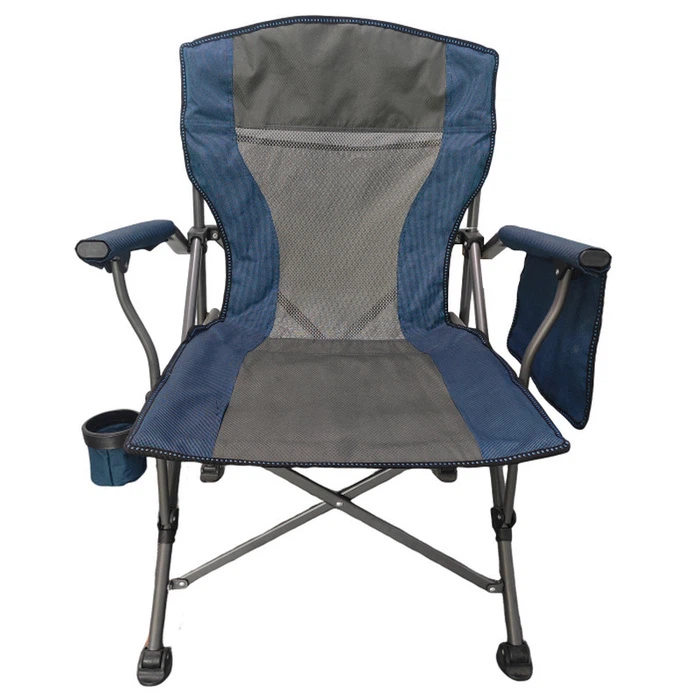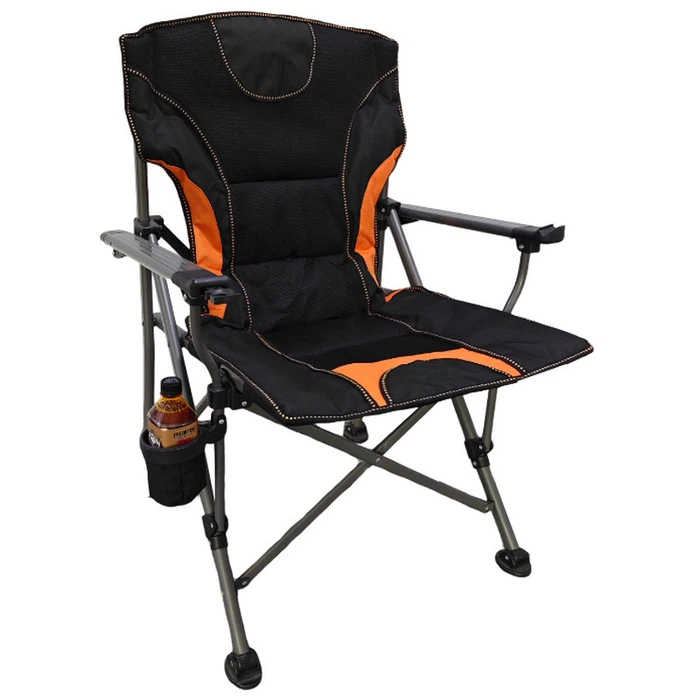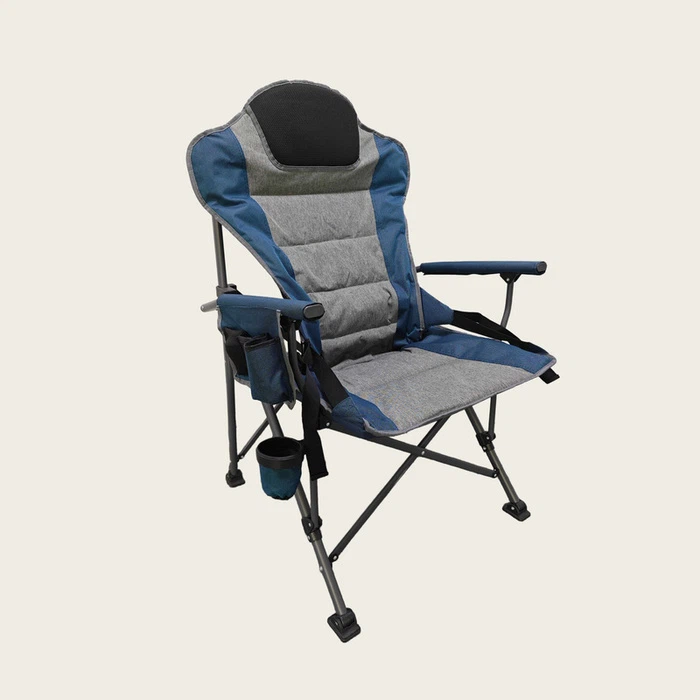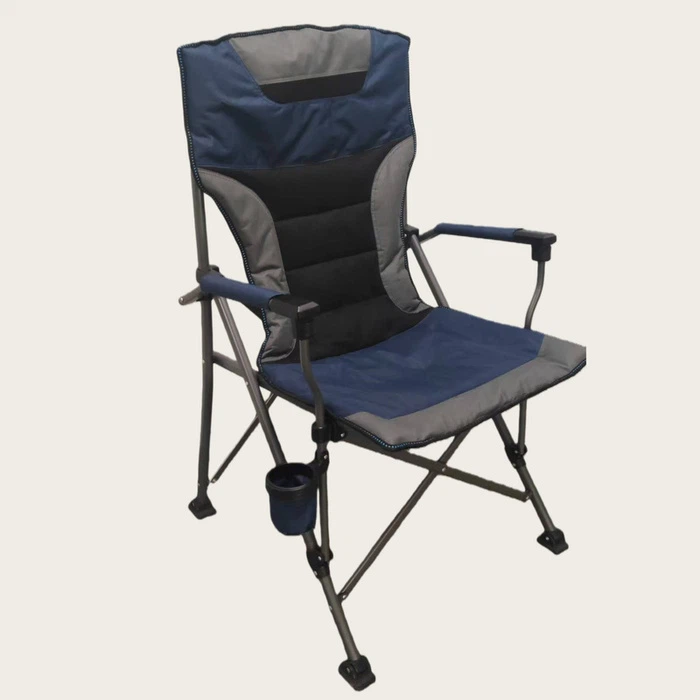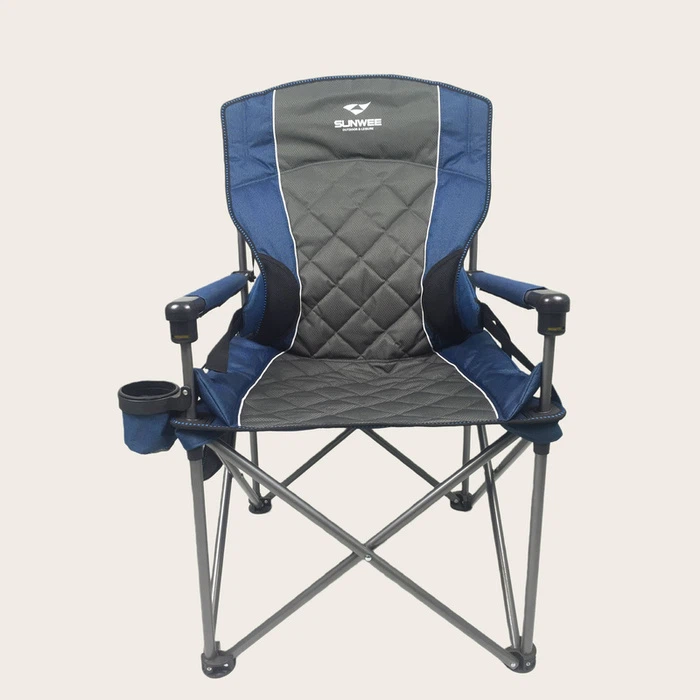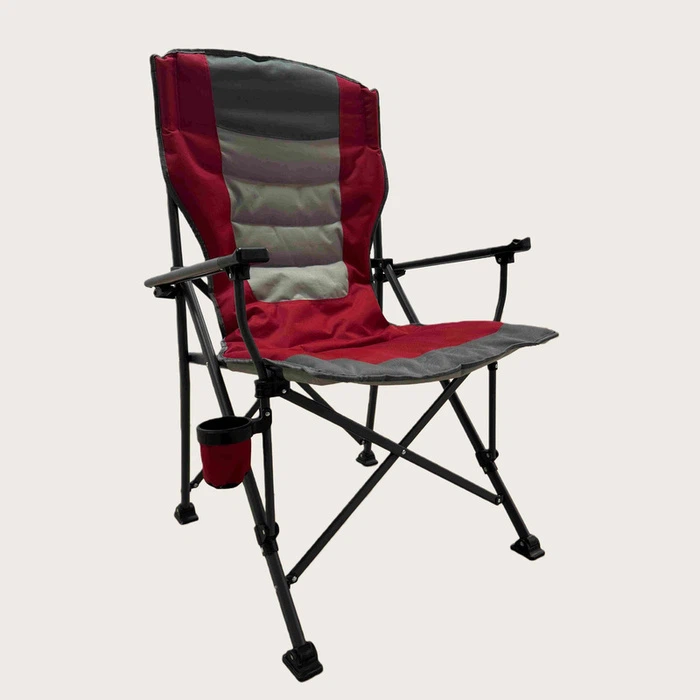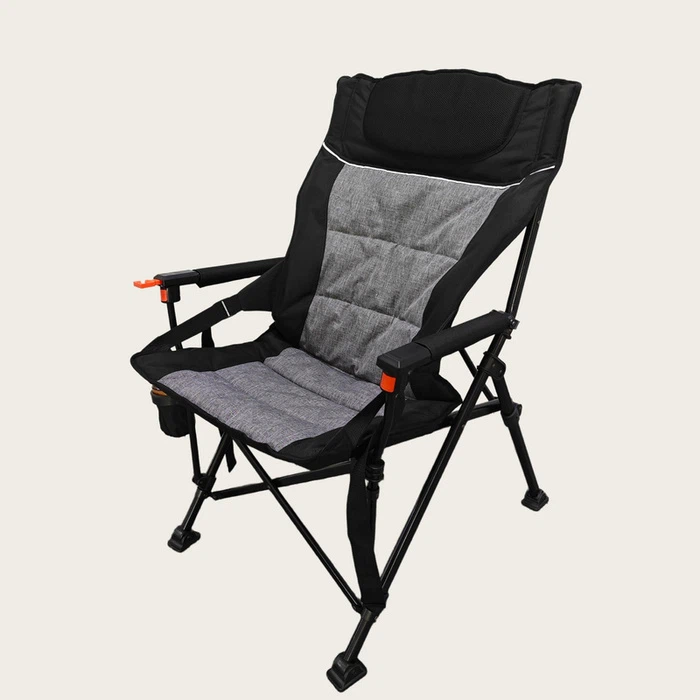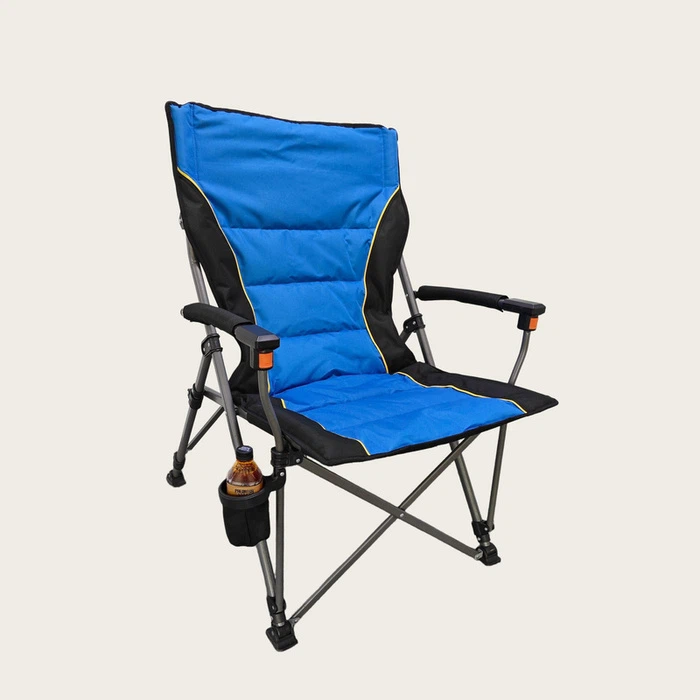
Executing camping furniture quality control requires strict adherence to standardized manufacturing workflows and material verification protocols. For large-scale retailers and global supply chain directors, minimizing defect rates during camping chair mass production is mandatory for protecting brand integrity and maintaining profit margins. Since 1997, Fujian Sunwee Outdoor Co., Ltd has operated as a source manufacturer, holding active ISO9001, BSCI, TUV, and SGS certifications. This document outlines our verifiable, data-backed approach to managing high-volume outdoor furniture orders, detailing the exact specifications, testing standards, and operational sequences used on our factory floor.
The Standardized OEM Camping Chair Production Process Workflow
Transitioning an initial concept into a high-volume manufacturing run requires a defined procedural sequence. Discrepancies often occur when buyers and manufacturers fail to align on structural tolerances and material grades prior to the deposit phase. Our facility operates on a linear verification system to prevent dimensional or functional variations.
You can review our complete operational scale and compliance history in our [Company Profile]. The standard timeline from initial inquiry to final shipping container loading follows a strict chronological order:
- Inquiry and RFQ Analysis: Our engineering team analyzes the buyer's Tech Pack, focusing on structural blueprints, required weight capacities, and target FOB pricing.
- Bill of Materials (BOM) Calculation: We generate precise cost breakdowns based on current raw material indexes for Q195 steel tubes, 7075 aluminum alloy, and synthetic textiles.
- Prototyping and Golden Sample Approval: Our [R & D] division constructs physical prototypes. Buyers must sign off on the exact fabric swatches, frame finishes, and folding mechanisms.
- Trial Run (Pilot Production): A small batch (typically 50-100 units) is produced to calibrate automated machinery and identify potential bottlenecks in the sewing or assembly lines.
- Full-Scale Mass Production: Execution of the multi-stage manufacturing sequence across our audited facility.
Raw Material Inspection and Component Manufacturing
An effective OEM camping chair production process begins before the assembly lines operate. Incoming raw materials undergo standardized physical and chemical testing.
Tube Cutting, CNC Bending, and Surface Coating
The structural integrity of any camping cot or chair relies on the metal framework. We utilize automated pipe-cutting machines configured to a dimensional tolerance of +/- 1mm. Following the cutting phase, CNC pipe benders shape the metal to exact angles specified in the approved blueprints. This eliminates the structural stress and microscopic fracturing associated with manual bending operations.

Surface treatment prevents oxidation and structural degradation in outdoor environments. Frames proceed through an acidic pickling and phosphating wash to remove industrial oils. The components are then dried and enter the electrostatic powder-coating chamber. We apply a powder-coated rust-resistant finish with a standard thickness of 60-80 microns. The coated frames pass through a curing oven at 180°C to ensure maximum adhesion and impact resistance.
Fabric Cutting, Sewing, and Hardware Assembly
Textile components dictate user comfort and tear resistance. Incoming rolls of 600D ripstop Oxford fabric or textilene mesh are inspected on light tables to identify weaving defects or inconsistent dye lots.
- Laser Cutting: Fabric is cut using automated laser systems that seal the edges simultaneously, preventing fraying under high-tension loads.
- Heavy-Duty Sewing: Our sewing workstations utilize industrial double-needle machines. Load-bearing stress points-specifically the corner pockets where the metal frame intersects with the fabric-receive reinforced bartack stitching. We use high-tensile nylon thread for maximum durability.
- Component Assembly: The cured metal frames and sewn fabrics are joined at the final assembly line. Pneumatic riveting machines secure the crossing joints. We specify standard stainless steel rivets or heavy-duty structural plastics, depending on the client's target weight rating.
You can review our full manufacturing capabilities under our [OEM & ODM Service] specifications.
Camping Chair Packaging: Compliance and Space Optimization
Optimizing camping chair packaging directly impacts shipping efficiency and unit landing costs. We engineer our packaging configurations to maximize the loading volume of standard 40HQ shipping containers while ensuring the product remains undamaged during global transit.
Standard packaging protocols include:
- Primary Packaging: Each chair is inserted into a polybag (standard 0.04mm PE) and a client-specified carry bag (typically matching the chair's main fabric).
- Instruction Manuals and Hangtags: Warning labels and assembly instructions are inserted inside the carry bag or attached via nylon zip ties.
- Barcode Verification: UPC or EAN barcodes are printed and scanned on the production line to ensure accurate retailer inventory tracking.
- Outer Carton Packing: Multiple units are packed into 5-ply corrugated export cartons. Shipping marks are printed strictly according to the buyer's exact PO instructions, detailing gross weight, net weight, dimensions, and destination port.
Standard Packaging and Container Loading Specifications
|
Chair Type |
Material Specification |
Dimensions (Folded) |
Qty / Export Carton |
Carton Volume (CBM) |
40HQ Loading Capacity |
|
Basic Folding Chair |
16mm Steel + 600D Fabric |
85x15x15 cm |
6 Pcs |
0.080 |
Approx. 5,000 Pcs |
|
Moon Chair |
19mm Steel + Padded 600D |
90x20x20 cm |
4 Pcs |
0.120 |
Approx. 2,200 Pcs |
|
Director's Chair |
25mm Aluminum Alloy |
80x50x15 cm |
2 Pcs |
0.075 |
Approx. 1,800 Pcs |
|
Ultralight Backpacking |
7075 Aluminum + Ripstop |
35x12x10 cm |
20 Pcs |
0.060 |
Approx. 22,000 Pcs |
Note: Data reflects standard averages. Exact CBM and loading capacities are calculated per individual PO based on custom dimensions.
AQL Inspection, Weight Capacity, and Functional Testing

Our dedicated inspection team enforces strict camping furniture quality control parameters at multiple intervals. We do not rely solely on end-of-line checks. Our protocols mandate pre-production, in-line, and final inspections.
Executing AQL Standards
For final random inspection (FRI), we utilize the internationally recognized MIL-STD-105E (ISO 2859-1) sampling standard. Unless specified otherwise by the procurement director, we operate on AQL 2.5 for major defects (e.g., structural failure, missing components) and AQL 4.0 for minor defects (e.g., slight loose threads, minor surface scratches on the coating).
Physical Tolerance and Functional Testing
Before any lot is cleared for shipping, randomly selected units are extracted for physical stress tests:
Static Load Testing: Heavy-duty models (such as our director's chairs) are subjected to automated hydraulic presses applying a sustained static weight of 300lbs (136kg) or 400lbs (181kg) for up to 24 hours to check for metal deformation or fabric tearing.
- Drop Testing: Packaged cartons undergo drop tests from heights of 80cm to 100cm (depending on carton weight) onto concrete surfaces to verify the impact resistance of the 5-ply corrugated outer boxes.
- Fatigue Testing: Folding mechanisms are manually opened and closed 500 to 1,000 times to ensure rivets do not loosen and plastic joints maintain their structural integrity without cracking.
- Review our full testing methodology in our [Quality Control] guidelines.

Bridging the Gap: Minimizing Sample vs. Bulk Production Discrepancy
A common risk in global procurement is the quality gap between the approved golden sample and the final mass-produced goods. This variance is typically caused by uncalibrated machinery, substitution of lower-grade materials by sub-suppliers, or poor internal communication on the factory floor.
We eliminate this risk through the Pre-Production Meeting (PPM). Before bulk cutting begins, the production manager, QA lead, and floor supervisors review the physical golden sample against the technical drawings. The approved sample is sealed, tagged, and placed directly on the assembly line as a fixed reference point. All raw material batches are cross-referenced with the sample's BOM to guarantee identical gauge thickness for metals and GSM (grams per square meter) for fabrics.
Defining QC Standards Early in the Purchasing Cycle
Supply chain managers must establish inspection criteria before initiating a purchase order. Waiting until the goods are packed to define testing parameters leads to shipment delays and costly rework.
We require buyers to document the following in their initial RFQ:
- Target AQL levels (e.g., AQL 1.0/2.5 vs standard 2.5/4.0).
- Required compliance standards (e.g., European EN581 outdoor furniture standards, REACH compliance for plasticizers).
- Specific third-party inspection agencies (SGS, TUV, BV) the buyer intends to deploy.
By locking in these parameters during the quoting phase, our production engineers can calibrate our internal defect tolerances and adjust pricing to reflect the required inspection labor and raw material grades.
Frequently Asked Questions
Q: How does Sunwee test the load-bearing capacity of a 7075 aluminum alloy camping cot?
A: We use automated hydraulic testing machines to apply static loads up to 150kg (330lbs) on the center canvas and joint hinges for 24 hours. We then measure the aluminum frame for any permanent deflection or structural bending.
Q: What is the standard packaging volume (CBM) for a basic folding camping chair in a 40HQ container?
A: A standard basic folding chair packed 6 pieces per export carton yields roughly 0.080 CBM per carton. This configuration allows us to load approximately 5,000 individual chairs into a standard 40HQ shipping container.
Q: How do you ensure color consistency on powder-coated rust-resistant finishes across large batch orders?
A: We mandate that all powder coating materials for a single PO are sourced from the same production lot. Factory inspectors utilize digital colorimeters to verify the baked finish against the sealed golden sample, ensuring Delta E values remain within accepted tolerances.