How to Customize Camping Furniture for the Australian Outdoor Market
Entering or expanding within the Australian outdoor market requires a strict understanding of regional consumer demographics and physical environments. For an OEM camping chair manufacturer or private label brand, translating these local requirements into exact engineering blueprints at the factory level is the first step toward securing a viable product line.
The Australian demographic standard requires a clear departure from standard domestic sizing. Consumers prioritize generous seat width, deeper frames, and significantly higher load ratings. Standard camping chairs designed for Asian or European markets often fail field tests in Australia due to inadequate structural reinforcement.
Sizing and Physical Proportions
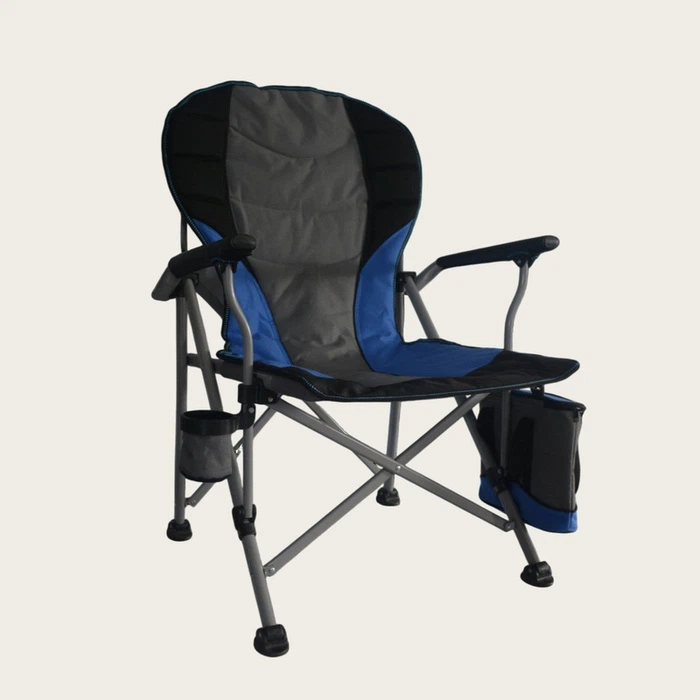
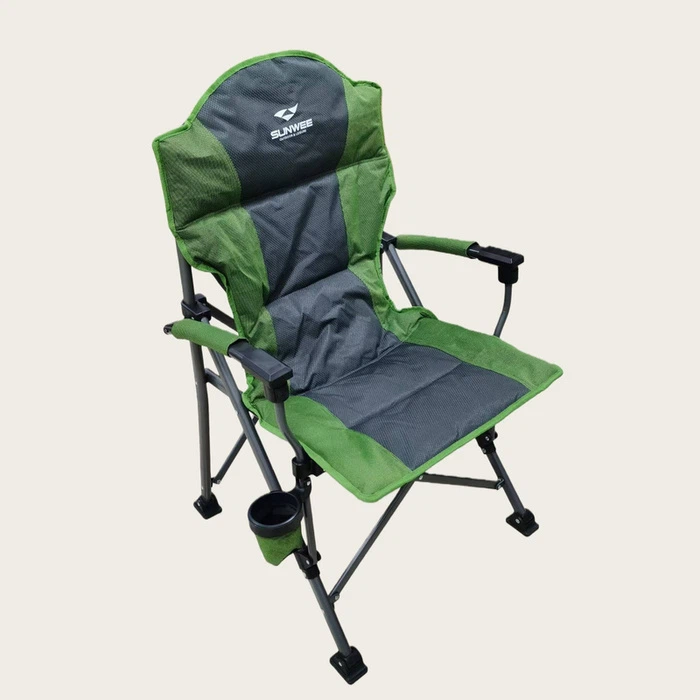
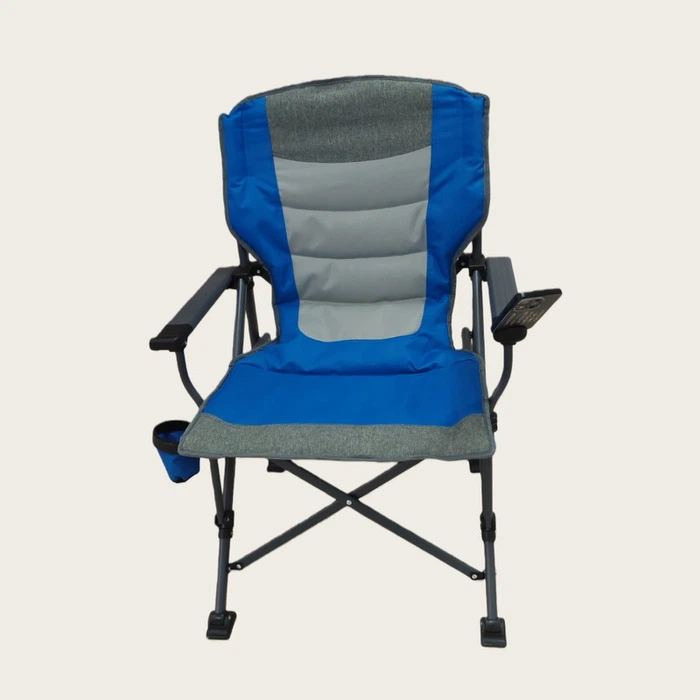
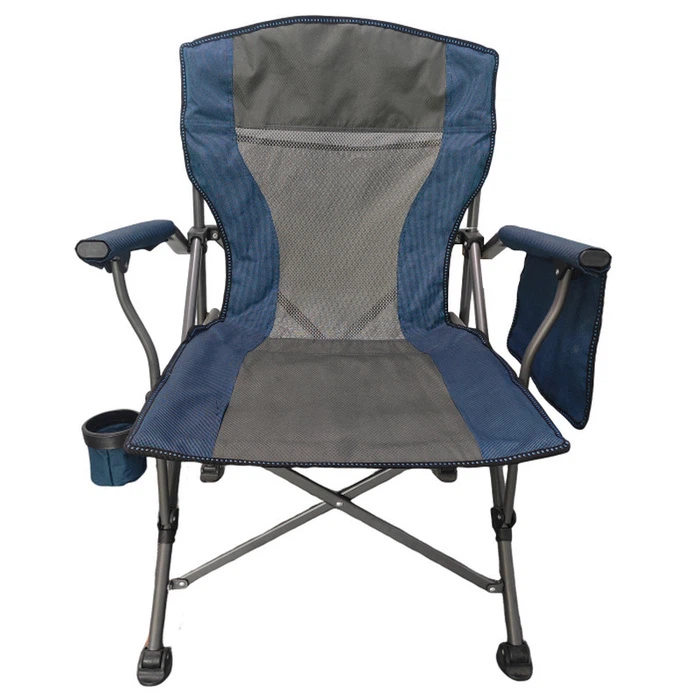
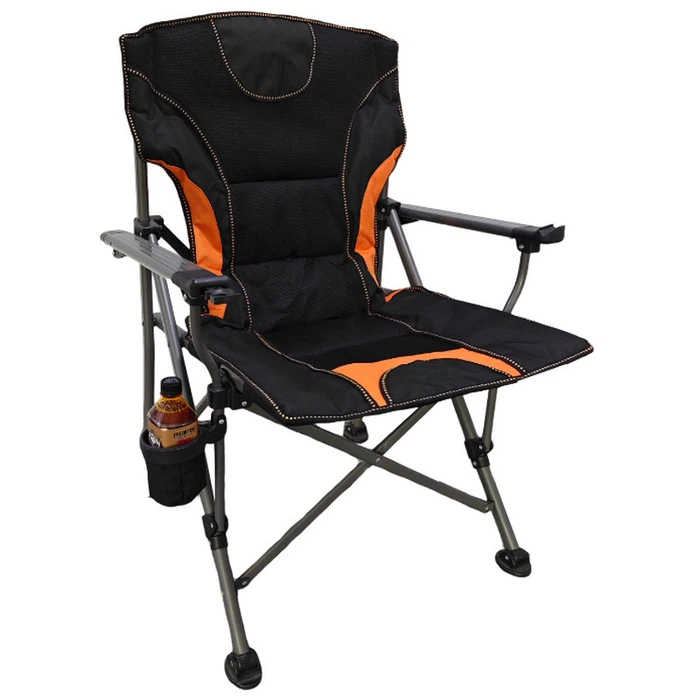
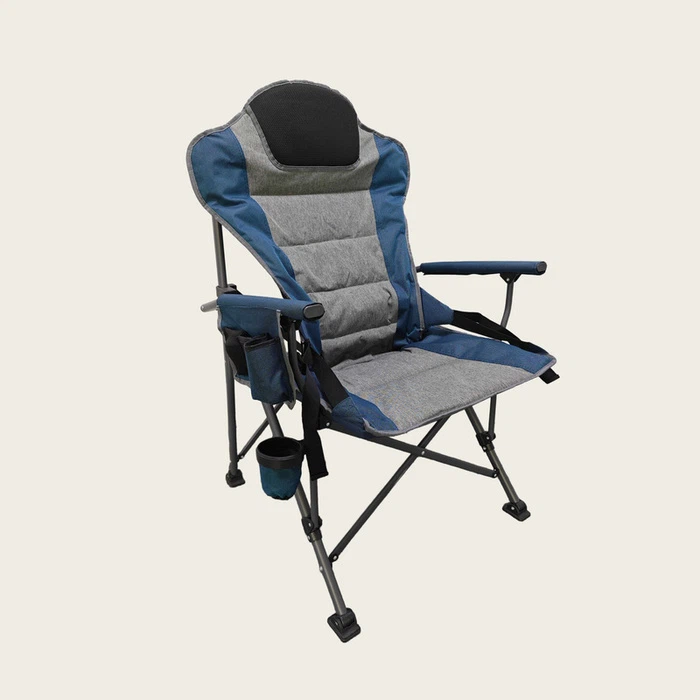
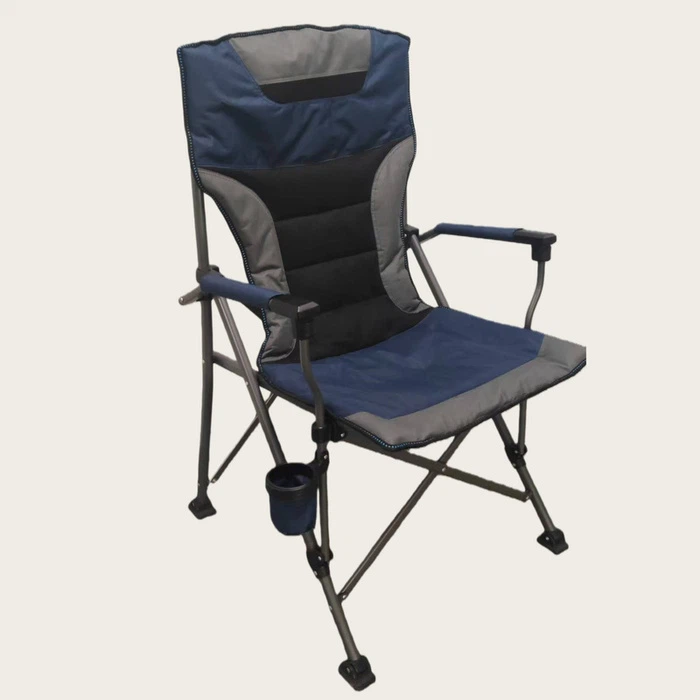
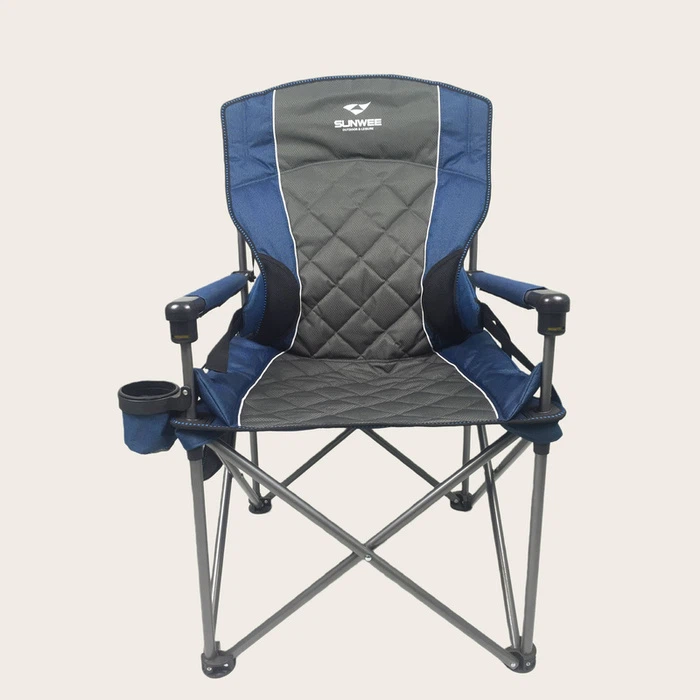
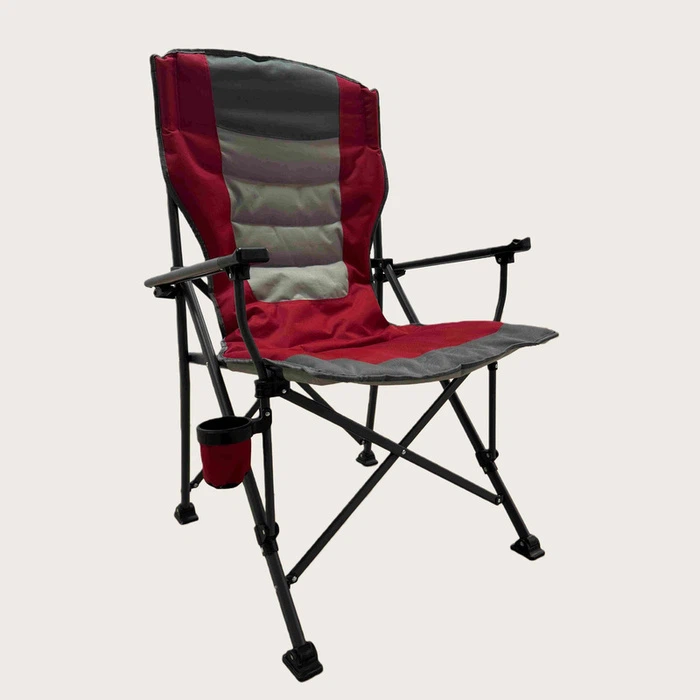
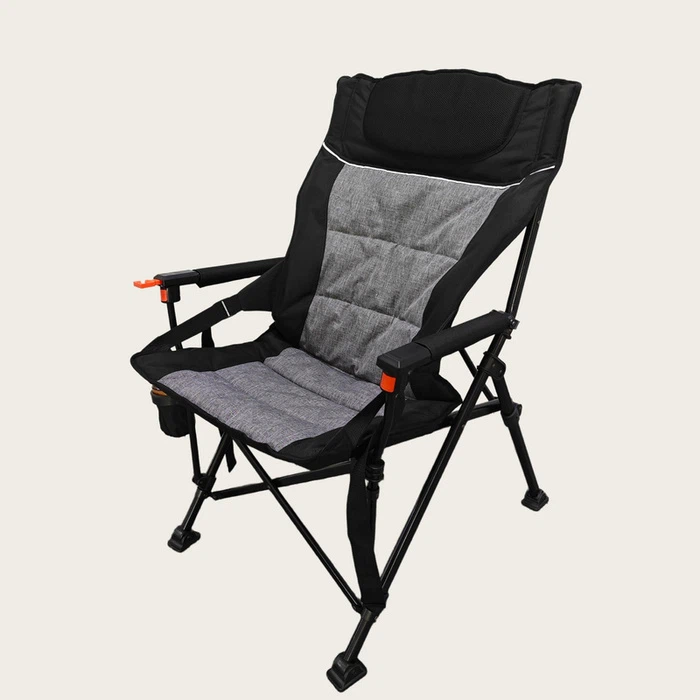
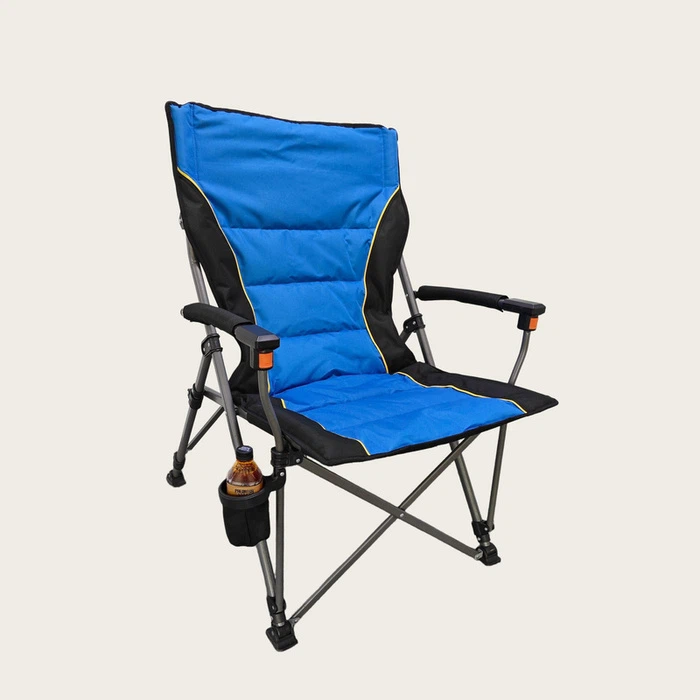
The benchmark specification for a standard Australian quad-fold armchair requires a minimum seat width of 55 cm to 60 cm, with an overall seat height of 45 cm to 48 cm from the ground. This provides comfortable entry and exit, especially when users are wearing heavy cold-weather apparel or rugged outdoor gear. Backrest heights must be extended to a minimum of 90 cm to provide correct thoracic and shoulder support during long periods of use.
Certified Static Load Ratings
While a 220lbs (100 kg) capacity is sufficient for many regional markets, the Australian retail baseline starts at a certified weight capacity of 300lbs (136 kg). Premium commercial lines, particularly those targeted at 4WD enthusiasts and remote overland travelers, frequently require a certified structural rating of 440lbs (200 kg) to 500lbs (226 kg). Achieving these figures without creating excessive product weight requires precise material selection and advanced cross-bracing engineering, which you can analyze further via our dedicated R & D capabilities.
Material Engineering: UV Stability, Frame Coatings, and Alloy Metrics

The Australian continent presents some of the harshest environmental conditions globally, characterized by extreme UV indices, coastal salinity, and highly abrasive soils. Sourcing custom camping furniture for Australia means selecting raw materials that resist rapid chemical degradation and physical structural fatigue.
Textile Engineering and UV Radiation Resistance
Standard raw polyester degrades, fades, and loses its tensile strength within a single season under Australian sun exposure. To mitigate this, our manufacturing process utilizes a premium 600D Oxford fabric or 1200D double-layer polyester pre-treated with advanced UV-inhibiting chemical stabilizers (UV 50+ rating).
For wet environments and river tracking, textilene mesh combinations are integrated to facilitate rapid drainage and airflow. The interior side of the Oxford fabric is sealed with a heavy-duty PVC coating or a breathable PU lining to provide water resistance while maintaining fabric elasticity under heavy loads.
Metallurgy: Steel vs. Aluminum Frame Profiles
Selecting the correct metal profile depends on whether your product lineup prioritizes maximum structural rigidity or minimal carry weight. The table below outlines the mechanical benchmarks utilized in our production facility for the Australian market:
|
Material Specification |
Steel Tubing (Heavy-Duty) |
7075 Aluminum Alloy (Ultra-Light) |
|
Typical Tube Diameter |
16mm / 19mm / 22mm |
13mm / 15mm / 18mm |
|
Wall Thickness |
1.0mm to 1.2mm |
1.2mm to 1.5mm |
|
Surface Treatment |
Electrostatic Powder Coating |
Anodized Finish / Matte Powder |
|
Corrosion Resistance |
Salt spray tested up to 72 hours |
Inherently rust-resistant |
|
Primary Application |
4WD Overlanding, Heavy Duty Armchair |
Hiking, Trekking, Premium Loungers |
|
Target Load Capacity |
300lbs to 500lbs |
250lbs to 330lbs |
Corrosion Prevention and Coating Standards
Steel frameworks must feature an electrostatic, thermoset powder-coated rust-resistant finish. Before coating, the raw steel tubes undergo a multi-stage chemical wash and phosphating process to remove surface lipids and scale. This ensures maximum adhesion of the powder layer, preventing subsurface oxidation if the paint layer is scratched by gravel or sand. For aluminum tables and roll-up slat frames, hard anodization protects against surface pitting and oxidation caused by marine air.
Application-Driven Customization: Beach, Fishing, and Caravan Categories
To capture market share in Australia, products must be tailored to specific recreational activities. Generic outdoor furniture fails to address the unique pain points encountered across different terrains.
1. Coastal and Beach Furniture Layouts
The primary challenge for beach furniture is unstable ground and salt water. Standard small plastic feet sink instantly into soft coastal sand, leading to frame distortion. Customizations must feature oversized, articulating sand feet or a low-profile, curved continuous loop frame design that distributes weight across a larger surface area. Aluminum is the preferred choice here due to continuous exposure to seawater moisture.
2. Deep-Sea and River Fishing Seating
Anglers require high utility and long-term seating comfort. Customizations for this segment include integrated insulated cooler bags hung from the armrests, reinforced side tackle pockets with drainage grommets, and adjustable leveling legs to compensate for uneven, rocky riverbanks. The seating fabric must feature high water drainage capacity to prevent water pooling during rainfall.
3. Caravan and RV Camper Support Systems
Caravan travelers prioritize storage volume and fast deployment. Furniture designed for this segment must emphasize a compact folding profile that nests perfectly inside standard RV exterior storage lockers. Aluminum-framed Camping Tables with heat-resistant tops (allowing cooking directly on the surface) and quick-fold cupboards with internal hard shelves are highly sought after by this demographic.
Private Label Compliance: Packaging, Barcoding, and Carton Layouts

A successful product deployment relies heavily on downstream logistics and distribution readiness. As a leading outdoor furniture factory in China, Sunwee ensures that bulk cargo arrives fully compliant with Australian retail warehousing standards and consumer law mandates.
Product Labeling and Safety Compliances
Australian consumer safety regulations require clear, indelible markings regarding maximum safe weight capacities and basic setup warnings. We provide precision OEM logo embroidery alongside sewn-in tracking labels that include batch numbers, fiber content, and safety usage instructions.
Barcoding and Retail Outer Cartons
For volume retail deployment (such as BCF, Anaconda, or Bunnings), outer cartons must feature clear GS1-compliant ITF-14 or EAN-13 barcodes. Master shippers are constructed using heavy-duty double-wall corrugated cardboard (5-ply minimum) to withstand high humity during ocean transport and automated sorting conveyor impact inside local fulfillment centers.
- Inner Retail Packs: 210D or 600D matching carry bags with printed instruction hangtags.
- Transit Markings: Clear gross weight, net weight, country of origin, and handling icons printed on two sides of the shipper.
- Drop-Test Readiness: Packaging layouts can be optimized to pass ISTA 1A/2A drop tests for e-commerce platforms.
Supply Chain Strategy: Low-Volume Testing to Annual Allocation
Balancing initial import risks with optimal unit costs is a major challenge for procurement managers. Sunwee provides a reliable framework that bridges the gap between initial product validation and long-term bulk supply security.
Phase 1: Small Batch Testing Orders (MOQ Management)
To validate a new product variant or market aesthetic in Australia, our factory supports low-volume trial runs. This allows brands to test specific regional colorways or material setups before committing capital to full container quantities. This phase minimizes overhead while allowing real-world feedback from local distributors.
Phase 2: Scaling to Full Annual Purchase Orders
Once a product design is validated, scaling production brings substantial cost efficiencies. Ordering in 20GP or 40HQ configurations maximizes container volume utilization and lowers per-unit shipping costs.
Our BSCI audited facility utilizes scheduled material forecasting to guarantee consistent lead times during peak manufacturing cycles. By establishing an annual rolling purchase agreement, clients benefit from locked-in raw material prices (steel/aluminum/polyester) and guaranteed production lane allocation before the summer rush begins. For comprehensive procurement steps, see our specialized OEM & ODM Service guide.
Custom Camping Furniture FAQ
Q: How does Sunwee ensure camping chair frames do not rust when used on coastal Australian beaches?
A: We apply a multi-stage pre-treatment wash followed by a specialized electrostatic powder-coated rust-resistant finish. This process forms a non-porous chemical barrier over the steel tube, preventing corrosion even when exposed to high-salinity marine environments.
Q: What is the typical factory lead time for a custom private label production run destined for Melbourne or Sydney?
A: Standard production lead time is 35 to 45 days after deposit confirmation and sample approval. This timeline accounts for custom fabric dyeing, frame fabrication, and final packaging line compliance checks.
Q: Can your factory manufacture camping furniture that meets Australian fire-retardant fabric safety standards?
A: Yes. Upon request, we can produce furniture using polyester textiles treated with specific flame-retardant additives that comply with international safety metrics. Please specify your regional compliance mandates during the initial prototyping phase.