The Strategic Balance: Cost Optimization vs. Quality Degradation
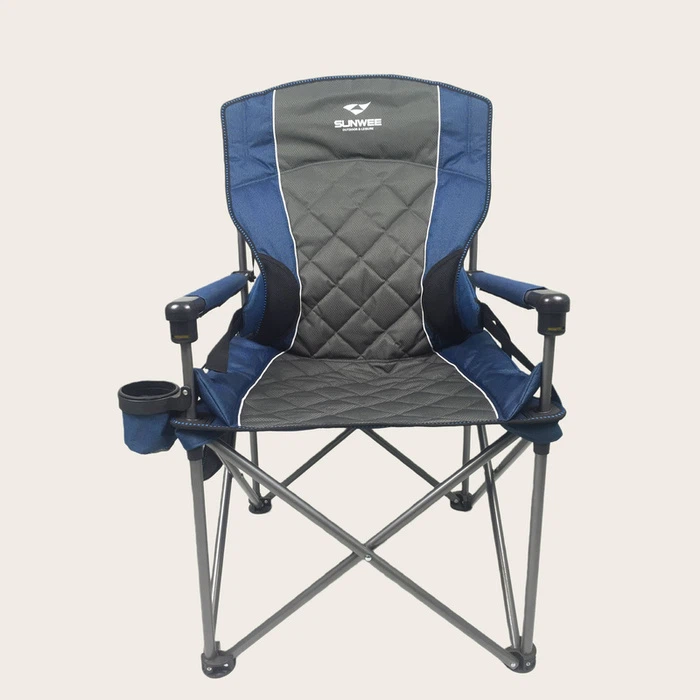
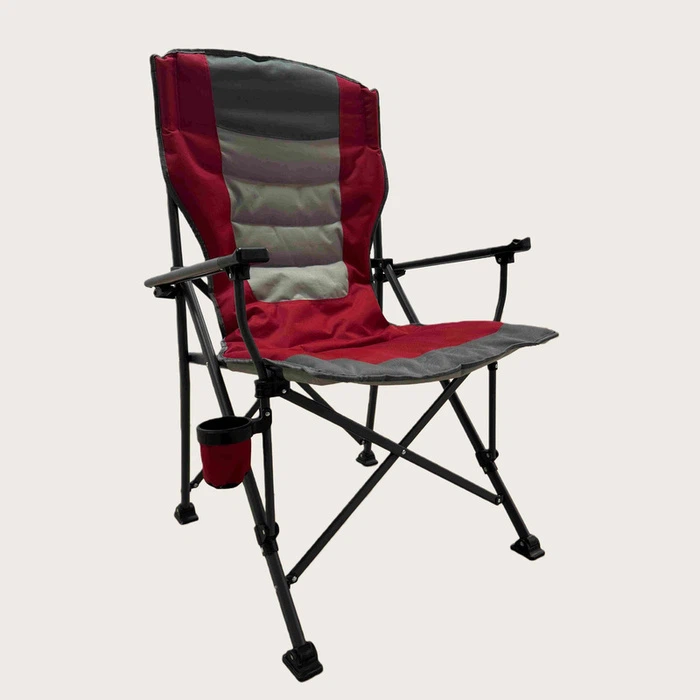
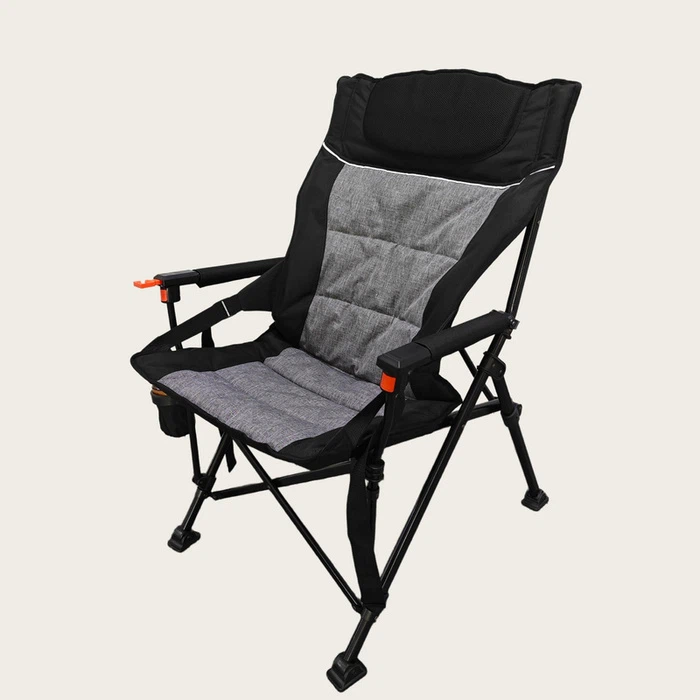
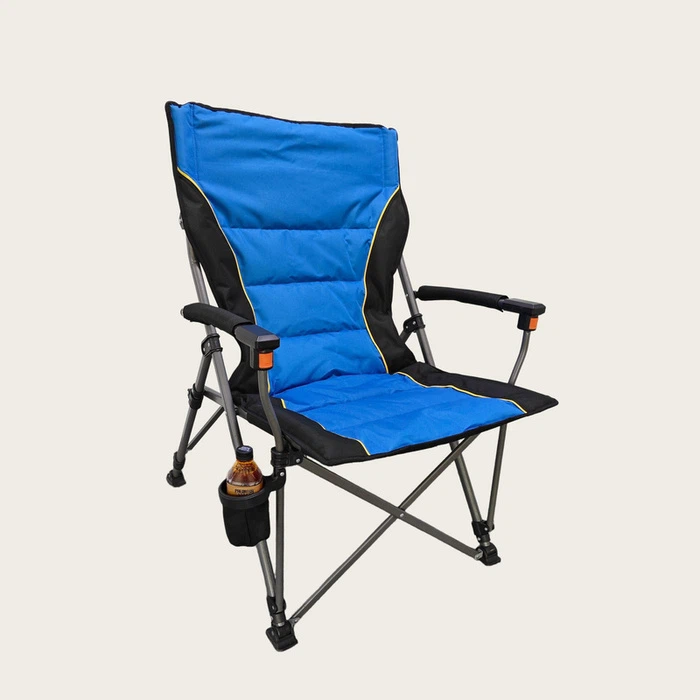
Managing production margins for a private label camping chair supplier requires a deep understanding of manufacturing tradeoffs. Many outdoor brands compromise structural integrity to hit a target price point, leading to increased defect rates, negative consumer reviews, and warranty claims. True camping chair cost control does not mean downgrading components blindly. Instead, it relies on strategic material selection, efficient engineering, and close alignment with an experienced custom camping chair manufacturer.
By analyzing the bill of materials (BOM) and optimizing engineering choices, brands can maintain high performance while eliminating unnecessary production expenses.
Primary Cost Drivers in Custom Camping Chair Production
To implement effective cost management, procurement teams must understand how specific components influence the total manufacturing cost of a Camping Chairs line.
1. Fabric Selection and Denier Rating
Fabric accounts for roughly 25% to 35% of a chair's total cost. The industry standard utilizes polyester fabric with varying denier (D) counts and coatings.
- 600D Oxford Fabric with PE/PVC Coating: The baseline for durable, heavy-duty applications. PVC backing increases water resistance but adds weight. Polyurethane (PU) coatings offer better flexibility and breathability at a slightly higher cost point.
- 300D or 400D Diamond Ripstop: Used for lightweight, compact trekking chairs. While fabric cost per meter is higher, the total material surface area is smaller, balancing the final product cost.
2. Frame Material, Wall Thickness, and Surface Finish
The structural frame represents the largest single expense in the BOM.
- Steel Tubing: Cost-effective and highly durable, making it ideal for a heavy duty armchair. However, it increases shipping weight and requires a high-quality powder-coated rust-resistant finish to prevent corrosion.
- Aluminum Alloys (6000 or 7000 series): Premium option for lightweight, premium models. 7075 aluminum alloy frame configurations provide the highest strength-to-weight ratio but increase raw material costs by 40% to 60% compared to steel.
- Wall Thickness: Reducing tube wall thickness from 1.2mm to 0.8mm drops material costs but severely undermines the weight capacity and structural safety margins.
3. Armrests, Accessories, and Integrated Features
Add-ons impact both material cost and labor assembly time:
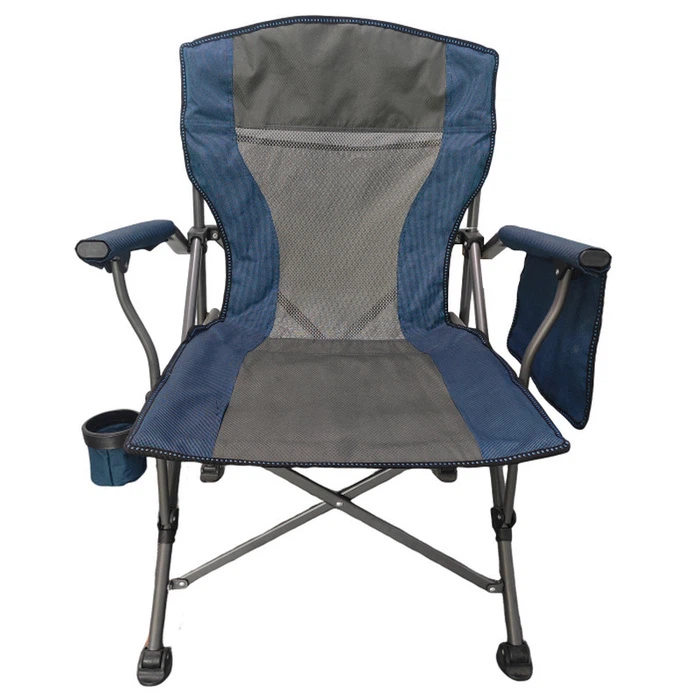
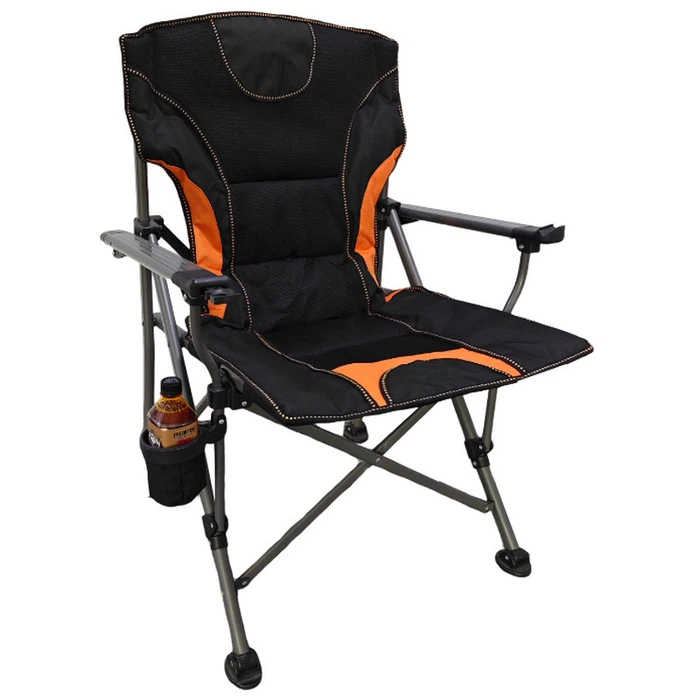
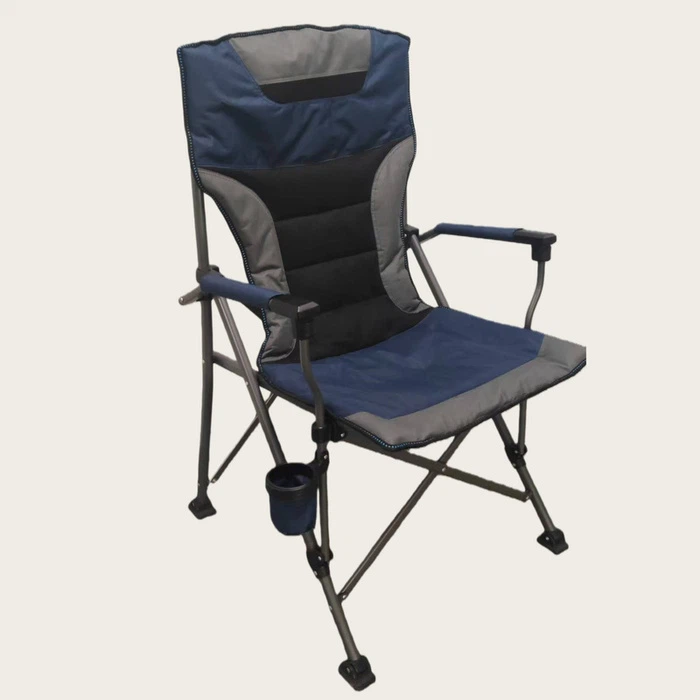
- Armrests: Hard plastic or padded fabric over steel tubes.
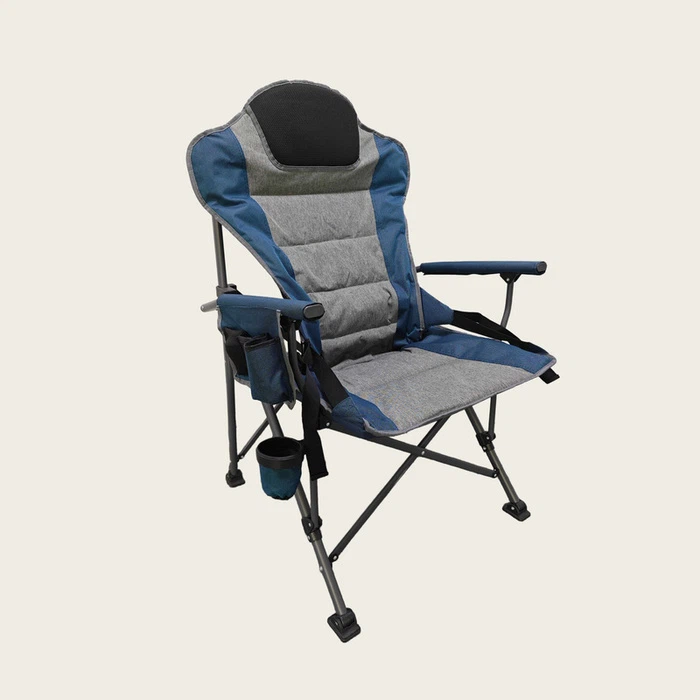
- Cup Holders & Side Pockets: Mesh pockets are cost-efficient; insulated, zippered side coolers add to sewing labor and material costs.
- Carry Bags: Substituting a 210D polyester carry bag for a 600D bag reduces overall package costs without affecting the structural integrity of the chair itself.
|
Component / Specification |
Entry-Level Choice |
Mid-Tier (Best Value) |
Premium / Heavy Duty |
|
Main Fabric |
600D Polyester (Single Layer) |
600D Oxford with Double Layer |
600D/1200D Ripstop + Padded Foam |
|
Frame Material |
Q195 Steel ($\phi$ 13-16mm) |
Q235 Carbon Steel ($\phi$ 16-19mm) |
7075 Aluminum Alloy |
|
Wall Thickness |
0.8mm |
1.0mm - 1.2mm |
1.2mm - 1.5mm |
|
Weight Capacity |
200 lbs |
300 lbs |
400 lbs - 500 lbs |
|
Joint Connectors |
Recycled PP Plastics |
Virgin Nylon (PA66) |
Reinforced Nylon + Steel Plates |
Structural Engineering and Frame Design Optimization
An experienced OEM camping chair factory can optimize structural geometry to lower costs without reducing material thickness.
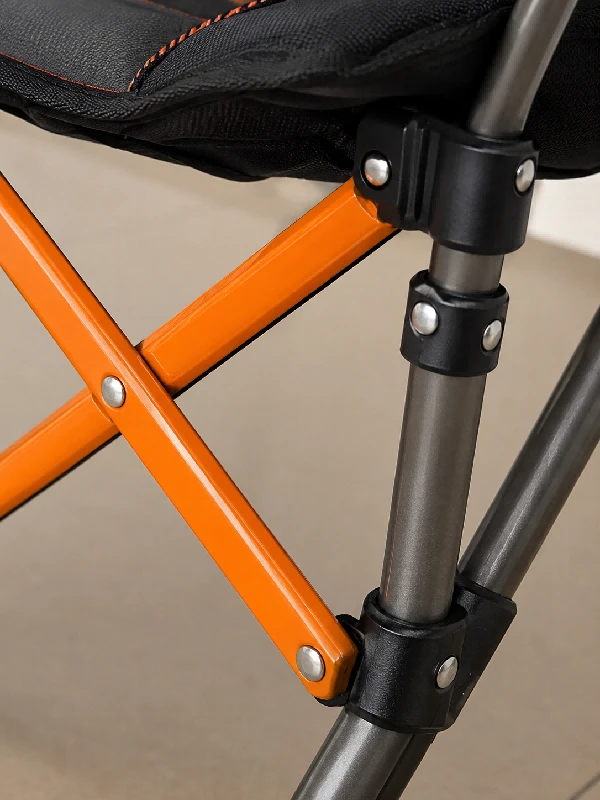
- Cross-Bracing Optimization: By strategically positioning steel reinforcement brackets at primary stress points, engineers can utilize a slightly smaller frame diameter ($\phi$ 16mm instead of $\phi$ 19mm) while preserving a weight capacity 300lbs rating.
- Component Standardization: Designing a product line that shares identical rivet sizes, molded plastic feet, and corner joints reduces tooling costs and speeds up assembly lines, lowering the overall unit cost.
- Reduction of Plastic Mold Complexity: Utilizing existing, open-mold plastic components instead of developing proprietary injection molds saves thousands of dollars in upfront development capital.
Implementing a Good / Better / Best Price Architecture
Outdoor brands can capture market share across different demographics by structuring their catalog into clear tier levels.
The "Good" Tier: High-Volume Retail
- Target: Budget-conscious consumers, promotional retail, high-volume seasonal sales.
- Specifications: Scissor-fold frame design, Q195 steel tubing ($\phi$16mm * 0.8mm), single-layer 600D Oxford fabric, mesh cup holder.
- Cost Strategy: Optimized for high loading capacity per container (CBM reduction via tight folding profiles) to minimize per-unit ocean freight costs.
The "Better" Tier: Core Outdoor Enthusiast
- Target: Core private label brands, camping specialty stores.
- Specifications: Q235 tempered steel frame ($\phi$19mm * 1.0mm), double-layer 600D Oxford fabric with padded lumbar support, reinforced virgin nylon feet, insulated cup holder.
- Cost Strategy: Balanced durability with mass-market pricing. Uses shared components from our established OEM & ODM Service platforms to bypass R&D overhead.
The "Best" Tier: Premium Heavy-Duty & Overlanding
- Target: Premium overlanding brands, professional outdoor retailers.
- Specifications: 7075 aluminum alloy frame, 1200D weather-resistant fabric, molded hard armrests, integrated storage systems, oversized pivoting feet for sand/mud stability.
- Cost Strategy: Focus shifts from absolute cost reduction to performance justification, utilizing premium material certifications (SGS/TUV) to support higher retail margins.
Critical Components Where Brands Must Never Cut Costs
Skimping on specific hidden components inevitably results in product failures, returns, and damage to brand reputation.
- Rivets and Pivot Pins: Low-grade, brittle iron rivets shear under dynamic loads. Sunwee utilizes solid steel rivets treated with anti-rust plating to ensure smooth folding cycles over years of operation.
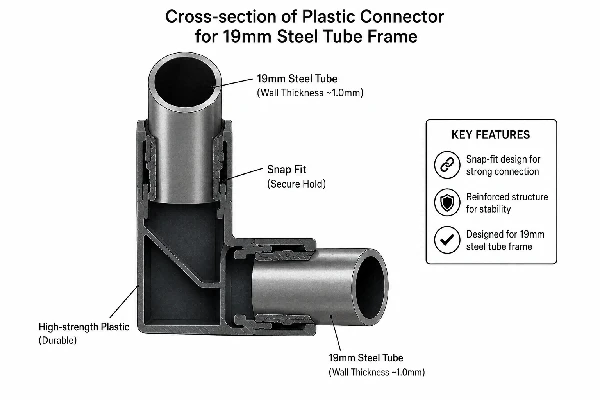
- Plastic Joint Material (Hubs): Cheap, recycled PVC plastics become brittle when exposed to UV radiation and cold temperatures. Industrial-grade virgin Nylon (PA66) maintains structural flexibility and prevents catastrophic frame collapse.
- Stress-Point Stitching: Corner pockets where the frame inserts into the fabric experience the highest tension. These areas require cross-tacked double-stitching and reinforced webbing layers. Cutting down on stitch count per inch is a common but dangerous cost-cutting practice.
How to Co-Develop Target-Price Products with Sunwee
Achieving your target production cost requires transparent collaboration during the initial product development cycle. At Sunwee, we execute a structured process to deliver optimal financial and structural outcomes:
- Submit a Target Cost & Performance Specification: Share your desired retail price, required weight capacity, and expected order volume.
- BOM Engineering Review: Our senior product engineers evaluate the design drawings to swap out non-critical premium components with cost-effective, standard alternatives.
- Prototyping & In-House Stress Testing: We build physical samples and run them through rigorous weight, drop, and salt-spray testing inside our ISO9001 and BSCI audited facility to verify durability before mass production.
- Logistics and Packaging Optimization: We modify the master carton layout and chair folding dimensions to maximize container utilization, directly lowering land and sea logistics costs.
Maintaining rigorous Quality Control while managing factory floor costs is achieved through intelligent engineering, component standardization, and deep manufacturing expertise.
Product-Specific FAQ
Q: What is the precise difference in weight capacity and cost between your Q195 and Q235 steel frames?
A: Q235 steel features a higher carbon content and yield strength than Q195. Moving from a Q195 frame ($\phi$16mm * 0.8mm) to a Q235 frame ($\phi$16mm * 1.0mm) increases raw material costs by roughly 12-15%, but safely raises the structural weight rating from 200 lbs to 300 lbs.
Q: How does your factory ensure the 600D Oxford fabric won't tear at the frame connection points over time?
A: We reinforce all high-stress corner pockets with triple-layer polyester webbing and secure them using a computerized, automated cross-tack double-stitching pattern. This distribution of mechanical stress prevents fabric elongation and tearing at the frame insertion points under maximum weight loads.
Q: Can we substitute custom-molded plastic feet with your standard open-mold options to reduce tooling expenses?
A: Yes. Sunwee maintains over 40 sets of proprietary, open-mold virgin nylon feet and joint connectors tailored for different tube diameters ($\phi$13mm to $\phi$22mm). Utilizing our existing tooling eliminates custom injection mold engineering fees, saving your project between $3,000 and $8,000 in upfront costs.