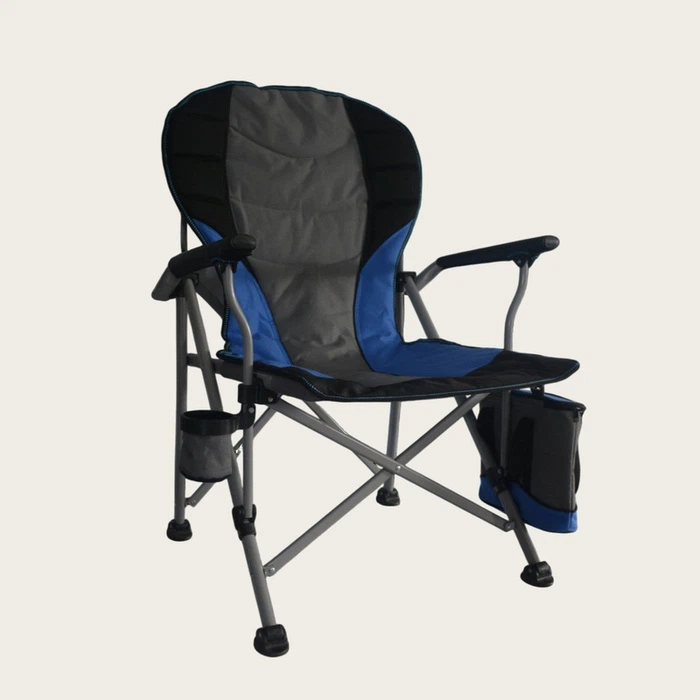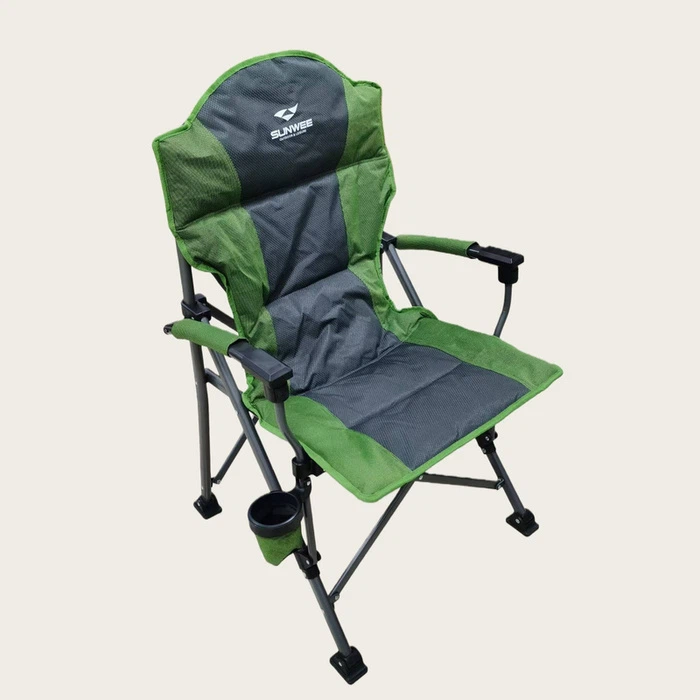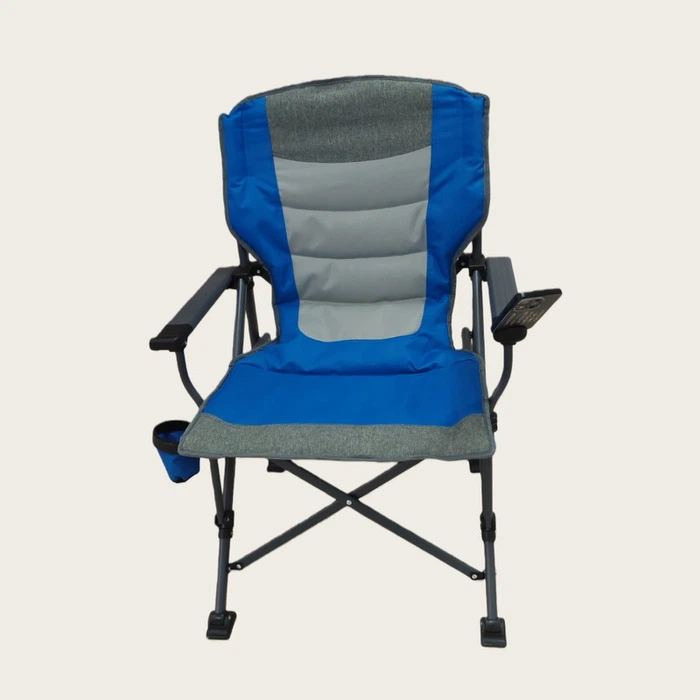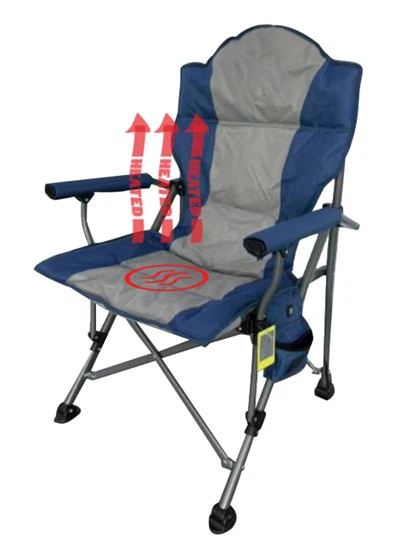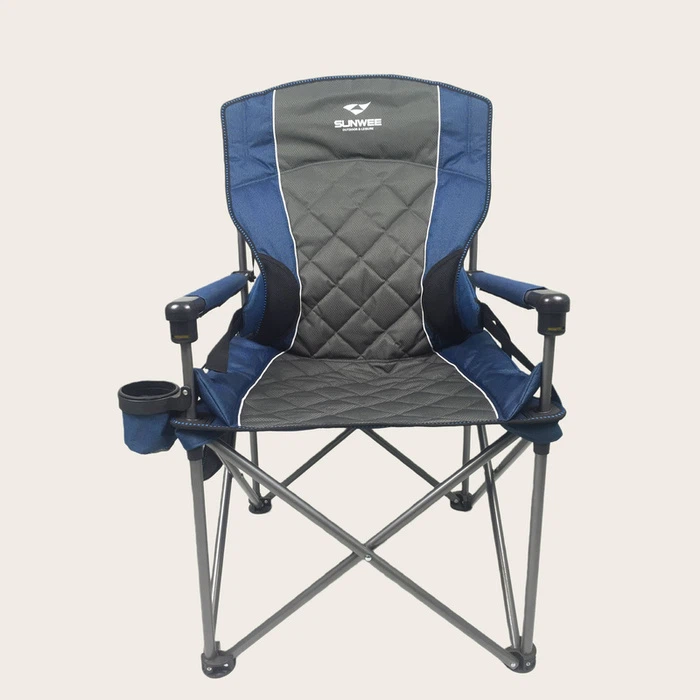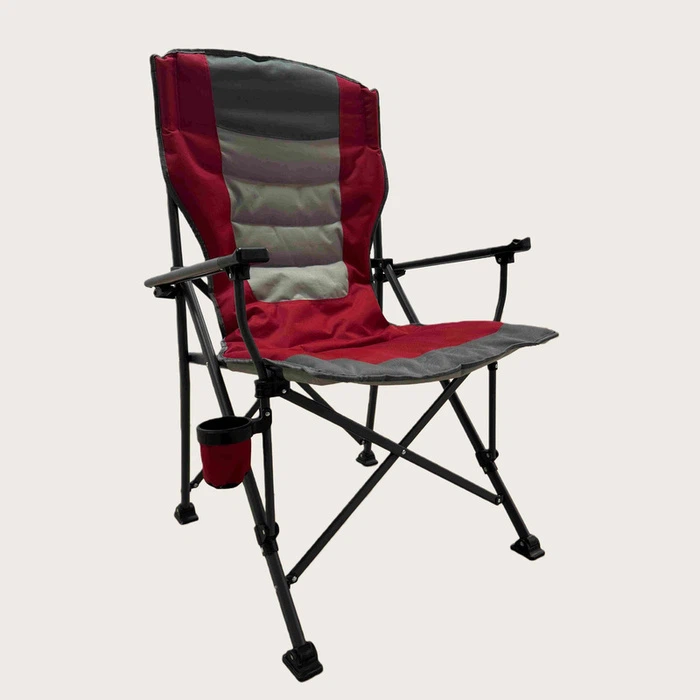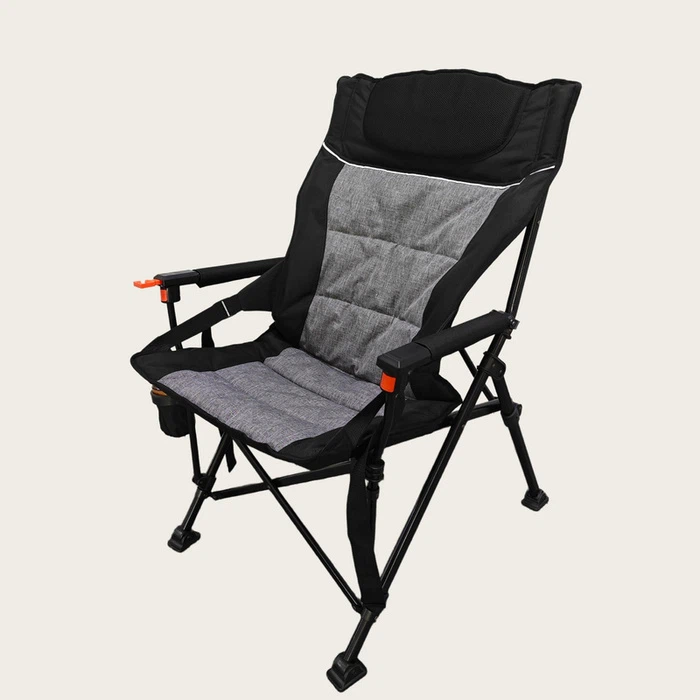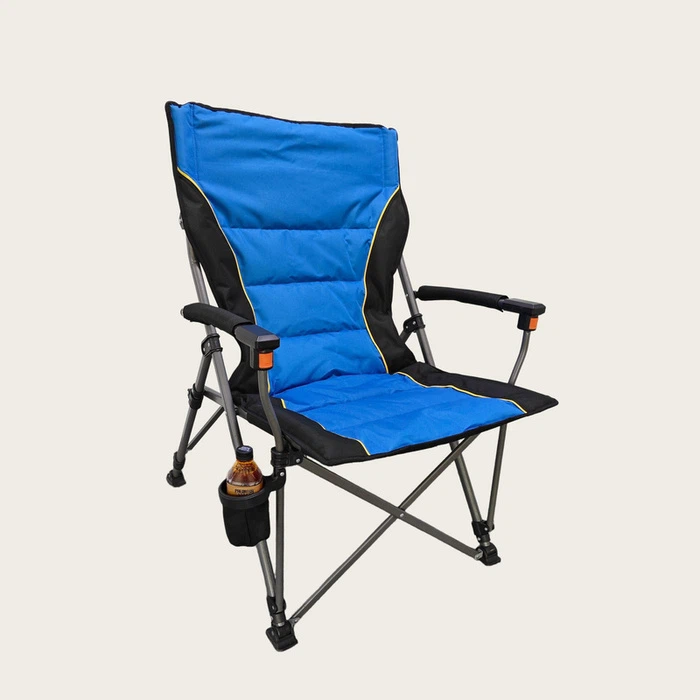
Selecting a qualified camping cot manufacturer requires a rigorous evaluation of engineering precision, metallurgy, and high-volume production metrics. For overseas brand owners, military contractors, and disaster relief procurement managers, the structural specifications of a folding cot directly dictate its field performance and commercial viability. As an established OEM & ODM Service provider and OEM camping cot supplier operating since 1997, Fujian Sunwee Outdoor Co., Ltd. manufactures technical outdoor furniture within an ISO9001 and BSCI audited facility. This engineering guide details the precise frame geometries, textile properties, testing standards, and packaging calculations required to execute high-volume manufacturing programs successfully.
Primary Sourcing Channels and Structural Demands
Industrial procurement of outdoor folding cots spans four distinct commercial channels, each requiring specific manufacturing parameters to meet end-user environments:
- Professional Outdoor Brands: These entities demand optimized weight-to-strength ratios, minimal pack size volume, and custom brand aesthetics. Products require extensive design integration via factory R & D teams to align with premium consumer expectations.
- Military and Tactical Supply Chains: Defense contractors require strict adherence to dimensional tolerances, low-reflectivity coatings, and maximum durability. Frame designs must utilize heavy-duty metal gauges and solid steel rivets to survive field operations.
- Disaster Relief and Emergency Management: Government agencies and non-governmental organizations look for fast deployment structures, high-density stackability, and optimal cost efficiency per unit. Procurement requires extreme manufacturing scalability and reliable factory production schedules.
- Volume Retailers and Hypermarkets: Mass-market distributors focus entirely on target cost-per-unit metrics and container layout optimization. Reducing the overall package volume is necessary to maintain high margins while absorbing international freight costs.
Sourcing Criteria for a Folding Camping Cot Factory: Frame, Fabric, and Joints
Developing a commercial outdoor cot requires precise material matching. Structural failures usually stem from miscalculated wall thicknesses or poor composite selections in high-stress zones.
Frame Metallurgy and Structural Tubing
- 7075-T6 Aluminum Alloy: This aircraft-grade aluminum alloy delivers tensile strengths up to 572 MPa while maintaining a low specific gravity (2.81 g/cm³). It is the standard selection for technical, ultra-light backpacking cots. Wall thicknesses range between 1.2mm and 1.5mm, paired with an anodized surface treatment for oxidation resistance.
- Q235 Carbon Steel: Possessing a yield strength of 235 MPa, carbon steel provides high rigidity and weight-bearing stability at a lower raw material cost. Tubing diameters range from 19mm to 25mm, with wall thicknesses between 1.0mm and 1.5mm. Steel frames must receive an electrostatic, thermosetting powder-coated rust-resistant finish to protect against moisture-induced oxidation.

Logistics Optimization: Packaging Dimensions, CBM, and Container Loading
Ocean freight expenses heavily impact the final landed cost of camping cot wholesale shipments. Optimizing carton layout and reducing loose spatial margins is a core engineering objective.
- Folded Configuration Design: Utilizing a tri-fold or quad-fold layout collapses the frame geometry to minimal dimensions. Technical cots utilize detachable legs to achieve ultra-compact dimensions suitable for small retail packaging.
- Outer Packaging Specifications: Products are enclosed in individual 210D or 600D polyester carry bags before being packed into 5-ply double-wall corrugated master export cartons.
- Container Volume Loading Calculations: Sourcing agents must calculate exact carton dimensions to eliminate dead space within a 40-foot High Cube (40' HQ) container.
|
Cot Structural Type |
Folded Dimensions (cm) |
Master Carton Size (cm) |
Units per Carton |
Carton CBM |
40' HQ Container Capacity |
|
Classic Military X-Frame (Steel) |
95 x 20 x 12 |
97 x 25 x 38 |
3 Units |
0.092 |
2,150 Units |
|
Standard Tri-Fold (Aluminum) |
70 x 60 x 15 |
72 x 62 x 32 |
2 Units |
0.142 |
950 Units |
|
Ultralight Compact (7075 Alum) |
38 x 15 x 15 |
40 x 32 x 47 |
6 Units |
0.060 |
6,800 Units |
Strategic Tiering: Product Engineering for Targeted Wholesale Price Brackets
Fujian Sunwee Outdoor Co., Ltd. configures products to hit specific market prices through structured material adjustments without compromising fundamental structural safety.

Value Tier (Target FOB: $12.00 - $18.00)
Engineered for hypermarket promotions, high-volume retail events, and humanitarian relief sourcing. It utilizes a reliable cross-leg steel frame paired with standard 600D Oxford fabric and cost-effective outer packaging to maximize shipping density.
Mid-Tier Baseline (Target FOB: $22.00 - $35.00)
Engineered for traditional outdoor retailers and established brand catalogs. This specification introduces standard 6061 aluminum tubing, heavy-duty 600D PU-coated fabric, reinforced PA66 nylon joints, integrated side gear pockets, and a padded carry bag with shoulder straps.
Premium / Technical Tier (Target FOB: $45.00+)
Engineered for high-end technical outdoor brands specializing in overlanding and lightweight backpacking gear. It features a high-tensile 7075 aluminum alloy frame, custom anodizing, 900D Ripstop fabric, a mechanical lever-locking tension system, and an ultra-compact zippered storage case.
Sourcing Technical Checklist: Information Required for Factory RFQs
To accelerate the development process and minimize quotation revisions, sourcing managers should prepare an initial Request for Quotation (RFQ) file detailing the following engineering constraints:
- Dimensional Boundaries: Target unfolded footprint (Length x Width x Bed Height) and maximum allowable folded package size.
- Target Weight Capacity: Required operational rating (e.g., static load rating of 300 lbs vs. 500 lbs).
- Compliance Mandates: Mandatory factory qualifications and destination market chemical testing requirements (REACH, California Proposition 65, or RoHS).
- Branding and Graphics: Silk-screen placement data, woven labels, customized embroidery parameters, and carton printing specifications.
- Logistical Timeline: Estimated Annual Volume (EAV), first-run target order volume (MOQ), and requested shipping port (FOB Xiamen or Fuzhou).
Frequently Asked Questions
Q: How do you prevent the 600D Oxford fabric from sagging under a continuous 300 lbs load?
A: We integrate high-density reinforcing webbing along the longitudinal stress zones and utilize a double-stitched matrix with heavy-duty nylon thread. Our fabric undergoes pre-stretching protocols during cutting to minimize structural elongation to less than 2% over extended field deployment.
Q: What wall thickness do you use on your 7075 aluminum frame cots to prevent tube buckling?
A: For technical backpacking cots, we specify a minimum wall thickness of 1.2mm for core structural rails and 1.5mm for high-torque corner leg junctions. Every batch of 7075-T6 aluminum undergoes rigorous destructive tensile strength testing before extrusion.
Q: How does your factory ensure the powder-coated finish on steel cots resists rust in coastal environments?
A: Our automated pre-treatment line executes a 7-stage phosphating process to completely remove surface oil and oxides. We then apply an electrostatically charged, architectural-grade polyester powder coating baked at 200°C, passing a 72-hour ASTM B117 salt spray test.
CTA: Send us your tech pack or design drawings for rapid OEM/ODM sampling and bulk pricing.