Commercial Applications and Market Segment Demands

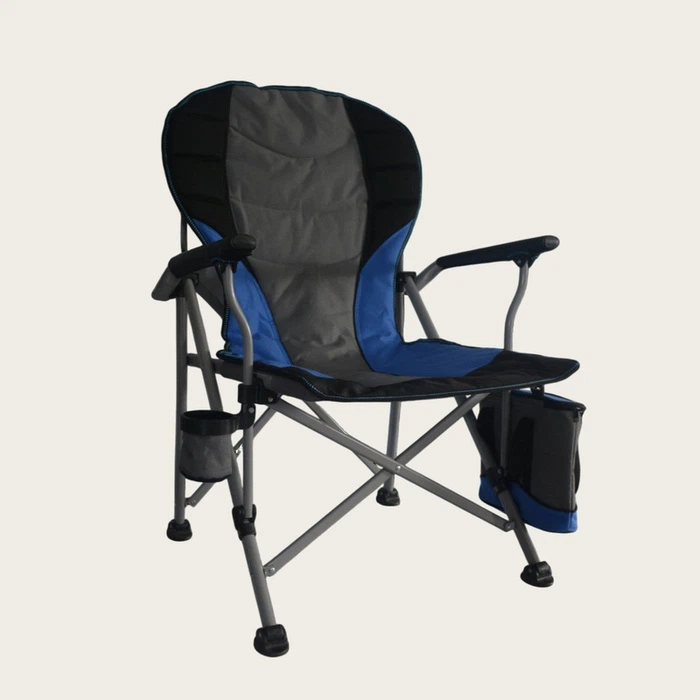
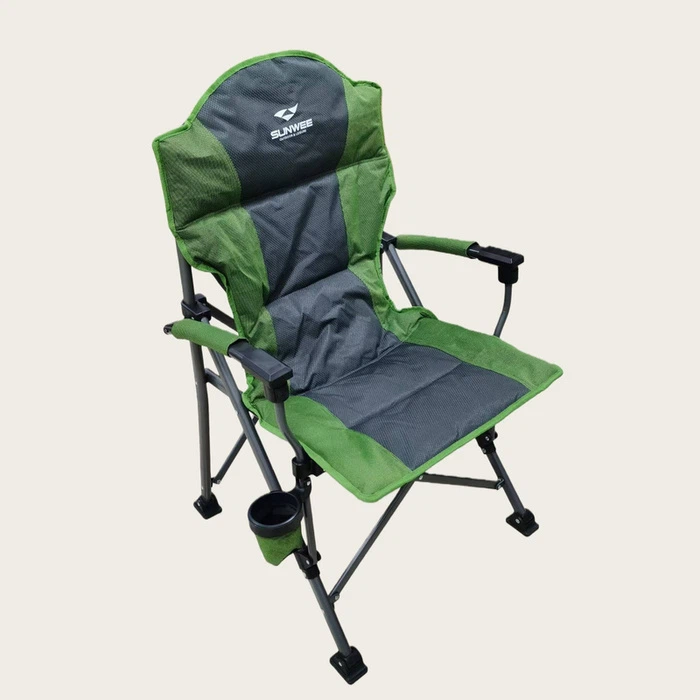
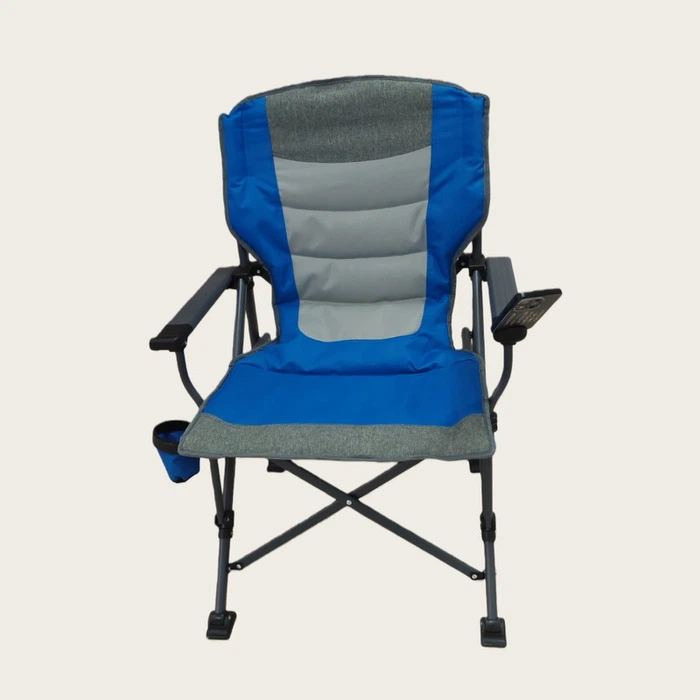
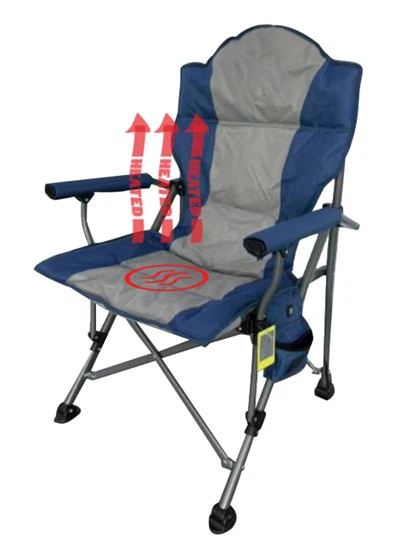
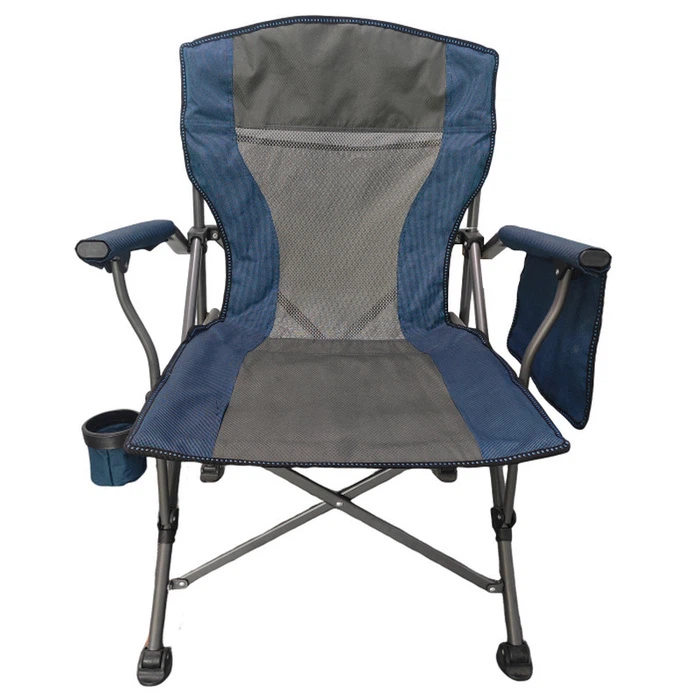
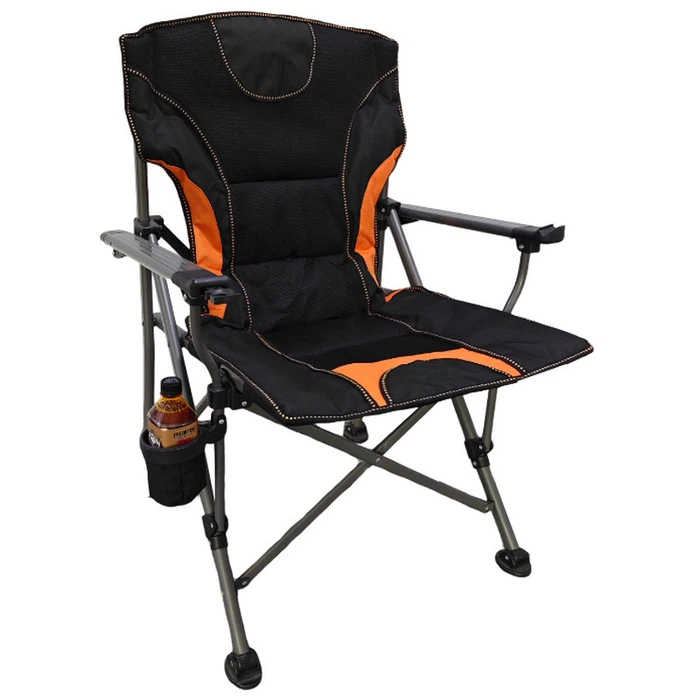
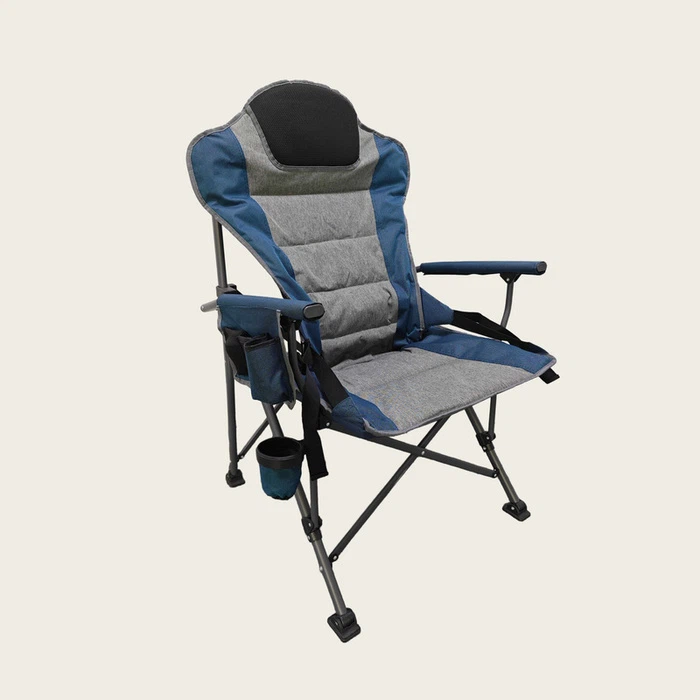
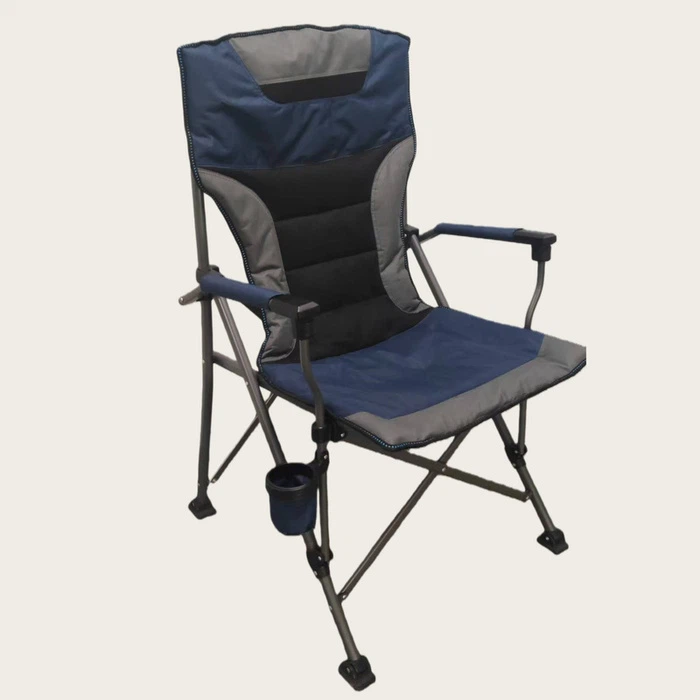
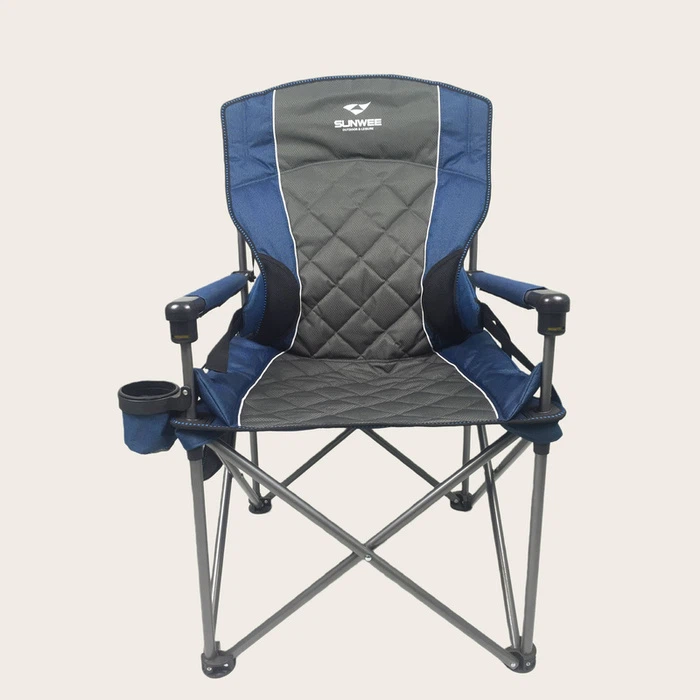
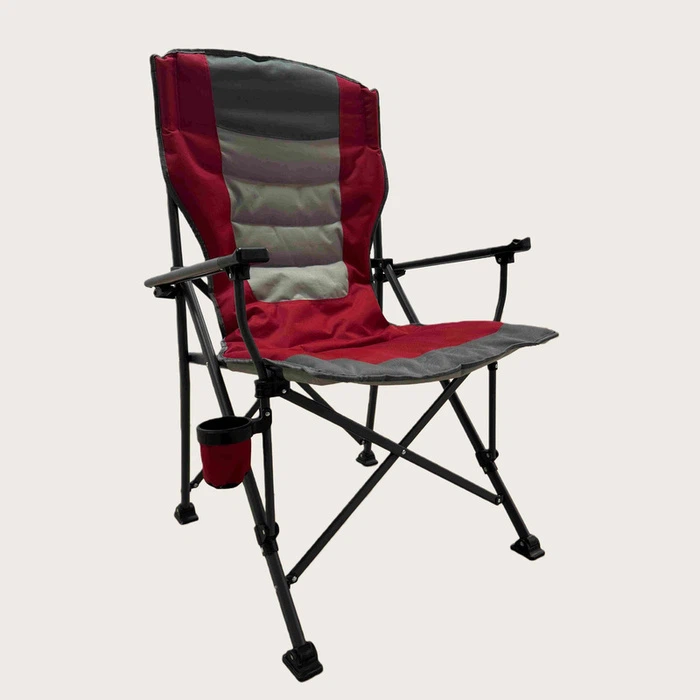
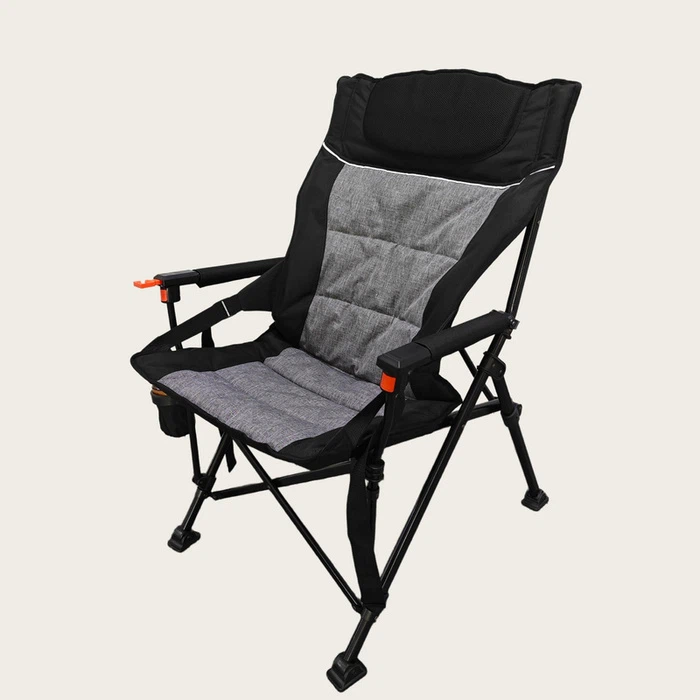
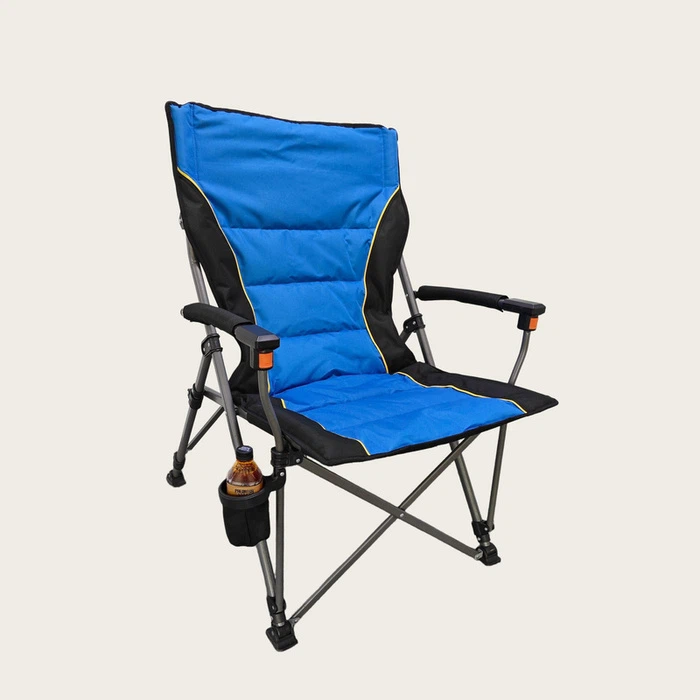
High-capacity retail deployment requires strict engineering and reliable manufacturing partners. For big-box retailers and outdoor brands, adding an extra-large model to a product lineup involves managing load distributions, material fatigue variables, and container utilization constraints. As an established oversized camping chair manufacturer, Fujian Sunwee Outdoor Co., Ltd uses its 29-year production foundation and ISO9001 certified facility to supply industrial-grade products directly from the source. Outdoor brands face significant warranty risks if structural engineering does not match actual usage. This guide breaks down the critical technical metrics, custom configurations, and compliance requirements needed when sourcing high-volume, private label heavy-duty seating solutions.
The consumer market for heavy-duty furniture has shifted from specialized niche products to standard inventory for major retail lines. Enterprise buyers require product configurations that withstand tough field conditions while maintaining cost-effective shipping volumes. Our manufacturing experience reveals two distinct high-volume market segments for extra-large structures:
- Big-Box Superstores & Mass Merchandisers: Focus heavily on standardized testing certifications, structural durability, retail-ready packaging compliance, and competitive Free on Board (FOB) pricing margins.
- Premium Outdoor & Premium Private Label Brands: Demand custom color palettes, specialized textile coatings, integrated functional accessories, and advanced ergonomic frame geometry.
Dimensional Customization: Engineering Frame Geometry for Load Balancing
Scaling a standard folding seat into an oversized variant requires total frame re-engineering rather than simply widening the fabric. As an experienced OEM camping chair supplier, we modify four critical structural dimensions to maintain safety under high loads:
1. Seat Width and Effective Clearance
Standard seating options provide a width of 50 to 55 cm. True heavy-duty versions require an effective seat clearance between 60 cm and 68 cm. This expansion alters the leverage forces exerted on the pivot links, requiring thicker steel walls or specialized support gussets to prevent bowing.
2. Seat Depth and Front-Edge Tension
Increasing the depth to 55–60 cm ensures proper ergonomic weight distribution across the user's thighs. Our engineering team controls front-edge fabric tension to prevent material sagging, which can cause frame contact and increase fabric shear stress near the front corner moldings.
3. Backrest Height and Mechanical Leverage
An extended backrest height of 95 cm to 105 cm requires precise structural anchoring. Because longer vertical tubes act as levers, a high backrest exerts significant torque on the lower rear joints. We counteract this force by installing reinforced steel brackets and stabilizer bars on our Heavy Duty Armchair models.
4. Armrest Architecture and Load Deflection
Standard fabric armrests are insufficient for large-capacity models. We engineer adjustable fabric webbing designs backed by high-tensile internal steel rods, or use solid, injection-molded plastic armrests fixed directly to the frame matrix. This guarantees the armrests can bear significant downward force when a user stands up.
Material Configurations and Raw Material Specifications
Raw material selection directly impacts a product's field lifespan, warranty claim rates, and bulk production pricing. Material specifications must be explicitly detailed to ensure predictable performance under heavy loads.
|
Component Type |
Standard Sourcing Specification |
Premium Heavy-Duty Alternative |
Mechanical Performance Impact |
|
Main Frame Tubing |
Q195 Carbon Steel, 19mm x 1.0mm |
Q235 High-Tensile Steel, 22mm x 1.2mm |
Increases structural yield strength; raises weight rating up to 400 lbs. |
|
Textile Base |
600D Single-Layer Polyester PVC |
600D * 300D Double-Layer Oxford PU |
Eliminates fabric stretching; improves puncture and tear resistance. |
|
Internal Padding |
None (Single Layer Fabric) |
Open-Cell EPE Foam, 120g/m² |
Enhances lumbar support and thermal insulation properties. |
|
Joint Componentry |
Recycled PP Compound Plastic |
100% Virgin PA66 Nylon Blocks |
Prevents cold-weather cracking and high-temperature stress failure. |
|
Hardware Connections |
Standard Zinc-Plated Rivets |
Solid Aircraft-Grade Steel Rivets |
Maximizes shear resistance across main scissor-pivot points. |
When selecting the frame metal, material weight must be balanced against ultimate weight capacities. High-tensile steel frames finished with a powder-coated rust-resistant finish offer maximum rigidity at a competitive price point. For premium brands prioritizing weight reduction, a 7075 aluminum alloy frame reduces overall product weight by up to 35% while maintaining excellent structural stability.

Packaging Optimization and Container Loading Logistics
Because extra-large models require more physical space, optimizing packed dimensions is crucial for protecting retail profit margins against high ocean freight costs. Our R & D team works closely with logistics planners to reduce Cubic Meters (CBM) per unit through smart frame folding layouts.
Quad-Folding Frame Configurations
Scissor-action joints allow the chair to compress symmetrically along its X and Y axes. This design packs neatly into a slim, cylindrical carry bag, which maximizes pallet densities and container space.
Flat-Folding Frame Configurations
Models featuring solid armrests or rigid structural bases must fold flat. While these require a larger flat surface area, their slim packing profiles make them ideal for direct stacking on retail pallets or in retail displays.
We perform precise calculation models to maximize total box counts per shipping container. For instance, modifying a product's packed dimensions by just 1.5 cm can increase a 40' HQ container's capacity by up to 120 units, significantly lowering the landed cost per item for procurement teams.
Retail Compliance and Distribution Specifications
Entering international retail channels requires strict adherence to supply chain compliance standards. A professional custom camping chair factory must guarantee that all products, packaging, and marking systems meet these retail standards before shipment leaves the factory floor:
- Barcode Integrity and Labeling: GS1-compliant ITF-14 master carton barcodes and retail-level UPC/EAN symbols must be printed clearly, ensuring scan accuracy rates of 100% at automated distribution hubs.
- Regulatory Documentation: Instruction booklets, safety insert cards, and warning labels must comply with target market laws, such as US California Proposition 65 or EU REACH regulations.
- Outer Packaging Construction: Outer shipping cartons are engineered to double-wall ISTA 1A or 2A drop-test specifications, preventing box splitting or product damage during long transit cycles.
Sample Verification and Bulk Manufacturing Consistency
To ensure consistent quality across large production runs, Sunwee coordinates a rigorous multi-tier inspection program overseen by our dedicated Quality Control team:
- Technical Prototype Approval: Before production setup, we issue a pre-production sample to verify dimensions, stitching tolerances, and raw material specs against the client's engineering brief.
- Raw Material Batch Testing: Incoming shipments of steel tubing and synthetic fabrics undergo rigorous verification, including spectrometers for alloy purity and thickness gauges for wall tolerances.
- Inline Stress Testing: Randomly sampled production units are placed into automated pneumatic jigs to complete 5,000 cyclic drop-and-load tests, ensuring long-term frame reliability.
Product-Trait Based FAQ
Q: What specific reinforcement prevents structural failure at the primary cross-joints on your extra-large folding chairs?
A: We install 2.0mm thick steel reinforcement plates directly over the main scissor pivots and use solid aircraft-grade rivets instead of hollow pins. This configuration resists high shear forces and prevents frame deformation under sudden weight transfers.
Q: What hydrostatic head rating does your double-layer 600D fabric feature to ensure outdoor durability?
A: Our heavy-duty 600D*300D Oxford fabric is backed with a specialized polyurethane (PU) coating that achieves a minimum hydrostatic head rating of 1200mm, delivering reliable water resistance and preventing fiber rot over extended outdoor deployments.
Q: How does your factory guarantee tube wall thickness consistency across a 10,000-unit bulk order?
A: We source raw steel exclusively from Tier-1 mills with certified metallurgical profiles. Our factory quality control team utilizes digital ultrasonic thickness gauges to test every incoming coil batch, rejecting any material that falls below our strict 1.2mm nominal threshold.