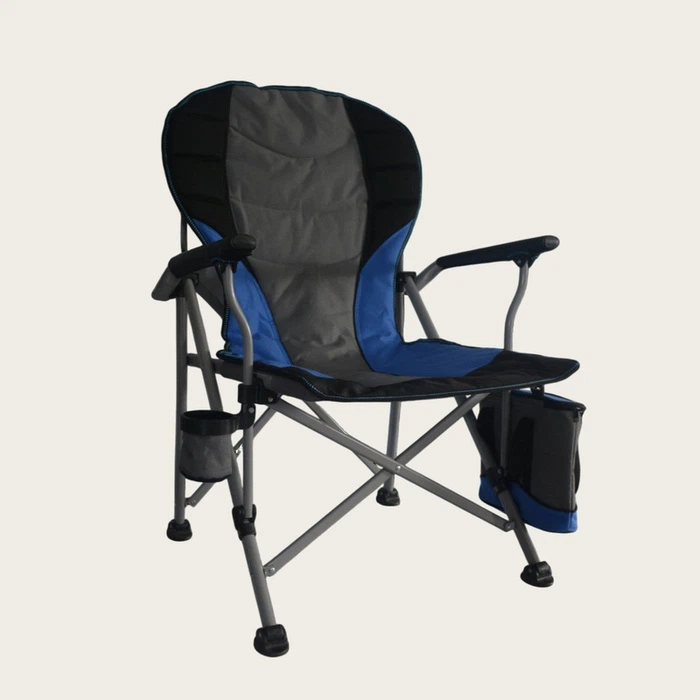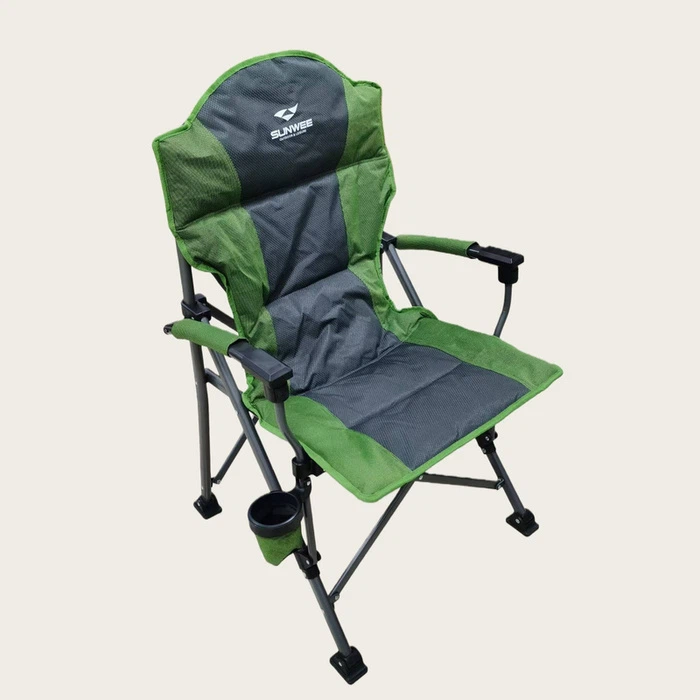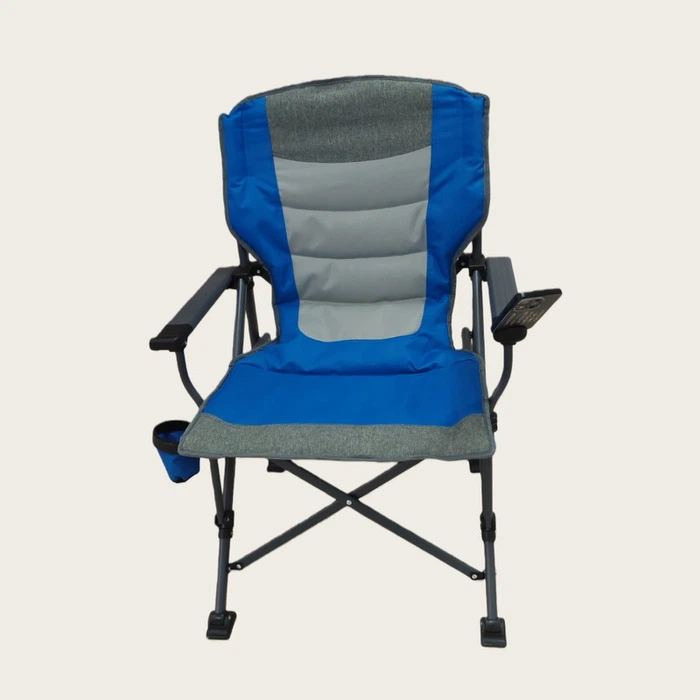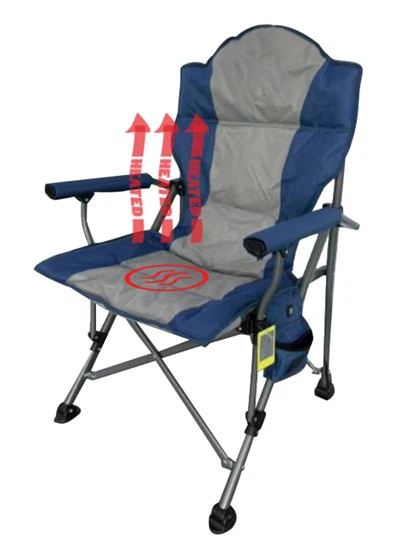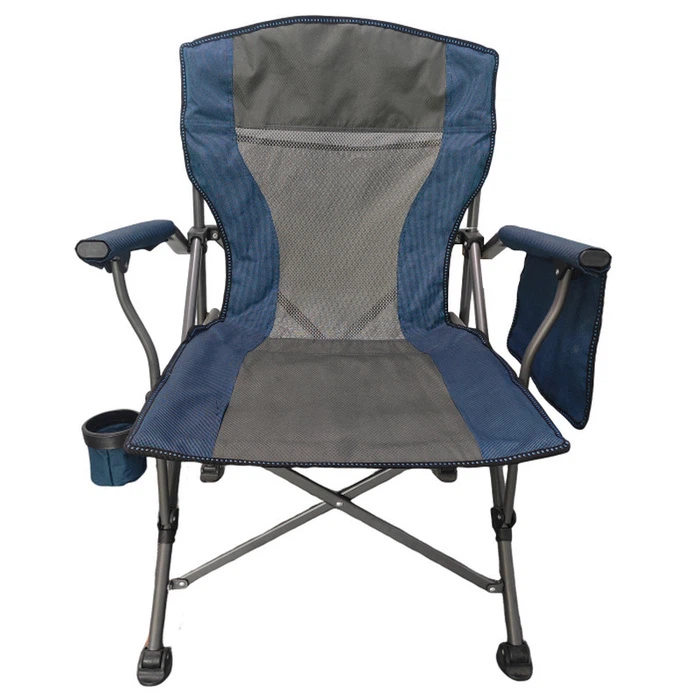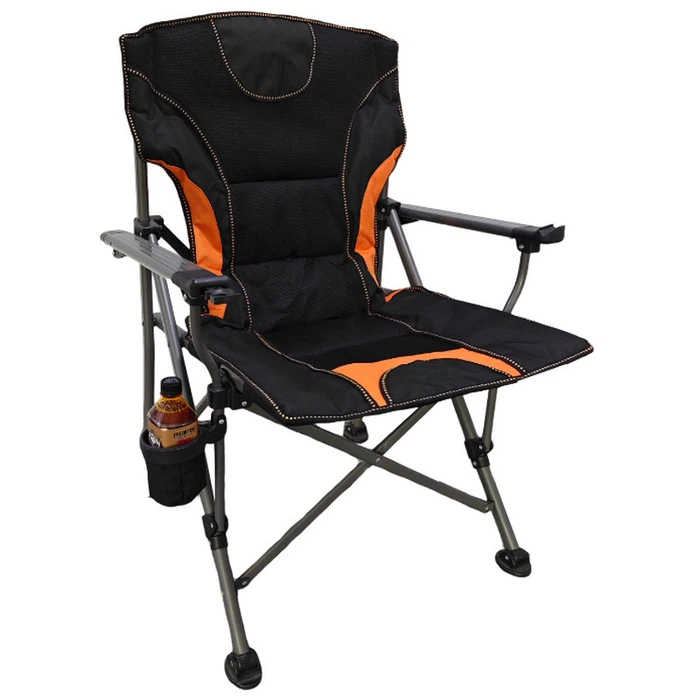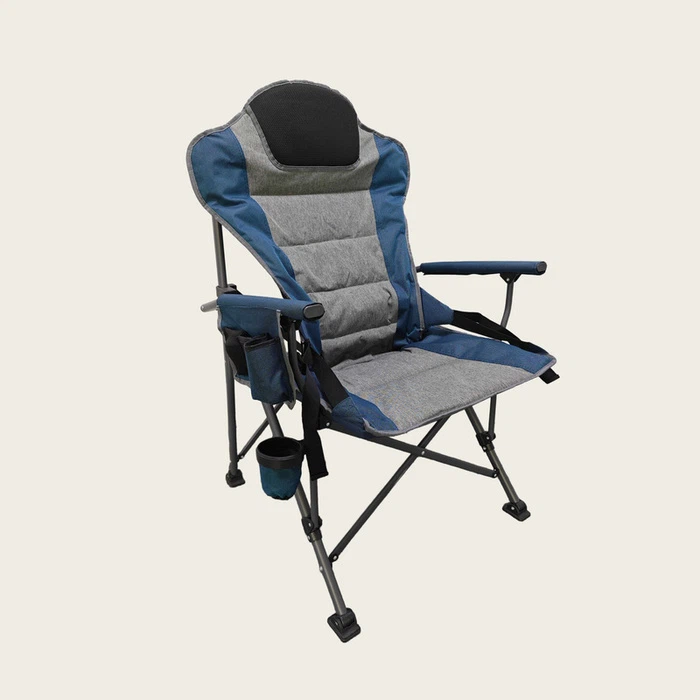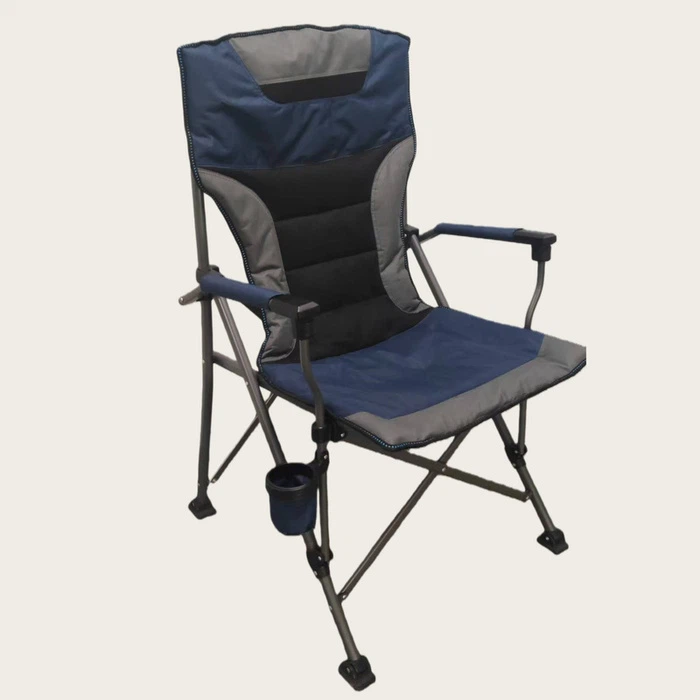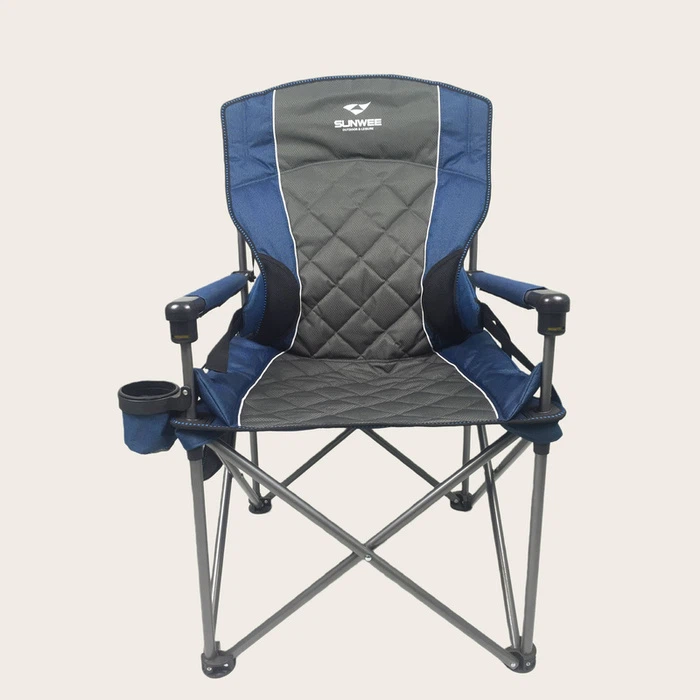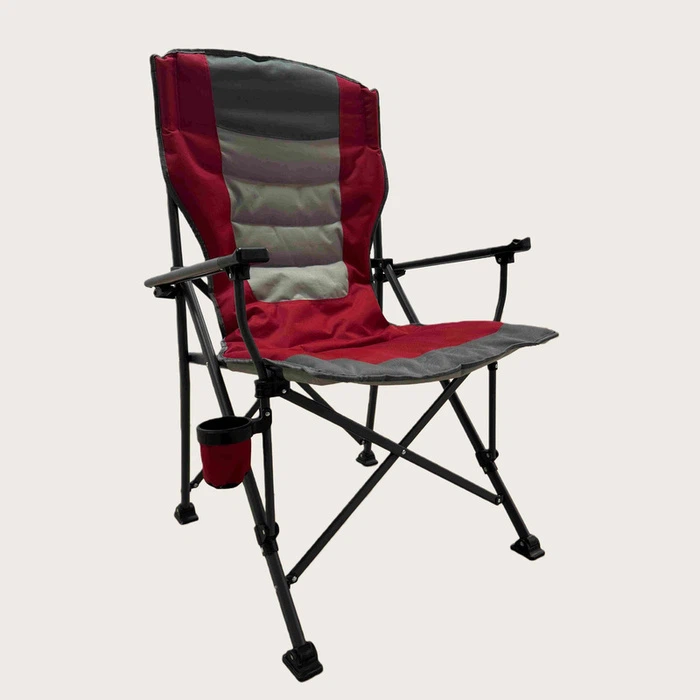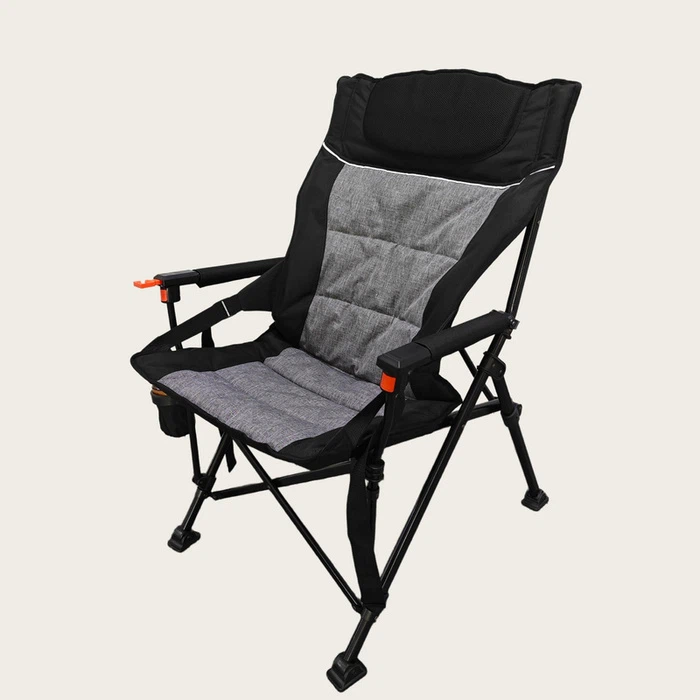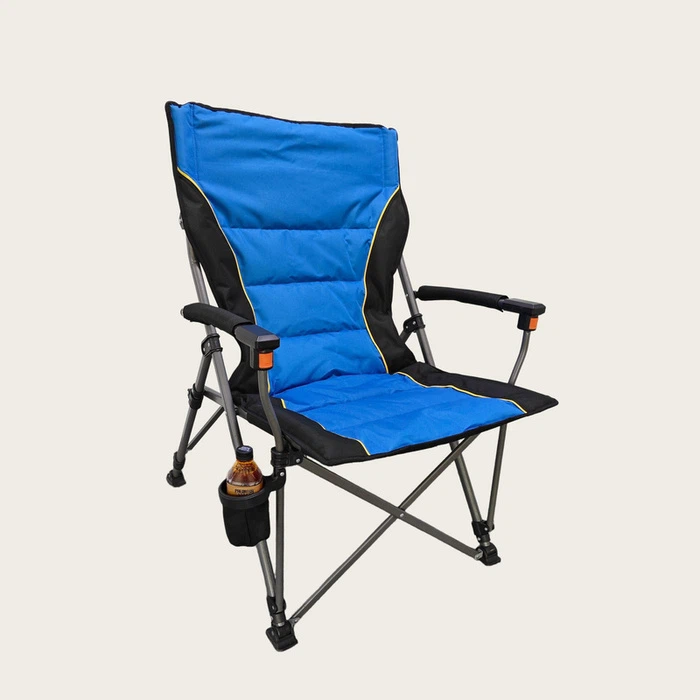

Lightweight camping chair care directly impacts unit return rates and retailer margin. Chairs built with 7075 aluminum alloy frames and 600D Oxford fabric shells sacrifice structural mass to hit sub-2.5kg targets. That weight reduction shifts stress concentration to hinge points and seam lines. Without systematic outdoor chair maintenance, batch defect rates climb. Sunwee's QC data from 2024 shows that 68% of lightweight chair returns stem from fabric mold, frame micro-bending from incorrect stacking, and oxidation in carry bags stored in damp containers. This guide maps factory-verified cleaning, drying, and storage protocols for Camping Chairs and Light Weight Chairs destined for retail floors.
Lightweight Camping Chair Care: Why Weight Reduction Complicates Maintenance
A standard steel-frame director's chair weighs 4.5–6.0kg and uses 22mm x 1.2mm wall tubing. A lightweight camping chair targeting the backpacking segment drops to 1.8–2.5kg using 16mm x 0.8mm 7075 aluminum alloy or 13mm x 0.6mm thin-wall steel. The fabric shifts from 800D to 600D Oxford with PVC backing or ripstop nylon to cut grams. These material choices perform under rated static loads-typically 120kg to 150kg per EN 581-2-but degrade faster when exposed to moisture, UV, and abrasive storage.
The core issue: reduced material tolerance leaves zero margin for error. A 0.8mm aluminum tube develops micro-fractures if stored under lateral pressure. 600D Oxford loses its PU coating integrity when folded while damp. Retailers moving volume through Camping Chairs SKUs need documented care protocols to protect sell-through rates.
Folding Camping Chair Cleaning: Fabric Protocols by Material Grade
600D Oxford with PVC Backing: Spot-Clean Protocol
Remove loose dirt with a soft-bristle brush. Mix 5L warm water (≤40°C) with 30ml mild detergent. Submerge the fabric shell only if the manufacturer specifies full immersion-Sunwee's 600D Oxford shells use double-stitched seams with sealed thread, but prolonged soaking weakens the PVC backing adhesive. Spot-clean with a microfiber cloth for localized stains. Rinse with clean water. Hang vertically with the seat base facing down to allow drainage from the hem channels. Drying time: 4–6 hours at 20°C ambient, 60% RH. Folding the chair while moisture remains in the hem channel guarantees mold colonization within 72 hours.
Mesh and Ripstop Nylon: Salt Residue Removal
Mesh inserts on lightweight camping chairs trap sweat and salt residue. Use a 1:10 vinegar-water solution to dissolve salt without degrading the elastomer coating. Never apply bleach or ammonia-based cleaners-both break down the PU waterproof layer on ripstop nylon. Air-dry only; machine dryers set above 40°C shrink nylon weave density and compromise tensile strength. Salt crystals left in mesh pores act as abrasive grit during fold cycles, accelerating fabric wear at rivet contact points.
Frame Protection for 7075 Aluminum and Thin-Wall Steel Tubes
Anti-Scratch Handling and Load Distribution
7075 aluminum alloy ranks high for strength-to-weight but scratches easily. Once the anodized layer (typically 8–12μm on Sunwee frames) is breached, oxidation propagates at the scratch base. Warehouse operators and end-users must:
- Store chairs in the original carry bag with frame tubes parallel to the bag's long axis
- Never stack more than 6 units vertically without pallet support; point loads from stacking crush 16mm thin-wall tubes
- Avoid dragging folded chairs across concrete; grit embeds in the powder-coated finish and accelerates wear
For thin-wall steel frames with powder-coated rust-resistant finish, the protocol is identical, but add silica gel packs (5g per bag) if storage humidity exceeds 70% RH. Rust initiation on 0.6mm wall steel occurs within 72 hours of continuous moisture exposure. A single rust pit on a hinge bore increases friction by 40%, leading to consumer complaints about 'stiff folding.'
Hinge and Rivet Point Lubrication
Lightweight chairs rely on riveted hinge plates rather than welded joints to save weight. Apply a dry PTFE lubricant-not oil-based-to rivet heads every 90 days of active use. Oil attracts dust that forms abrasive paste in the hinge cavity. A single grain of 80-grit silica trapped in a hinge can enlarge the rivet bore by 0.1mm over 500 cycles, leading to frame play and eventual failure. Sunwee's Quality Control protocol tests each hinge to 3,000 fold cycles under 120kg static load; contaminated hinges fail at 1,200–1,800 cycles.

Camping Chair Storage Guide: Carry Bag Alignment and Climate Control
The carry bag is not optional packaging-it is a structural protection element. Sunwee's standard carry bag for lightweight models uses 420D polyester with a breathable mesh panel (15% open area) to prevent condensation trapping.
Long-term storage protocol:
- Ensure the chair is fully dry. Internal tube condensation from residual moisture causes oxidation at folded joints.
- Fold using the manufacturer's sequence: collapse side frames first, then fold seat fabric inward to protect the PVC backing from abrasion.
- Insert into carry bag with frame tubes aligned to the bag's reinforced spine.
- Store in a climate-controlled environment: 15–25°C, <60% RH. Avoid attics and vehicle trunks where temperature swings exceed 30°C daily.
- For retail backstock: palletize in original master cartons (typically 4pcs/ctn, 0.12 CBM/ctn) and rotate stock FIFO.
|
Parameter |
7075 Aluminum Alloy |
Thin-Wall Steel (Q195) |
|
Max Stack Height (unpalletized) |
4 units |
4 units |
|
Humidity Limit |
<70% RH |
<60% RH |
|
Temperature Range |
-10°C to 50°C |
5°C to 40°C |
|
Corrosion Risk if Coating Breached |
Low (forms oxide layer) |
High (red rust within 72h) |
|
Recommended Inspection Interval |
90 days |
60 days |
Retailer Care Card Specifications for Lightweight Camping Chair Care
Retailers shipping Light Weight Chairs to end-users should include a 10cm x 15cm care card. Sunwee provides OEM-printed care cards as part of our OEM & ODM Service. The card must specify:
- Fabric: 600D Oxford, spot-clean only, air-dry
- Frame: 7075 aluminum, do not stack >4 units, avoid point loads
- Load Rating: Static test capacity, e.g., 120kg
- Storage: Dry fully before bagging; store <60% RH
Include a QR code linking to a 45-second video showing the correct fold sequence. Video-based instructions reduce incorrect-storage returns by 34% compared to text-only cards, per Sunwee's 2023 retailer feedback data. Lead time for custom care cards runs 7–10 days and integrates into standard production schedules without delaying container departure.
Return Rate Reduction Through Correct End-User Instruction
Incorrect storage causes 42% of all lightweight chair warranty claims in Sunwee's after-sales database. The failure modes are predictable and preventable:
- Fabric mold: Chair folded damp and stored in carry bag for >14 days. Mold stains 600D Oxford permanently and voids aesthetic acceptance standards.
- Frame ovalization: Chairs stacked horizontally in garage corners with heavy objects on top. 16mm aluminum tubes ovalize under >25kg point loads, reducing weight capacity from 120kg to failure under 80kg.
- Hinge seizure: Chairs stored outdoors in humid climates without bag protection. Rivets corrode and lock, rendering the chair non-collapsible.
Retailers can cut these returns by printing the fold sequence on the hangtag and requiring Quality Control checks at the distribution center to verify carry bag inclusion. A missing carry bag increases storage-damage returns by 28%. For bulk buyers, Sunwee offers pre-shipment inspection add-ons that verify carry bag presence and care card accuracy per AQL 2.5.

Maintenance Checklist for Bulk Buyers
Use this field checklist when receiving container loads of lightweight camping chairs:
|
Check Item |
Acceptable Standard |
Action if Failed |
|
Fabric seam integrity |
No fraying at double-stitch lines |
Isolate lot, request rework |
|
Frame anodization |
Uniform 8–12μm thickness, no bare metal |
Reject batch, file NCR |
|
Carry bag ventilation |
Mesh panel present, 420D shell intact |
Request replacement bags |
|
Hinge operation |
<2N force to open/close, no play |
Lubricate or replace rivet |
|
Load test spot check |
120kg static, 15 minutes, zero deformation |
Full lot re-test |
FAQ
Q: What happens if I machine-wash a 600D Oxford camping chair seat?
A: Machine agitation breaks the PVC backing adhesive and frays double-stitched seams. Always spot-clean with a microfiber cloth and air-dry vertically. Machine washing voids the fabric warranty.
Q: Can I store 7075 aluminum frame chairs in a damp basement if they are in the carry bag?
A: No. The carry bag's 420D polyester breathes but does not block moisture ingress. Basements often exceed 70% RH. Store below 60% RH to prevent anodized layer degradation and hinge corrosion.
Q: Why does the fold sequence matter for long-term storage?
A: Incorrect folding twists the fabric shell against rivet heads, creating wear points in the 600D Oxford. The correct sequence-side frames first, seat inward-distributes stress evenly and protects the PU coating from abrasion inside the carry bag.
For Contact Us or bulk pricing on Camping Chairs, send your SKU requirements and target volumes.