OEM vs ODM Camping Furniture: What Outdoor Brands Should Prepare Before Requesting a Quote
The distinction between OEM camping furniture manufacturer and ODM camping chair factory services determines how much design control a brand retains versus how much development work the factory absorbs. For outdoor retailers and private label buyers, choosing the wrong model results in mismatched expectations on tooling costs, lead times, and product differentiation.
Sunwee Outdoor has produced 2 million+ units annually since 1997 for private label camping furniture buyers across Europe, Australia, and North America. This article breaks down the operational differences between OEM and ODM production models, what materials and specifications brands must provide before requesting a quote, and how to navigate the sampling-to-mass-production timeline with a custom camping furniture supplier.
OEM vs ODM: The Operational Difference
OEM (Original Equipment Manufacturing) means the brand provides complete design specifications - frame tube diameters, wall thickness, fabric GSM and coating type, stitching patterns, folding mechanism drawings, and packaging artwork. The factory executes production according to the brand's tech pack. Sunwee's role is material sourcing, tooling setup, production scheduling, and quality control.
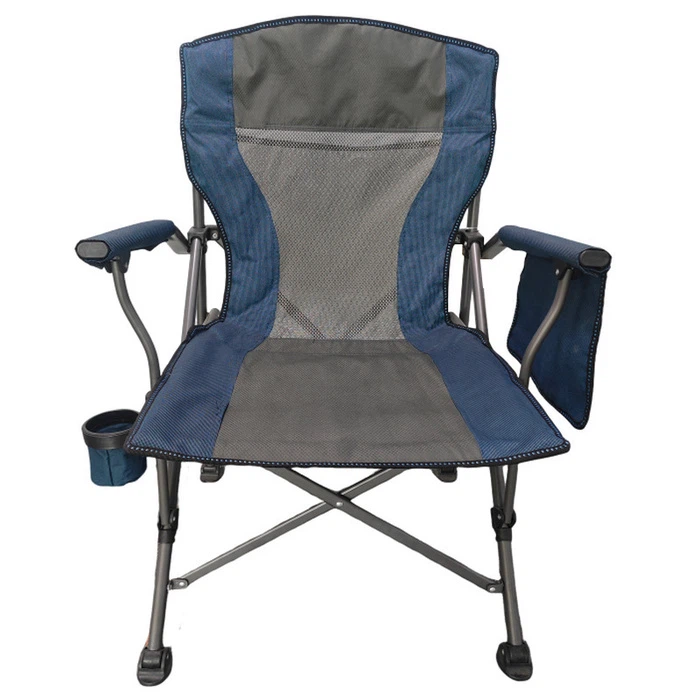
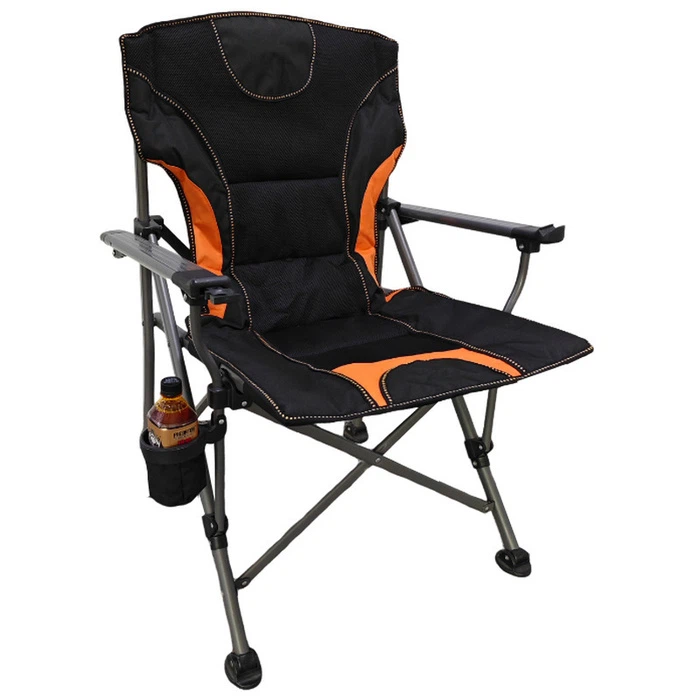
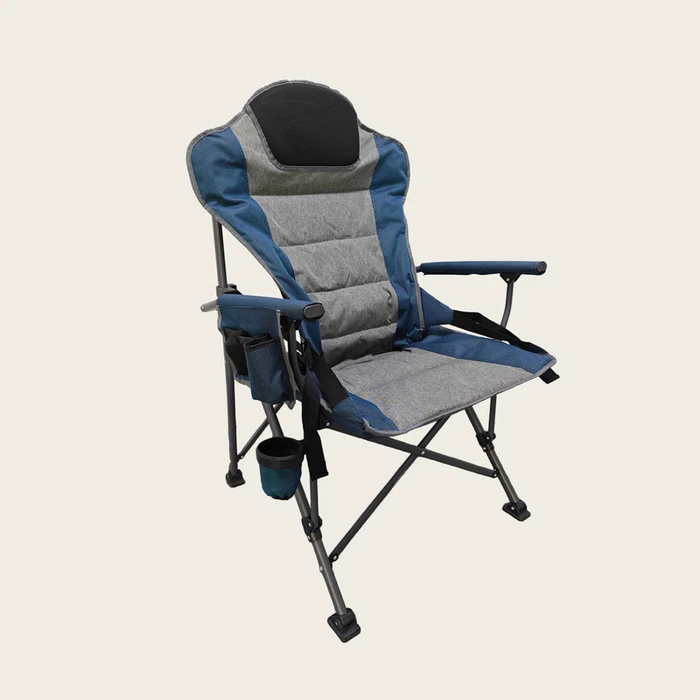
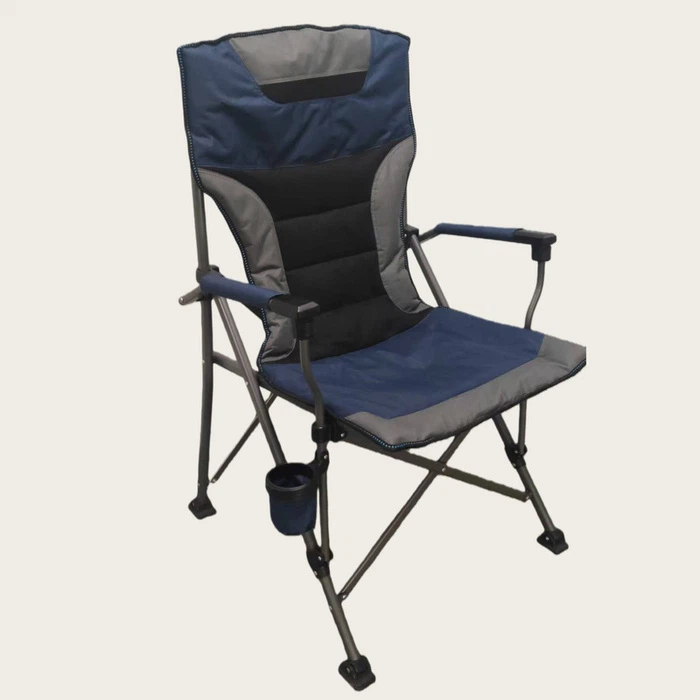
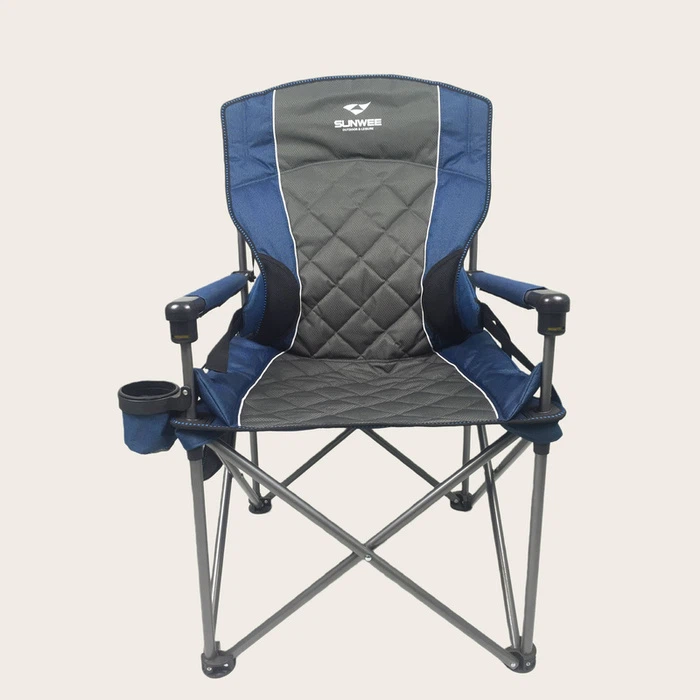
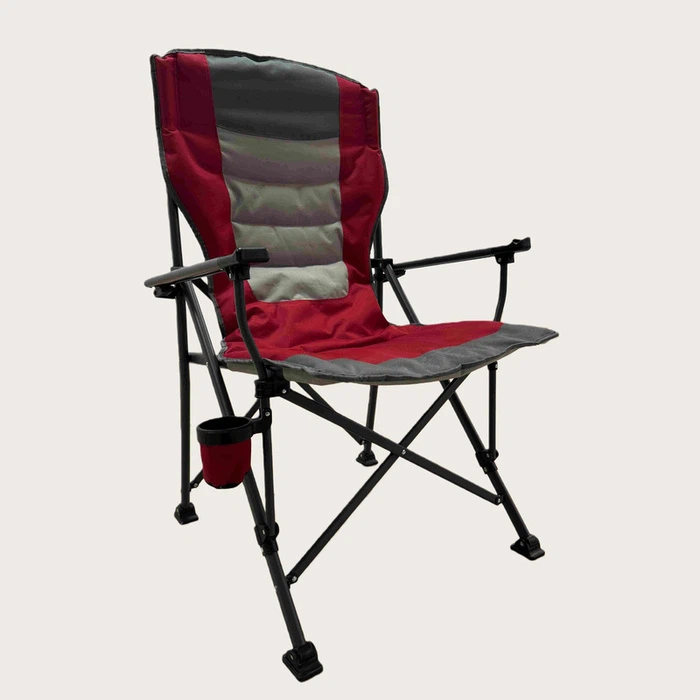
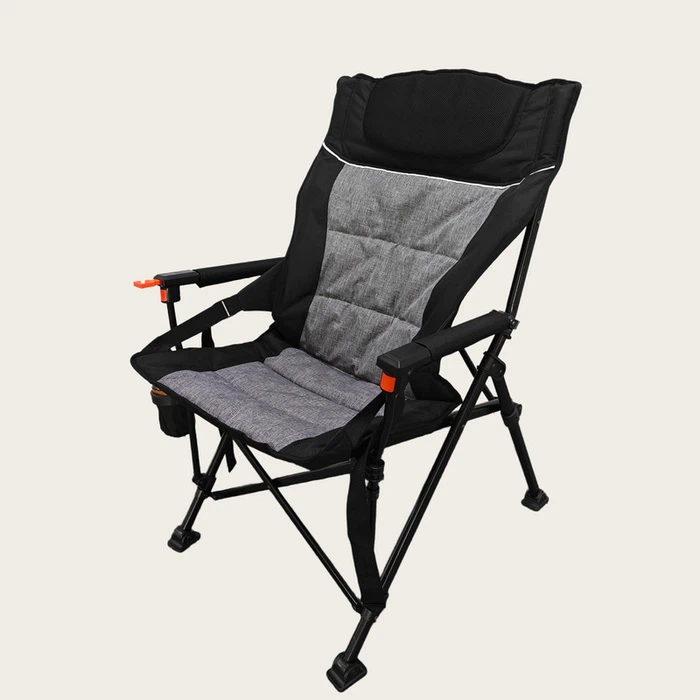
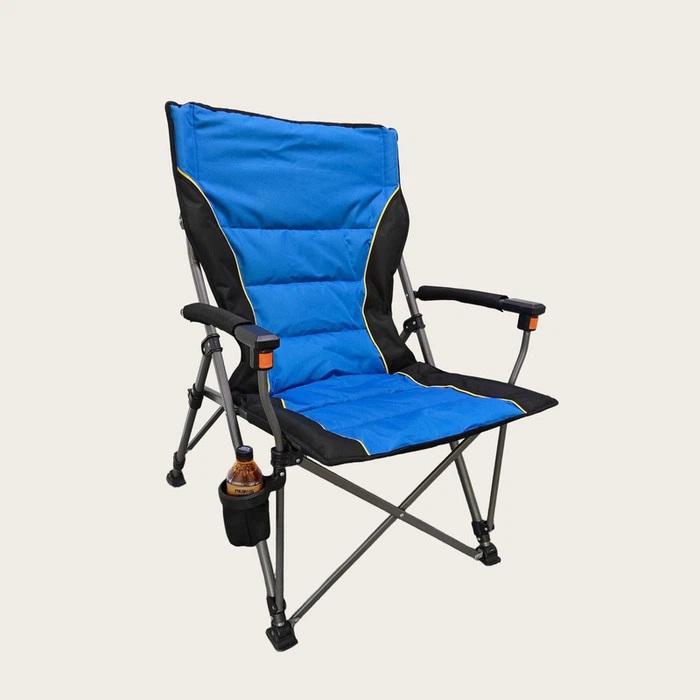
ODM (Original Design Manufacturing) means the brand selects from the factory's existing product platforms and requests modifications - color changes, fabric upgrades, logo placement, packaging redesign, or minor structural adjustments like armrest shape or foot pad size. Sunwee's R&D team handles the engineering modifications and provides production-ready drawings for brand approval.
| Parameter | OEM Production | ODM Production |
|---|---|---|
| Design Source | Brand provides complete tech pack | Factory provides base platform |
| Tooling Cost | Brand bears full tooling cost | Factory absorbs base tooling; brand pays for modifications |
| Development Lead Time | 30-45 days (new tooling) | 15-25 days (platform modification) |
| Product Differentiation | Full - unique to brand | Partial - shared platform with modifications |
| MOQ | 1,000 pcs per SKU | 500 pcs per SKU |
| Best For | Brands with in-house product teams |
Brands entering outdoor category |
What Brands Must Prepare Before Requesting a Quote
Brands that submit incomplete specifications receive incomplete quotes. The following materials are required for accurate pricing and lead time estimation:
Tech Pack or Reference Drawings - For OEM orders, this includes frame tube diameter and wall thickness specifications, fabric material and GSM rating, stitching pattern diagrams, folding mechanism description, target weight capacity, and folded/unfolded dimensions. For ODM orders, reference images of existing products with marked modification requirements are sufficient.
Reference Photos - Physical product samples or high-resolution photos from multiple angles (front, side, top, folded state) allow Sunwee's engineering team to identify manufacturing complexities that 2D drawings cannot capture - such as joint geometry, fabric tension requirements, or powder-coating color matching.
Target Price Range - Providing a target FOB price per unit enables Sunwee to recommend material substitutions that maintain performance while meeting cost parameters. For example, switching from 7075 aluminum alloy to Q195 steel tubing can reduce per-unit cost by 15-25% while maintaining equivalent weight capacity.
Target Market and Regulatory Requirements - Different markets require different material certifications. The European market requires REACH compliance for fabric chemicals. Australia requires UPF 50+ fabric testing per AS/NZS 4399:2017. The North American market may require CPAI-84 flammability certification. These requirements affect fabric sourcing costs and testing lead times.
Customization Depth: Logo, Color, Fabric, Packaging, and Manuals
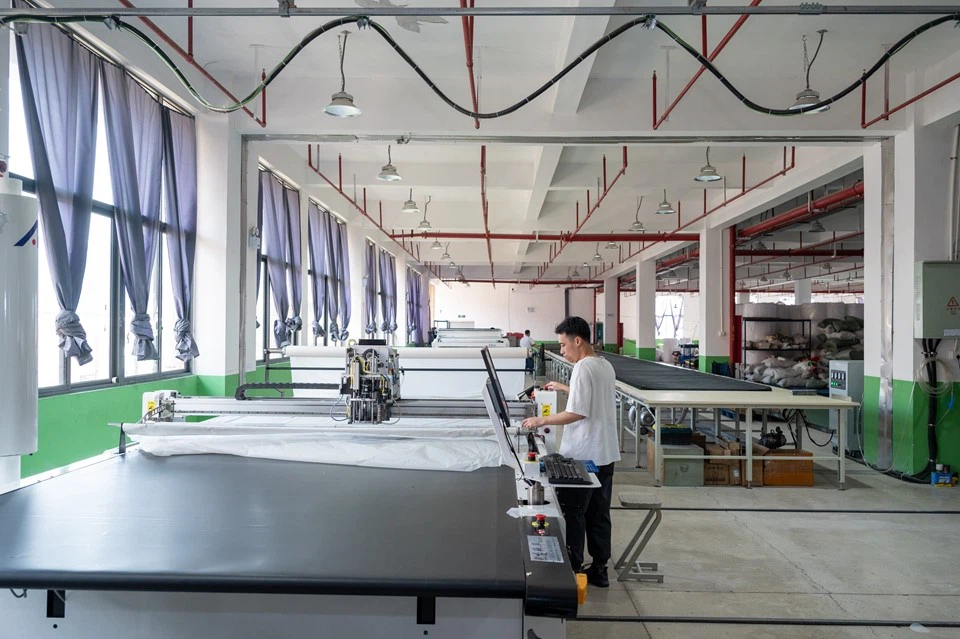
Sunwee's OEM/ODM services cover the following customization layers:
Logo Application - Screen printing, heat transfer, embroidery, or metal badge attachment on backrest panels, canopy fronts, or carry bags. Minimum order for custom logo application is 500 pcs per logo variant.
Color Customization - Powder-coating colors matched to RAL palette for steel frames. Fabric colors matched to Pantone system for 600D Oxford, polyester mesh, and carry bag materials. Color matching samples are provided before mass production for brand approval.
Fabric Upgrades - Standard 600D Oxford with PVC coating can be upgraded to 600D with PU coating (softer hand-feel, better UV resistance), 900D Oxford (higher tear strength for commercial rental applications), or polyester mesh with Oxford trim (enhanced ventilation for tropical markets).
Packaging Customization - Standard PE carry bag can be replaced with 210D Oxford carry bag with zip closure, custom-printed color carton, or heavy-duty mail-order box for e-commerce fulfillment. Packaging artwork is provided as dieline templates by Sunwee's design team.
Instruction Manuals - Custom instruction manuals with brand logo, multi-language translations, and product-specific assembly/folding diagrams. Manuals are printed on 157g coated paper and inserted into each unit's carry bag or packaging.
Sampling Process: From Prototype to Mass Production
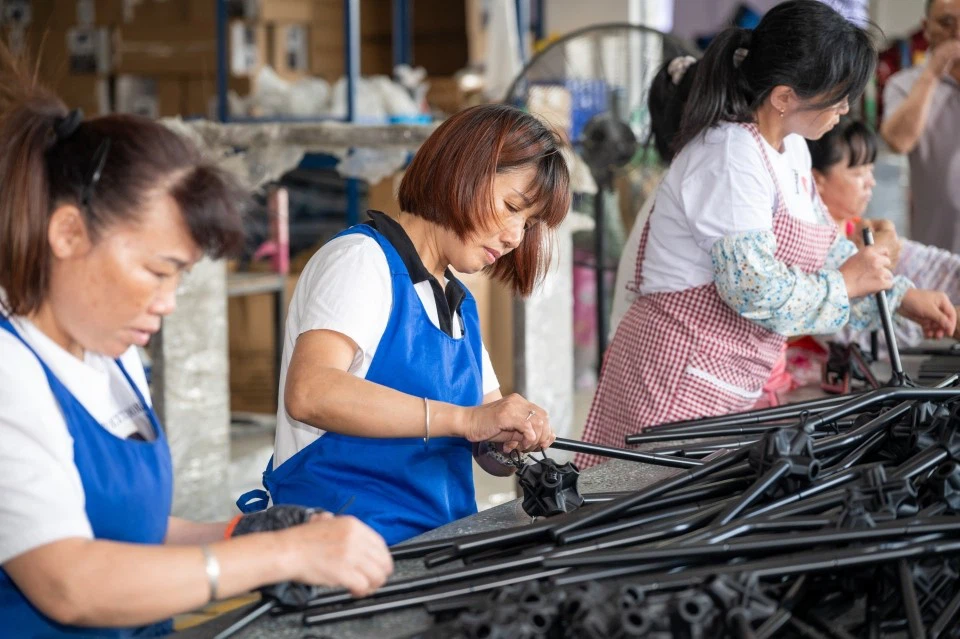
The sampling-to-production timeline follows a structured four-stage process:
Stage 1: Prototype Sampling (7-15 days) - Sunwee's production team builds 1-3 prototype units based on the approved tech pack or modified ODM platform. Prototypes are shipped via express courier (5-7 days transit) for brand evaluation of structural stability, fabric finish, folding mechanism function, and overall dimensional accuracy.
Stage 2: Design Confirmation (3-5 days) - The brand reviews prototypes and provides modification feedback. Common adjustments include frame tube thickness changes, fabric color corrections, armrest angle modifications, or carry bag design revisions. Sunwee builds revised prototypes if structural changes are required.
Stage 3: Pre-Production Sample (7 days) - After design confirmation, Sunwee builds a pre-production sample using mass-production materials and tooling. This sample validates that the production line can replicate the approved design at scale. Brand approval of the pre-production sample authorizes mass production commencement.
Stage 4: Mass Production (25-45 days) - Production scheduling begins upon pre-production sample approval and deposit receipt. Mass production includes incoming material inspection, in-process weld and joint checks, final load testing, and AQL-based random inspection before container loading. Production completion photos and inspection reports are provided before balance payment.
European and Australian Buyers: Testing Requirements to Prepare Early
European and Australian buyers face stricter material compliance requirements than other markets. The following tests should be identified during the quoting phase, not after production completion:
- REACH (EC 1907/2006) - Required for all textile and coating materials entering the European market. Testing covers 200+ restricted substances in fabric, PVC/PU coatings, and plastic components. Lead time: 15-20 working days. Cost: approximately €300-500 per material type.
- UPF 50+ (AS/NZS 4399:2017) - Required for fabric used in Australian outdoor products. Testing measures ultraviolet protection factor of fabric under standardized sun exposure conditions. Lead time: 10-15 working days. Cost: approximately AUD 200-350 per fabric type.
- Salt Spray Test (ASTM B117) - Recommended for powder-coated steel frames destined for coastal retail markets. Testing measures corrosion resistance after 96+ hours of continuous salt fog exposure. Conducted in-house at Sunwee's facility; results available within 5 working days at no additional cost.
- CPAI-84 Flammability - Required for products sold in certain North American retail channels. Testing covers fabric flammability resistance. Lead time: 15-20 working days. Cost: approximately USD 400-600 per fabric type.
Brands that identify testing requirements during the quoting phase can include testing costs in the unit price and schedule testing parallel to production, avoiding 2-4 week delays after production completion.
Why Platform Selection Matters for Private Label Buyers
Private label camping furniture buyers who lack in-house product development teams benefit from ODM platform selection. Sunwee's existing product platforms - spanning camping chairs, tables, cupboards, and cots - have already undergone structural validation, load testing, and production line optimization. Selecting an ODM platform reduces development risk and accelerates time-to-market.
Brands can explore Sunwee's complete product range through the OEM & ODM Service page, review the R & D team's development capabilities, and examine the Quality Control protocols that govern every production batch.
Frequently Asked Questions
Q: Can I request a prototype sample before committing to a 1,000-piece OEM order?
A: Yes. Sunwee builds 1-3 prototype units within 7-15 days based on your approved tech pack. Sample cost is approximately 2-3x the unit mass-production price due to non-optimized labor time. Sample fees are refunded when the bulk order reaches 500+ pcs.
Q: What happens if the pre-production sample does not match the approved prototype dimensions?
A: Sunwee's engineering team conducts a root-cause analysis comparing prototype tooling to mass-production tooling. Common discrepancies include powder-coating thickness variation (±0.05mm) and fabric shrinkage during cutting. Corrections are implemented before mass production authorization; the brand has the right to reject and request a second pre-production sample.