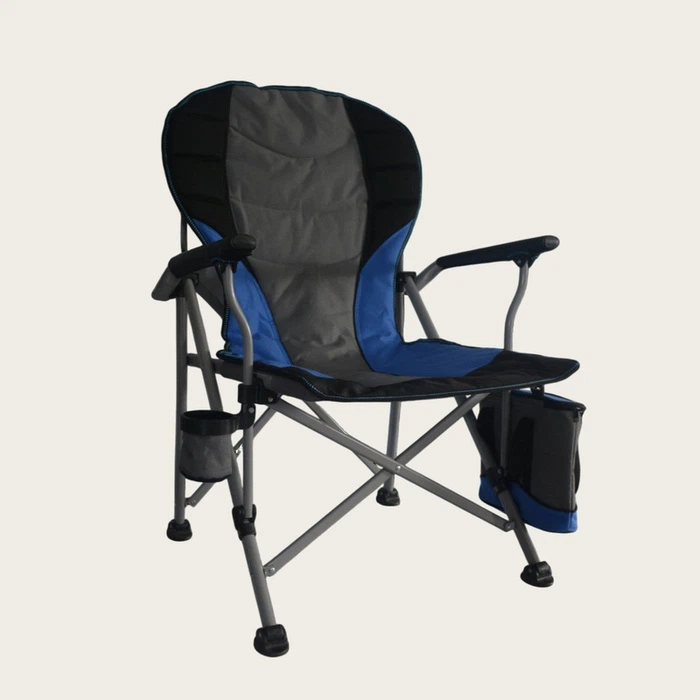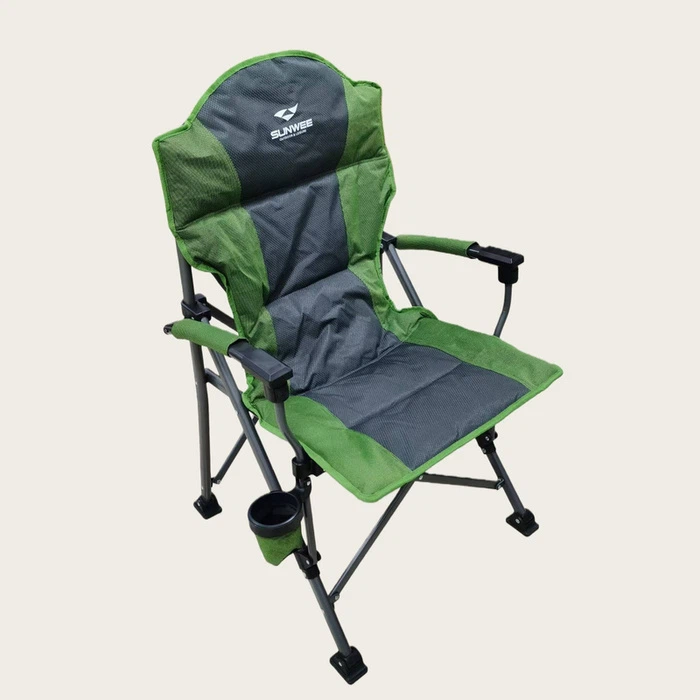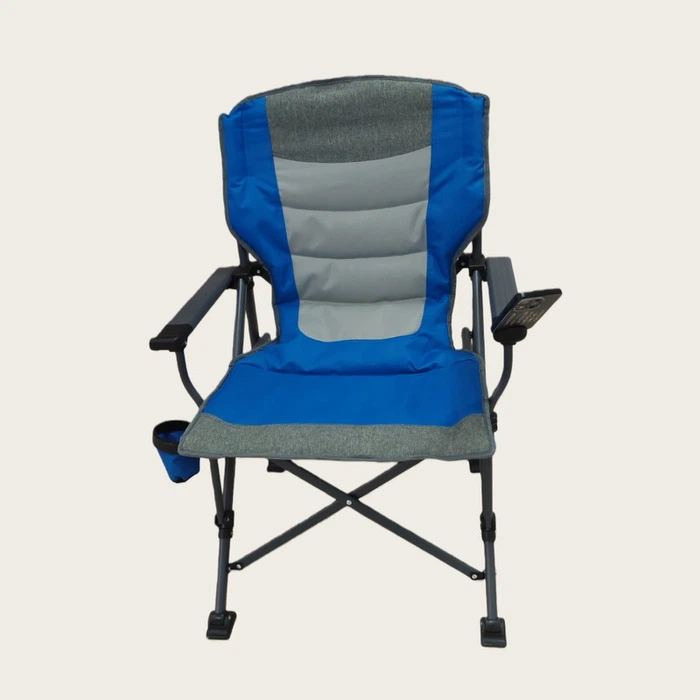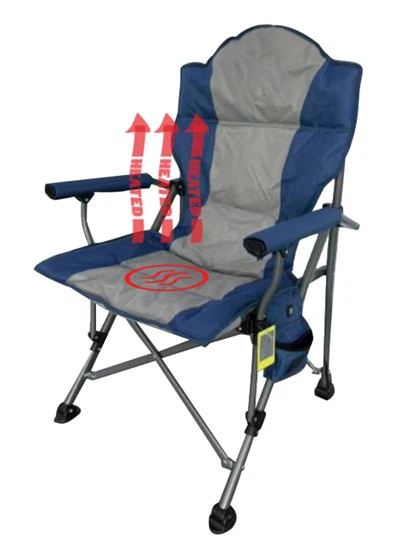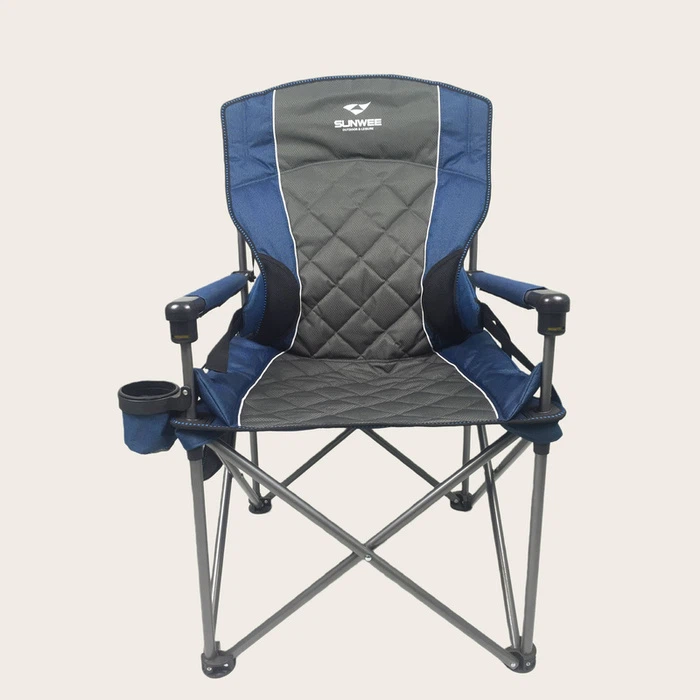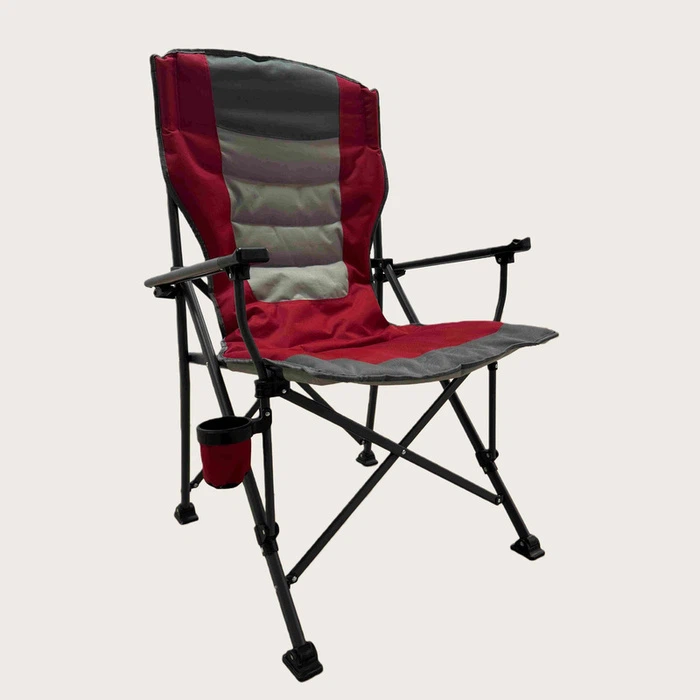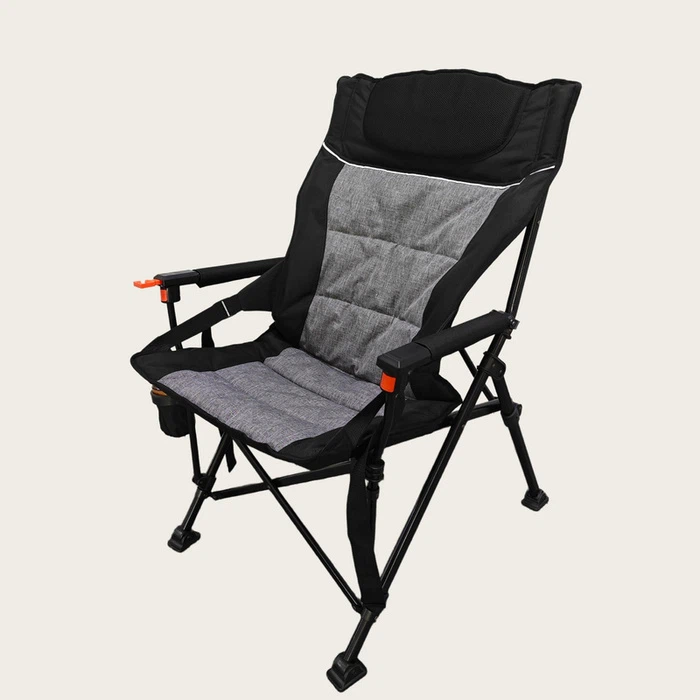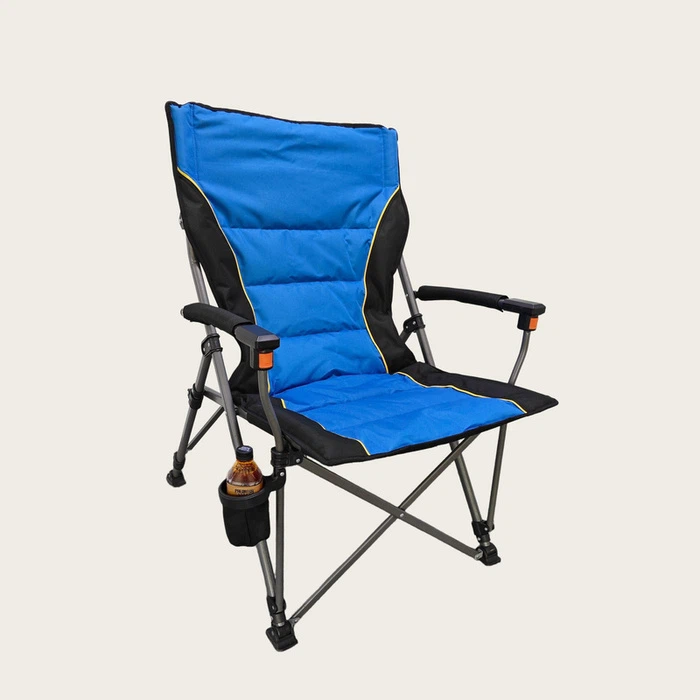
Why Brand Owners Should Not Develop a Single Chair Model

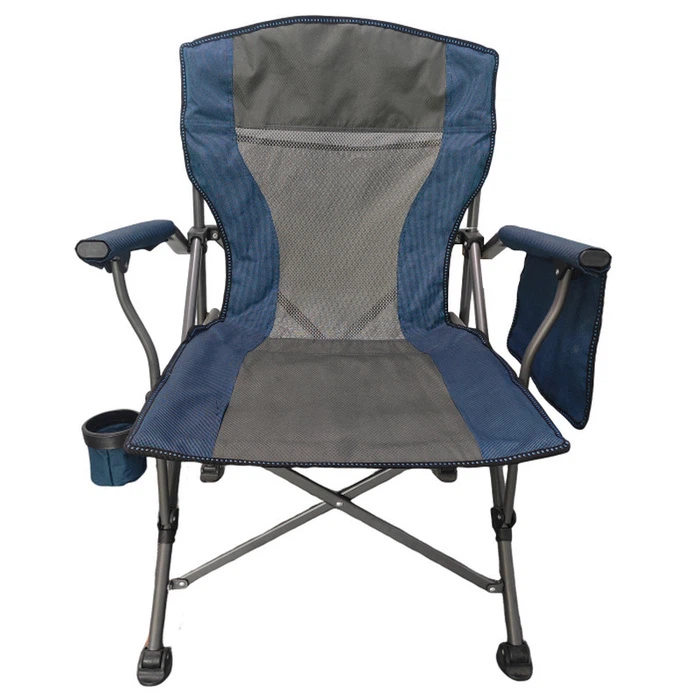
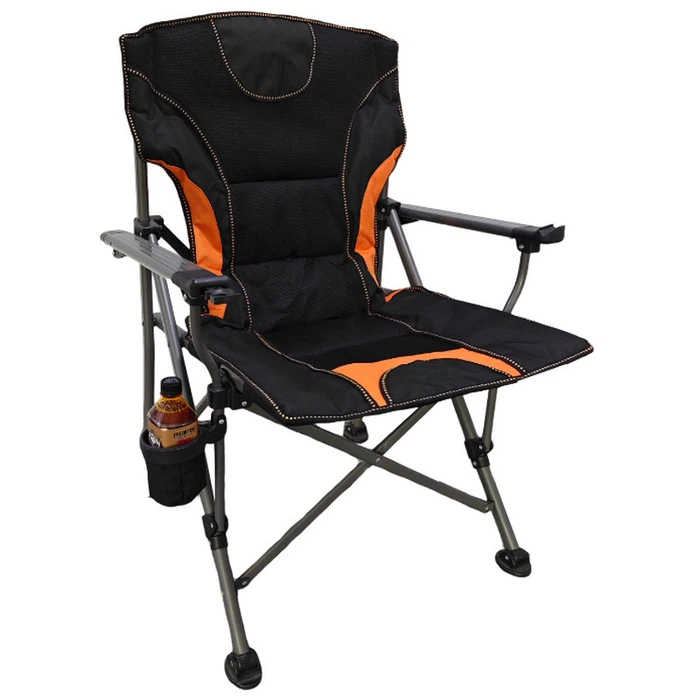
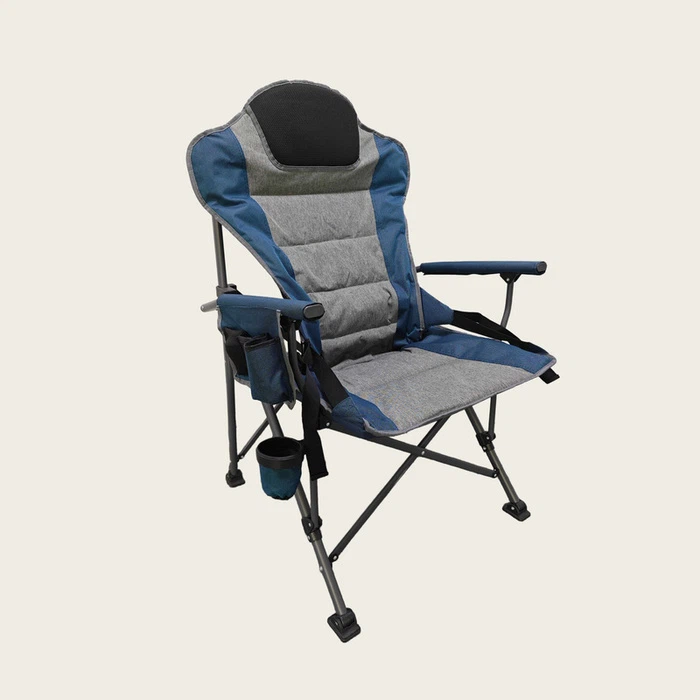
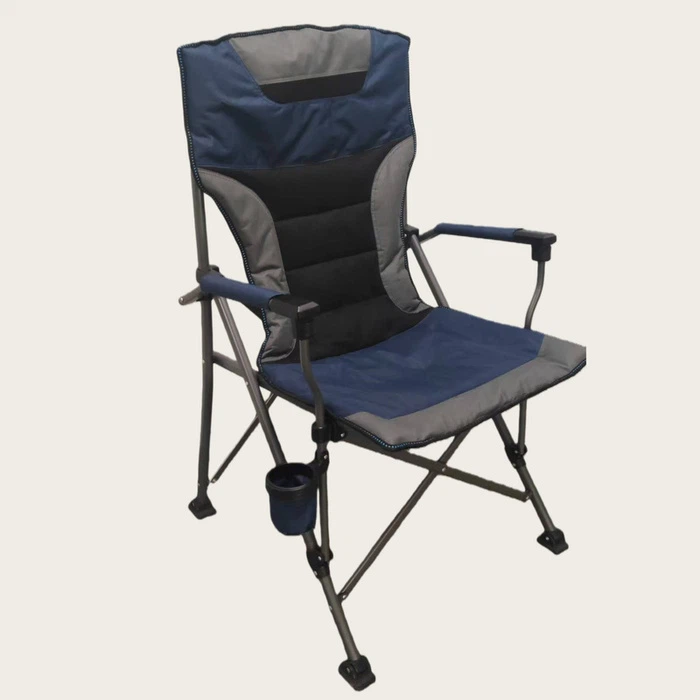
Working with a private label camping chair manufacturer on a single SKU is a common entry point-but it is rarely the right long-term strategy. Retail buyers who stock only one folding chair miss out on three measurable advantages: cross-selling margin, channel differentiation, and risk distribution across price tiers.
Sunwee has operated as a custom camping chair factory since 1997, producing camping chairs, cots, tables, and cupboards from our Fujian facility with ISO 9001, BSCI, TUV, and SGS certifications. Over 27 years of production data shows one consistent pattern: brands that launch with a 3–5 SKU chair collection see 2.4× higher reorder rates within 18 months compared to single-SKU launches.
The reason is straightforward. A retailer selling only a $29.99 MSRP chair competes on price alone. A retailer selling a $19.99 entry chair, a $39.99 mid-range model, and a $69.99 premium heavy-duty chair controls the entire category conversation on the shelf.
How to Build a Good / Better / Best Product Matrix
A structured tier system is the most efficient framework an OEM folding chair supplier can execute. Here is how we break it down at the factory level:
| Tier | Frame Material | Fabric | Weight Capacity | Packing Weight | FOB Range (USD) |
|---|---|---|---|---|---|
| Good (Entry) | 6061 Aluminum or 0.6mm Steel | 600D Oxford, PU coating 1500mm | 100 kg / 220 lbs | 2.1 kg | $8.50 – $11.00 |
| Better (Mid) | 0.8mm Powder-coated Steel | 600D + 300D Polyester blend, water-repellent | 120 kg / 265 lbs | 2.8 kg | $12.00 – $16.50 |
| Best (Premium) | 7075 Aluminum alloy, 1.0mm tubing | 900D Oxford, double-stitched seams, TPU lamination | 150 kg / 330 lbs | 3.4 kg | $18.00 – $24.00 |
Key engineering decisions at each tier:
Good tier - Focus on packability. Use a simpler cross-leg folding mechanism with a single-point lock. Target CBM below 0.045 per unit for maximum 40HQ container loading (approximately 1,800–2,100 units per container depending on design).
Better tier - Add ergonomic features: adjustable armrests, a reinforced seat pan, and a carry bag with shoulder strap. The 0.8mm powder-coated rust-resistant finish on steel tubing pushes salt-spray test results past 48 hours without visible corrosion.
Best tier - This is where engineering investment matters most. Use 7075 aluminum alloy frame components at stress points, double-stitched load-bearing seams, and a 4-point locking system. Weight capacity testing should exceed the stated rating by a 2.5× safety factor-so a 150 kg rated chair must survive a 375 kg static load test without frame deformation.
Learn more about our OEM & ODM Service capabilities for full-range development.
Color Systems, Packaging Systems, and Logo Placement Consistency
Once your tier structure is set, the next step is visual coherence across the collection. This is where most private label projects fail-they order each SKU as an independent item with no unified design language.
Color System
Select a master palette of 3–4 core frame colors (matte black, sand grey, forest green, navy) that apply across all three tiers. Then choose 2–4 fabric colors that complement the frame palette. A disciplined color system means:
- Frame color matches across Good / Better / Best = shelf coherence
- Fabric colors rotate seasonally without tooling changes (fabric dyeing cycle is 15–20 days vs. 45+ days for frame powder-coating)

Packaging System
Unify carton dimensions where possible. If the Good and Better tiers share a similar folding geometry, they can use identical master cartons-only the product label changes. This reduces carton tooling cost by approximately 30% and simplifies warehouse pallet patterns for the buyer.
For the Best tier, the larger packed size may require a separate carton. Standardize the carton graphics layout (logo position, barcode placement, multilingual spec panel) so all three tiers look like they belong to one family.
Logo Placement
Define a logo application standard before sampling begins:
| Logo Method | Best For | Durability | Unit Cost Impact |
|---|---|---|---|
| Screen print (fabric) | Large area brand logos | 50+ wash cycles | +$0.15 – $0.30 |
| Woven label (sewn into seat edge) | Premium tier, subtle branding | Lifetime | +$0.05 – $0.10 |
| Debossed rubber patch (backrest) | Mid-to-premium, tactile feel | Lifetime | +$0.25 – $0.50 |
| Laser engrave (aluminum armrest) | Best tier only | Permanent | +$0.40 – $0.70 |
A practical approach: screen print on Good, woven label on Better, debossed patch or laser engrave on Best. This creates a visible quality ladder without confusing the buyer.
Browse our current Camping Chairs range for reference designs that can be adapted to your brand.
Channel-Specific SKU Strategies by Market
Different distribution channels demand different configurations. An OEM folding chair supplier that understands this can save you from costly channel conflicts.
Big-Box Retail (Walmart, Target, Home Depot)
- Priority: Lowest landed cost, maximum pack quantity per 40HQ
- Recommended tier: Good or Better
- Key spec drivers: CBM optimization, simple packaging (no carry bag to save cost), EN581 test compliance for European versions
- Typical order volume: 3,000–10,000 units per SKU per season
Specialty Outdoor Retailers (REI, Decathlon, Canadian Tire)
- Priority: Quality differentiation, sustainability credentials
- Recommended tier: Better or Best
- Key spec drivers: Higher fabric denier, aluminum frames, BSCI audited facility compliance documentation, recycled fabric options
- Typical order volume: 500–2,000 units per SKU per season
E-Commerce / DTC (Amazon, Shopify stores)
- Priority: Small parcel-friendly packaging, high perceived value
- Recommended tier: Better and Best
- Key spec drivers: Compact packed size (fits under 60 cm parcel threshold for some carriers), attractive carry bag, high-quality product photography assets from the factory
- Typical order volume: 200–1,000 units per SKU per restock cycle
Regional Distributors (Europe, Australia, Japan)
- Priority: Market-specific certifications, localized packaging
- Recommended tier: All three tiers (full matrix)
- Key spec drivers: REACH compliance (EU), AS/NZS standards (Australia), Japanese import labeling requirements
- Typical order volume: 1,000–5,000 units across multiple SKUs
Check our Best Sellers for proven models that have been successfully adapted across multiple channels.
How to Control MOQ, Sampling Costs, and Development Lead Time
This is the section most procurement directors care about. Let me give you the factory-level numbers.
MOQ Realities
| Tier | Standard MOQ (per SKU/color) | Mixed-Color MOQ | Notes |
|---|---|---|---|
| Good | 1,000 units | 500 units | Uses existing tooling, fastest turnaround |
| Better | 800 units | 400 units | May require fabric dye lot minimum |
| Best | 500 units | 300 units | Aluminum components have higher MOQ constraints |
If you are launching a 3-tier collection with 3 colors each, the total initial order lands between 4,500 and 9,000 units depending on tier selection. A China camping chair manufacturer with in-house fabric sourcing can reduce MOQs by 20–30% compared to factories that outsource material procurement.
Sampling Timeline
| Phase | Duration | Cost Range |
|---|---|---|
| Initial concept sample (existing frame) | 7–10 working days | $80 – $150 per sample |
| Modified frame / custom mechanism | 15–25 working days | $200 – $500 per sample |
| Full OEM sample (new tooling) | 35–50 working days | $800 – $2,500 (mold amortized into bulk order) |
Samples are always refundable against the first bulk order-a standard practice at any established custom camping chair factory.
Full Development Lead Time
From approved sample to container loading: 45–60 days for standard orders. Peak season (March–June) adds 10–15 days due to raw material queue.
Our R & D team handles structural engineering, fabric testing, and packaging optimization in-house, which means fewer iterations between sample rounds.
Frequently Asked Questions
Q: What is the minimum order quantity for a custom color camping chair?
A: For standard models using existing frames, we can produce 500 units per color across Good and Better tiers. Best tier aluminum models require 300 units minimum. Fabric dye lots may add a 200-unit surcharge for custom Pantone matches outside our standard palette.
Q: Can you match our existing camping chair design from another supplier?
A: Yes. Send us a physical sample or detailed tech pack with dimensions, material specs, and packaging requirements. Our engineering team produces a concept sample within 15–25 working days. Exact replication is not always possible due to different tooling, but we match function, weight capacity, and visual appearance within acceptable tolerance ranges.
Q: What testing certifications do your camping chairs come with?
A: All models pass EN581 (European outdoor furniture standard) testing for stability and durability. Our facility holds ISO 9001 quality management, BSCI social compliance, TUV product safety, and SGS material testing certifications. Test reports are included with every bulk shipment and available for buyer audit before production begins.